
AfD data breach exposes hosting provider weaknesses in email security
In short
The September 2026 hack of an AfD-linked hosting provider led to the exposure of hundreds of thousands of emails through an unpatched WordPress vulnerability.
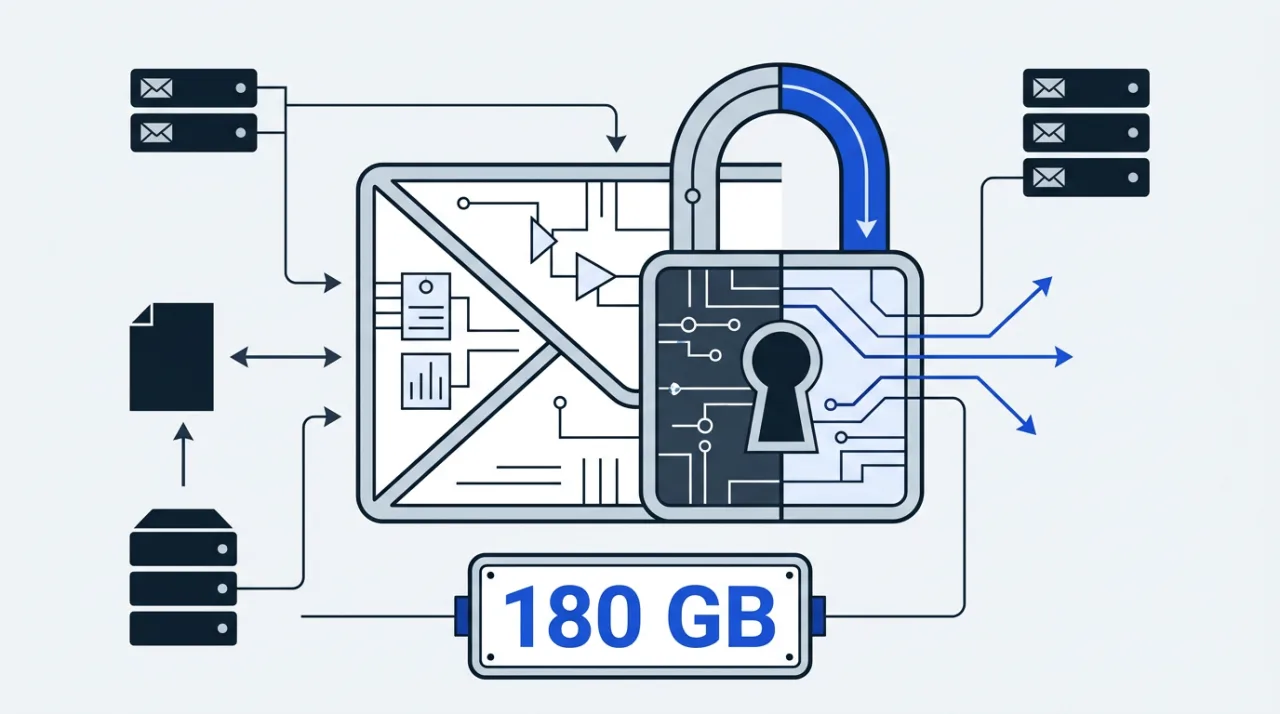
The September 2026 compromise of a hosting provider serving Germany’s Alternative for Germany party resulted in unauthorized access to email mailboxes containing roughly 421,000 messages. Attackers gained entry through an outdated WordPress installation and later published an index of the material online. The incident highlights concrete risks that arise when hosting environments lack timely updates.
AfD data breach timeline and technical details
Initial access occurred via the site wahlkampf.afd.de, where an unpatched WordPress plugin allowed privilege escalation to the mail servers. The breach was first detected around September 9 after approximately 180 GB had already been copied. A second exfiltration phase ended around September 14 once the party isolated the affected systems.
The stolen archive covers messages from roughly 2013 through mid-September 2026 and includes attachments in multiple formats. Reports indicate the attackers accessed between 10 and 24 mailboxes, some belonging to senior figures and internal bodies. The party stated that many of the accounts were legacy mailboxes no longer in active federal use.
After the data appeared on a searchable index site hosted in Wyoming, journalists verified portions through DKIM signatures and cross-checks with known correspondence. The AfD notified the Berlin data protection authority on October 20 and confirmed the incident publicly the same day.
Security lessons from the hosting provider incident
The root cause traces to routine maintenance failures rather than sophisticated zero-day exploits. An outdated content-management system served as the entry point, a pattern observed in many prior incidents involving shared hosting platforms. Organizations that rely on third-party providers for mail and web services must verify patch cadence and isolation between customer environments.
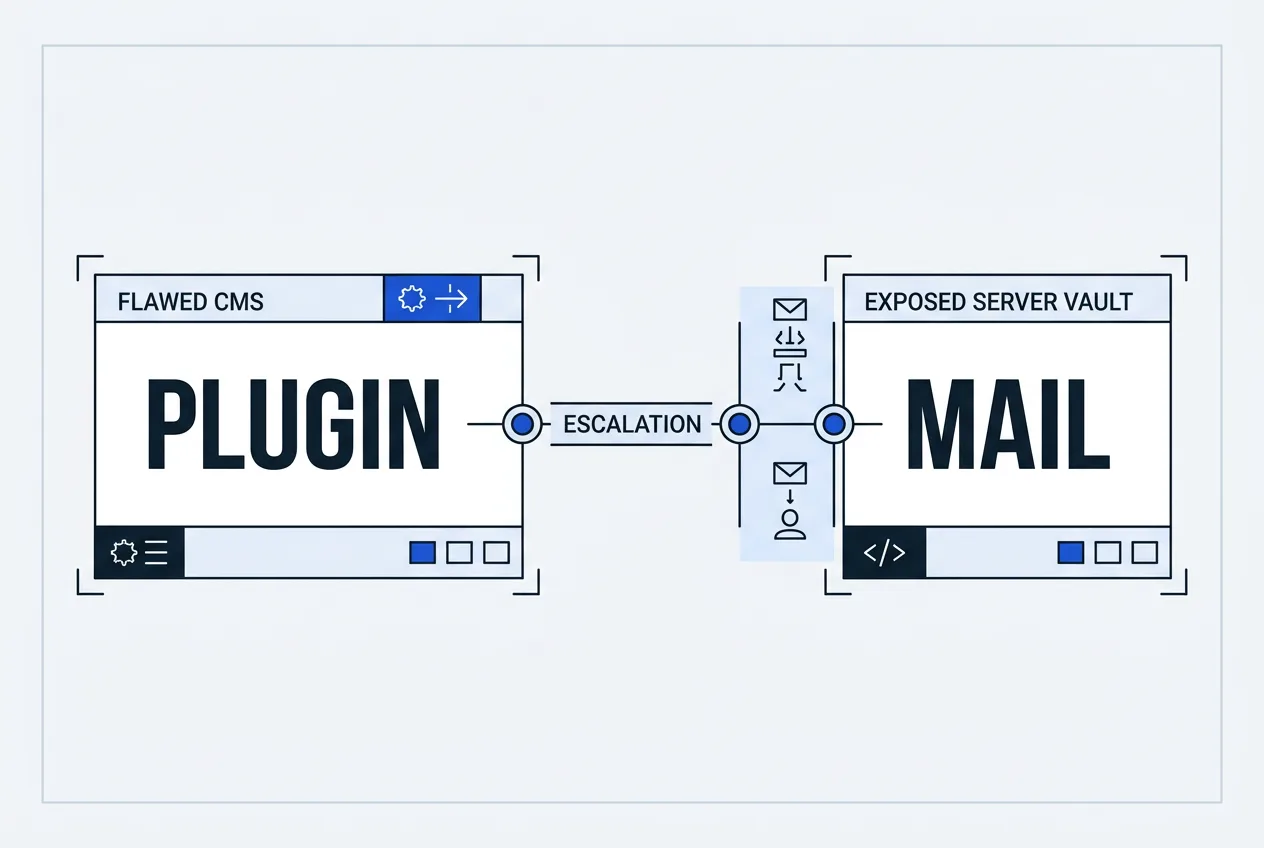
Key operational gaps included delayed detection of the initial intrusion and the continued availability of large volumes of historical email. The attackers distributed the material via BitTorrent rather than a single download link, which complicates efforts to remove copies once published. Media verification confirmed that some circulated screenshots of extreme statements were not present in the verified archive.
Practical steps for similar setups include enforcing automatic updates on all public-facing applications, segmenting mail servers from web hosting instances, and maintaining offline backups with tested restoration procedures. Regular external audits of plugin inventories and access logs can reduce the window between compromise and discovery.
Implications for users of comparable hosting services
Any organization storing sensitive correspondence on shared or managed hosting should review its provider’s incident-response commitments and data-retention policies. The AfD case shows that even when federal-level accounts remain untouched, older branch or subsidiary mailboxes can still hold substantial historical records. Legal proceedings and regulatory review are ongoing, with the federal information-security office in contact with the party.
Readers evaluating hosting providers can request evidence of regular penetration testing, clear timelines for security patching, and contractual language on breach notification. The absence of such documentation increases exposure to the same sequence of events that unfolded here.
Frequently asked questions
How did attackers access the AfD mailboxes?
They exploited an unpatched WordPress instance on a campaign subdomain, escalated privileges, and reached the mail servers. The compromise occurred in early September 2026 before the party isolated the systems.
Were all AfD federal accounts affected?
The party reported that current federal association mailboxes remained unaffected and that most compromised accounts were legacy or branch-level mailboxes. Some senior figures’ older addresses appeared in the archive.
What should hosting customers check after this incident?
Verify that all public-facing applications receive automatic updates, that mail and web services are isolated, and that breach-notification clauses in contracts specify short response windows. Request recent penetration-test summaries from the provider.
Has the full dataset been authenticated?
Media outlets confirmed portions through DKIM signatures and metadata matches, yet no independent verification of the entire 300 GB archive has been completed. Some circulated screenshots of extreme statements are confirmed forgeries.
TrustScope
Comments 1