
Bitget Security Review After $387 Million Breach: Reliability and User Protections
In short
Bitget absorbed a $387.5 million loss from its User Protection Fund after a September 2026 breach that spared cold wallets and customer balances.
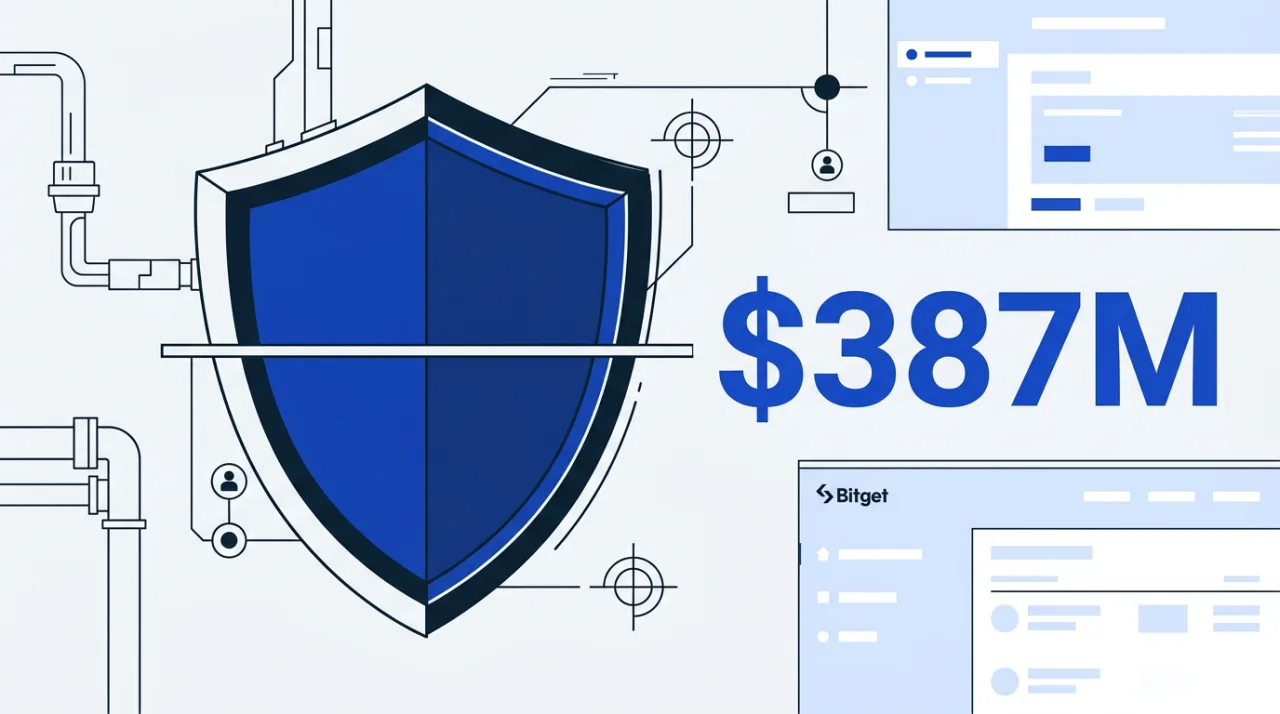
Bitget security review shows the Seychelles-based exchange contained the September 24, 2026 incident without direct losses to user deposits. Attackers drained $387.5 million from hot and warm wallets across 11–13 blockchains using forged withdrawal commands after exploiting a third-party zero-day vulnerability. Private keys remained untouched and cold storage held the majority of assets offline.
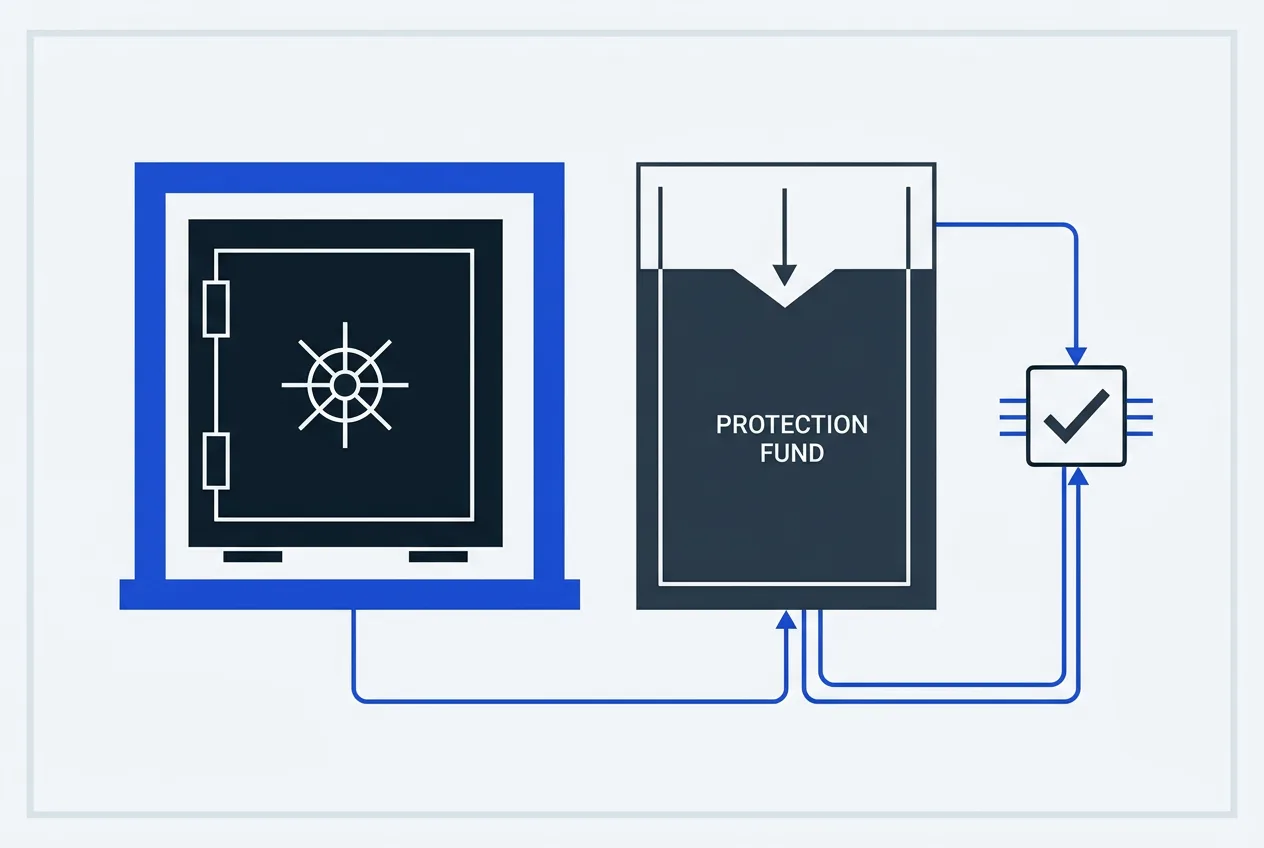
Withdrawals paused immediately after detection at 18:31 UTC. Phased reopening began September 28 with BTC and ended October 2 for remaining assets and P2P. Proof-of-Reserves data published September 29 confirmed a 131 percent coverage ratio. The User Protection Fund covered the shortfall, dropping temporarily before replenishment above $300 million by September 30 through company reserves.
Attack Details and Containment Measures
Investigations by Mandiant and SlowMist traced initial access to August 31, 2026. Attackers obtained internal credentials and issued spoofed commands that bypassed existing risk controls. No evidence of insider involvement or private-key compromise surfaced in public reports. Chainalysis and Elliptic linked the withdrawal patterns to groups previously associated with North Korean operations.
Bitget disabled the compromised third-party component and reset affected credentials. Additional independent verification steps now govern large withdrawals. The separate Bitget Wallet product, which operates on self-custodial architecture, recorded no impact. Circle and Tether froze roughly $1.1 million, representing less than 0.3 percent of the total loss. Company leadership stated further recovery expectations remain low based on prior exchange incidents.
Global regulatory status shows ongoing limitations. Bitget holds no MiCA authorization as of mid-October 2026, with an application pending before Austria’s FMA. Services have been restricted or exited in France, Germany, and Japan. Post-incident, the platform discontinued service for selected accounts while providing withdrawal assistance.
User Protections and Ongoing Risks
Customer balances stayed fully intact because losses fell on the User Protection Fund rather than pooled reserves. On-chain verification of the fund’s replenishment provides public transparency. Trustpilot and forum discussions continue to list support delays and P2P disputes, with some additional temporary access complaints after the breach. No verified reports indicate users lost funds directly from the incident.
Practical steps for users include enabling all available account protections, confirming withdrawal addresses through official channels, and monitoring the exchange’s published proof-of-reserves updates. Phishing attempts targeting Bitget users increased after the event, consistent with patterns observed at other exchanges following major incidents.
| Metric | Pre-Breach | Post-Breach (Sept 30) |
|---|---|---|
| User Protection Fund | >$464 million | >$300 million |
| Proof-of-Reserves Ratio | Not publicly stated | 131% |
| Withdrawn Assets | — | $387.5 million |
| Cold Wallet Impact | None | None |
Platform operations resumed with restored withdrawals. Users should verify all communications originate from official Bitget domains and avoid third-party links. Ongoing fund tracing and law enforcement coordination continue, though no full public post-mortem naming the affected vendor has been released.
Frequently asked questions
Did Bitget users lose funds in the 2026 breach?
No verified reports show direct customer fund losses. The exchange covered the $387.5 million shortfall through its User Protection Fund, leaving account balances unchanged.
What caused the Bitget security incident?
Attackers exploited a zero-day flaw in third-party security software to obtain credentials and issue forged withdrawal commands. Cold wallets and private keys were not accessed.
Is Bitget operating normally after the breach?
Withdrawals reopened in phases by October 2, 2026. The platform continues to process trades while implementing additional verification controls and fund tracing.
How does Bitget’s regulatory status affect users?
Bitget lacks MiCA authorization and has restricted services in several jurisdictions. Users outside supported regions may face account limitations or service discontinuation notices.
TrustScope
Comments 4