
Burger King Japan Data Breach Exposes 11 Million Customer Records
In short
Unauthorized access to Burger King Japan’s app server exposed 11.18 million member records in October 2026. The incident highlights ongoing security challenges for Japanese service operators.
The Burger King Japan data breach occurred when unauthorized parties accessed the server handling the company’s official smartphone app member database between October 2 and 7, 2026. Approximately 11.18 million records containing personal details were exposed. The operator confirmed the intrusion internally on October 13 and notified the public on October 15.
Timeline and Scope of the Burger King Japan Data Breach
BK Japan, the operator of roughly 350 Burger King locations across the country, detected the intrusion after routine monitoring flagged unusual activity. The company immediately blocked the source IP addresses and established an incident response headquarters. It also filed reports with Japan’s Personal Information Protection Commission and engaged external cybersecurity specialists to determine the entry point and scope of access.
This event fits within a broader pattern of data incidents affecting Japanese firms in 2026, including breaches at car-sharing, rail, and automotive companies. The affected system managed customer accounts for the Burger King mobile app, which supports ordering, loyalty tracking, and promotions. No evidence of password or payment-card storage on the compromised server has emerged, limiting some potential downstream risks.
Investigation continues into the precise attack vector. Temporary security controls remain in place while permanent monitoring upgrades are developed. As of the October 15 announcement, no confirmed cases of secondary misuse or identity fraud tied to the exposed records had been reported.
Exposed Information and Security Implications
Each record contained ten data fields. The following table summarizes the exposed elements:
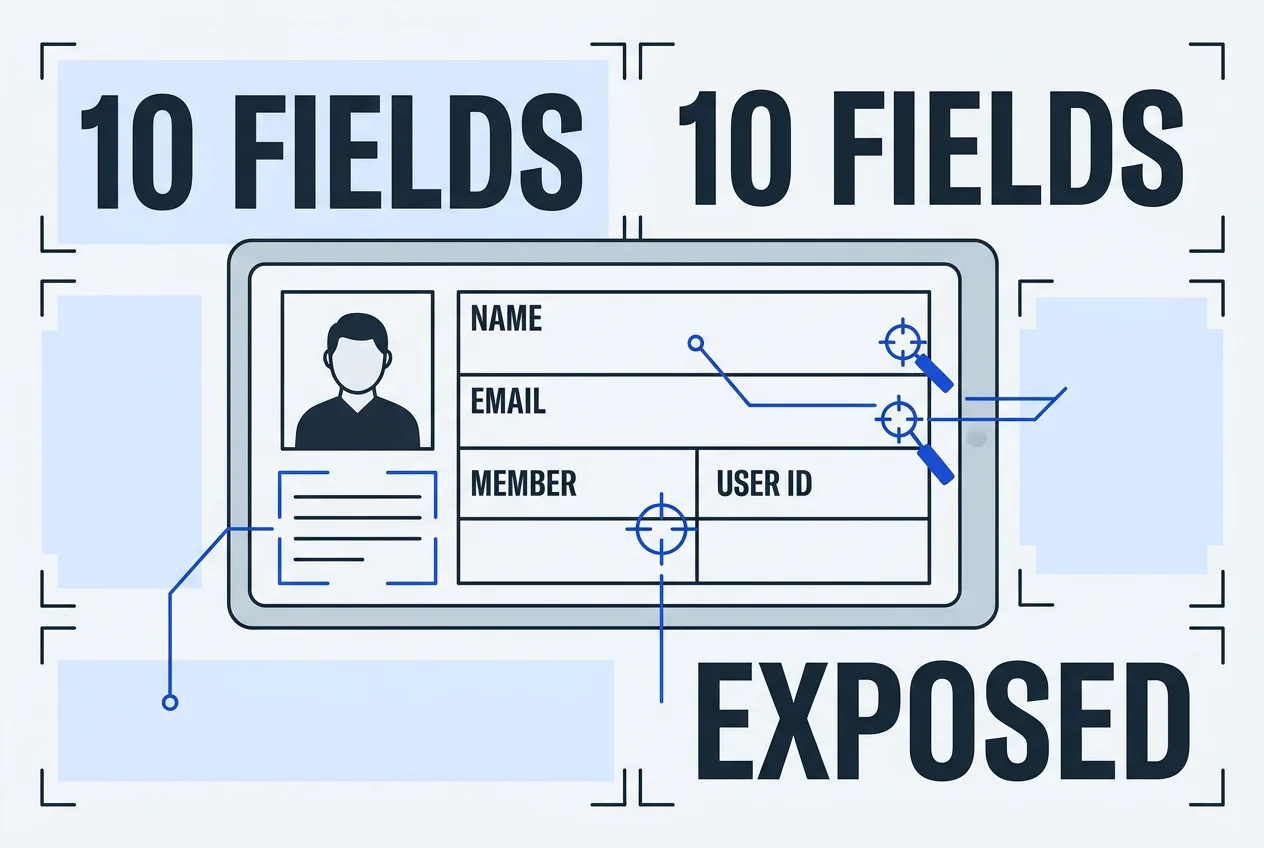
| Field | Description |
|---|---|
| Member ID | Unique account identifier |
| Name | Kanji and kana representations |
| Email address | Including verification status |
| Phone number | Registered mobile or landline |
| Date of birth | Full date |
| Gender | Self-reported category |
| Prefecture | Residence location in Japan |
| Registration type | Account creation method |
| Mobile order history flag | Indicator of prior app usage |
Credit-card numbers were never stored on the system, and no password leak has been confirmed. The combination of name, email, phone, and birth date still creates usable material for phishing campaigns or account takeover attempts at other services.
Users should treat any unexpected email, SMS, or phone call claiming to come from Burger King with caution. The company has advised recipients not to click links, open attachments, or supply login credentials. Continued monitoring of personal accounts for unusual activity remains advisable until the investigation concludes.
Company Response and User Protections
BK Japan sent direct email notifications to affected members and published an official notice detailing the incident. It has committed to reinforcing server access controls, expanding logging, and conducting regular third-party audits. The Personal Information Protection Commission continues to receive updates on remedial actions.
Customers can reduce exposure by enabling two-factor authentication on any linked accounts and reviewing privacy settings on the Burger King app. Regular checks of credit reports and bank statements provide an additional layer of oversight even though payment data stayed protected. No specific timeline for full remediation has been released.
Frequently asked questions
What data was exposed in the Burger King Japan data breach?
The breach exposed member ID, name, email, phone number, date of birth, gender, prefecture, registration type, and a mobile order history flag for 11.18 million accounts. Credit card details and passwords were not stored on the affected server.
When did the Burger King Japan data breach occur?
Unauthorized access took place from October 2 to 7, 2026. The company confirmed the incident internally on October 13 and announced it publicly on October 15.
Has Burger King Japan confirmed any misuse of the exposed records?
As of the October 15 announcement, no secondary damage or fraudulent use of the records had been identified. The company continues monitoring with external specialists.
What should customers do after the Burger King Japan data breach?
Users should ignore suspicious messages claiming to be from Burger King and avoid clicking links or sharing credentials. Enabling two-factor authentication and watching account activity at other services are recommended steps.
TrustScope
Comments 4