
CoinDCX review: Wallet Incident Raises Questions on Deprecated Address Management
In short
This CoinDCX review details the October 2026 movement of nearly $16 million in USDT from deprecated addresses and assesses ongoing security practices.
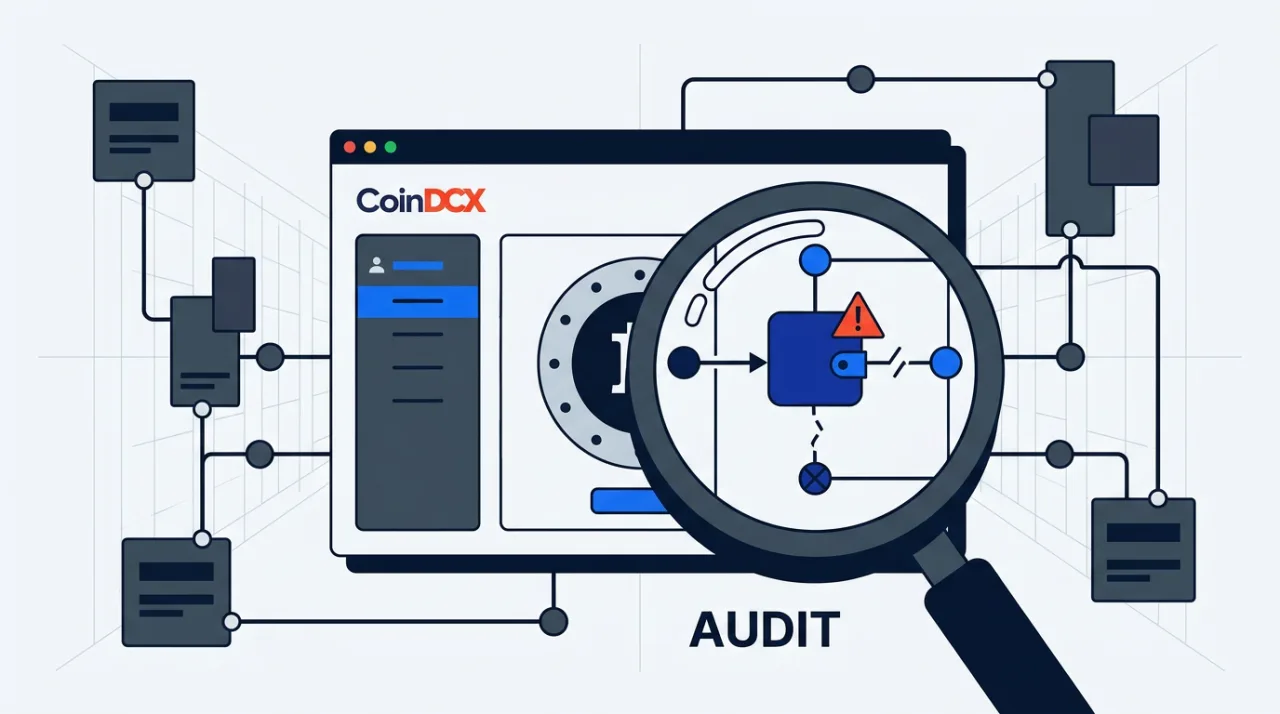
CoinDCX users faced renewed scrutiny after approximately $15.99 million in USDT moved from older TRON deposit addresses between October 21 and 23, 2026. Blockchain data showed funds consolidated and routed to exchanges including OKX, Binance, and Gate.io. The exchange described the transfers as part of an internal sweeping process that had previously failed.
CoinDCX Wallet Incident Timeline and Fund Flows
Addresses involved in the October movements were generated around January 2025 and appeared in a July 2025 compromise that resulted in a $44 million loss from internal liquidity. CoinDCX stated it covered that earlier shortfall from reserves and warned users to stop depositing to the older addresses. On-chain records from Bitquery nevertheless showed activity through at least one of those addresses into 2026, including gas fee payments as late as April or May.
On October 21, roughly $15.99 million USDT plus 5,784 TRX left about 40 labeled CoinDCX addresses. The majority passed through a single consolidator wallet before splitting toward centralized exchanges. Tether froze $2.21 million across nine wallets by October 23, limiting further movement of roughly 14 percent of the transferred amount. CoinDCX reported that active user wallets, cold storage, and trading functions remained unaffected.
ZachXBT and other on-chain analysts noted that proof-of-reserves addresses overlapped with some of the flagged wallets. The exchange maintained that all user deposits arriving at deprecated addresses were later credited in full.
Official Statements and Operational Response
CoinDCX issued statements on October 22 confirming the transfers resulted from a delayed sweeping operation rather than unauthorized access. Management described the event as an operational loss absorbed internally and reiterated that customer funds stay segregated. The company advised users to confirm deposit addresses only through the official app or website before sending funds.
Key details shared by the exchange include:
- Deprecated addresses generated before the July 2025 incident received explicit user warnings.
- Sweeping failures were identified on the morning of October 22.
- No impact occurred to current hot or cold wallets used for active trading.
- Trading and withdrawals continued without interruption.
Reconciliation of the exact amount attributed to user deposits versus operational losses remains incomplete as of October 23. Tether’s freezes provide a partial recovery channel while tracing continues.
Security Practices and User Considerations
The incident highlights risks tied to address lifecycle management on TRON-based deposit systems. Exchanges that retain older addresses without fully disabling inbound functionality can create exposure windows when sweeping scripts fail. CoinDCX users should verify the most recent deposit addresses each time and monitor transaction confirmations directly on the blockchain explorer.
Comparisons with prior events show a pattern of rapid internal coverage of shortfalls, yet repeated reliance on manual or delayed sweeping processes. The table below summarizes the scale of the two most recent incidents reported by the exchange.
| Incident | Date | Reported Loss | Customer Impact |
|---|---|---|---|
| July 2025 liquidity breach | July 2025 | $44 million | None reported |
| October 2026 address sweep | October 21–23, 2026 | $15.99 million USDT | Funds credited per exchange |
Readers evaluating CoinDCX security should review on-chain transparency reports and confirm that deposit addresses match those displayed in the app. Continued monitoring of Tether freeze outcomes and any additional statements from CoinDCX will clarify the final loss reconciliation.
Frequently asked questions
What happened in the CoinDCX wallet incident?
Nearly $16 million in USDT moved from older deposit addresses on the TRON network to a consolidator wallet and then to several centralized exchanges between October 21 and 23, 2026. CoinDCX attributed the transfers to a failed internal sweeping process.
Did CoinDCX users lose funds?
The exchange stated that all deposits arriving at the deprecated addresses were credited and that active wallets remained untouched. No customer withdrawals were reported blocked during the period.
How does this compare to the July 2025 incident?
The earlier event involved a $44 million loss from internal liquidity that CoinDCX covered from reserves. The October 2026 movement affected a smaller amount and originated from addresses already flagged as deprecated.
What should users do before depositing to CoinDCX?
Confirm the current deposit address displayed inside the official app or website each time. Avoid reusing older addresses and verify outgoing transactions on a TRON block explorer.
TrustScope
Comments 2