
eMudhra Review: Weak Private Keys Force Remediation Steps
In short
The October 2026 discovery of weak private keys in eight eMudhra intermediate CAs led to immediate revocations and the company's exit from global TLS issuance.
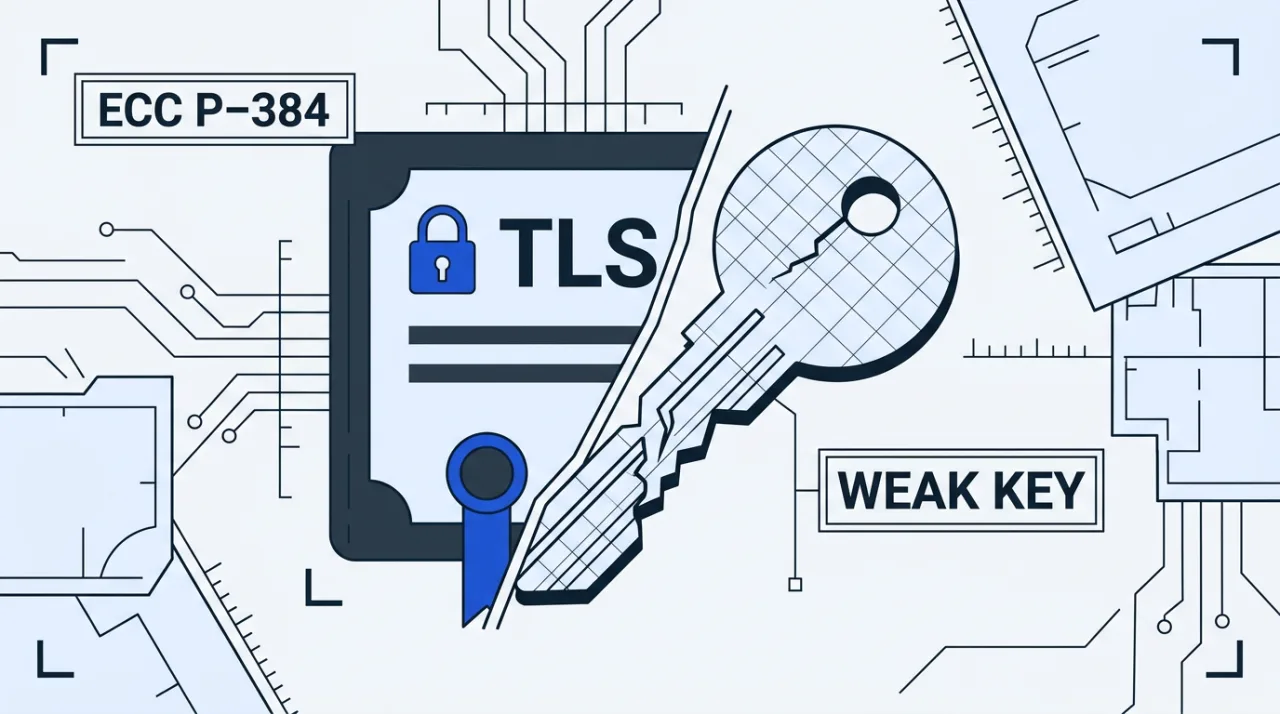
eMudhra review of the recent key incident shows how a flaw in the April 2025 key-generation ceremony produced eight intermediate CA private keys with values low enough to be recovered in under one second. No end-entity certificates were issued under the affected intermediates, and no data breach occurred. The company revoked the keys within a day of the October 17 report and later announced its exit from the global TLS business.
eMudhra TLS Certificates: Timeline of the Weak-Key Incident
The eight affected intermediates sat under the emSign ECC Root CA – G3. Their ECC P-384 private keys used integers between 4 and 237. Security researchers enumerated these values directly from the public certificates. eMudhra traced the error to a script step during the April 30 2025 ceremony on FIPS 140-2 Level 3 Utimaco HSMs that inadvertently created a second weak key set.
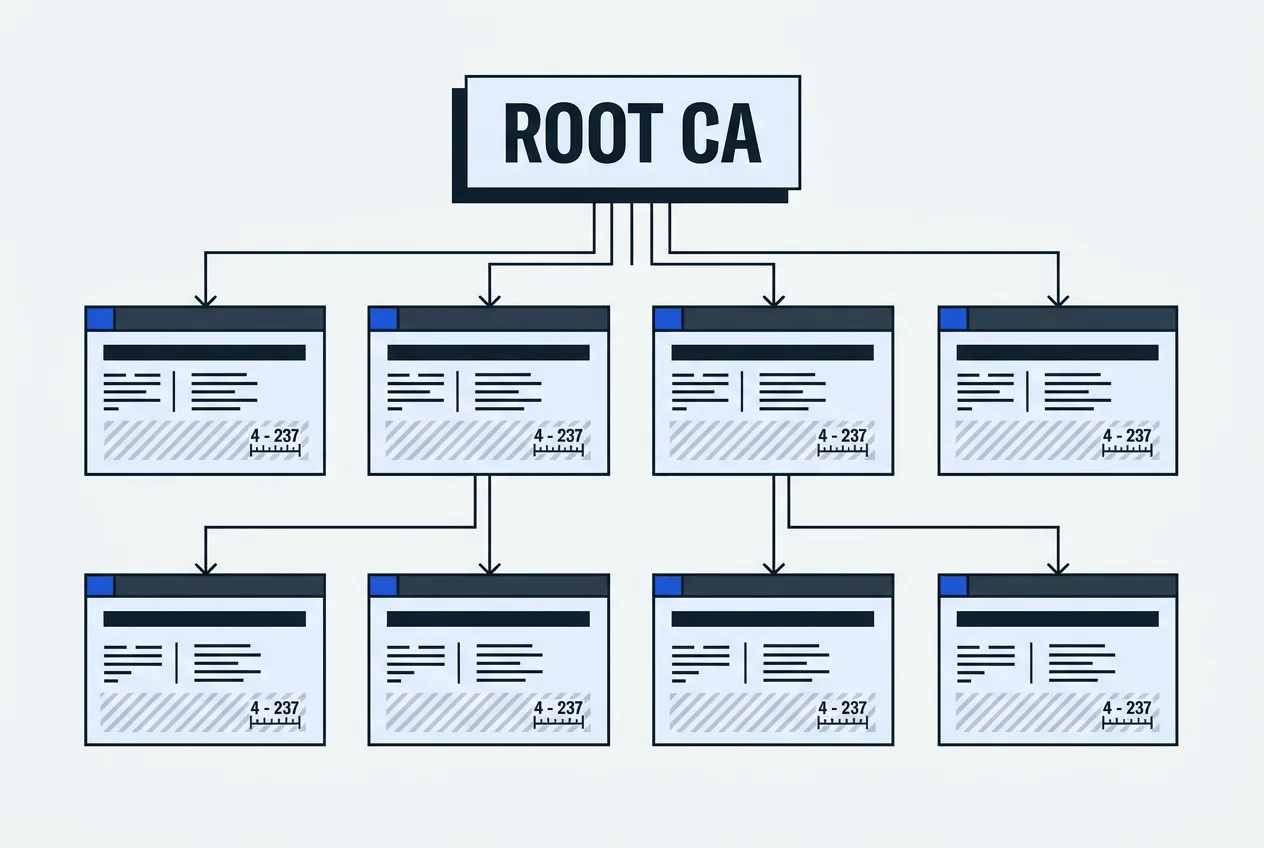
Browser vendors acted quickly once the report surfaced. Mozilla added the intermediates to OneCRL and removed the root from NSS. Apple blocked the chain on October 19, Microsoft on October 20, and Chrome scheduled root removal around October 27. Go, Python certifi, Node.js, and multiple Linux distributions issued updates to their trust stores within the same week.
eMudhra revoked the intermediates on October 18 with the reason code caCompromise. The company confirmed through certificate transparency logs that none of the weak intermediates had issued subscriber certificates. Approximately 30,000 customer certificates under the broader ECC hierarchy still require replacement, primarily to eMudhra’s RSA G1 roots or to Sectigo.
eMudhra Security Measures and Customer Migration Options
eMudhra stated that the incident remained limited to these eight intermediates and did not affect its Indian DSC or eSign services. The firm offered free Sectigo replacement certificates to impacted customers and committed to a full review of its key-ceremony procedures plus new AI-assisted validation tooling. It also plans to maintain redundant CAs for enterprise TLS deployments during the transition period.
Non-browser clients such as curl, IoT devices, and embedded systems remain exposed until their trust stores receive updates. Certificates on devices that cannot be patched will stay vulnerable until the ECC root expires in 2039. CERT-In issued advisory CIAD-2026-0050 warning of potential impersonation risks and recommending immediate certificate replacement.
Root programs continue to monitor eMudhra’s remaining CAs. The company retains its ICRA credit rating and continues to operate revocation services while winding down global SSL/TLS issuance, which accounted for roughly one percent of revenue. Customers evaluating certificate authority trustworthiness should verify current trust-store status before deploying new eMudhra TLS certificates.
| Action | Date | Details |
|---|---|---|
| Key generation | April 30, 2025 | Weak ECC keys created during ceremony |
| Public report | October 17, 2026 | Keys enumerated in under one second |
| Revocation | October 18, 2026 | Intermediates revoked for caCompromise |
| Browser blocks | October 17–20, 2026 | Mozilla, Apple, Microsoft updates |
| Exit announcement | October 22, 2026 | Voluntary withdrawal from global TLS |
Frequently asked questions
What exactly happened with eMudhra private keys?
Eight intermediate CA private keys under the emSign ECC Root CA – G3 used trivially low values that could be recovered by simple enumeration from the public certificates.
Did any customer certificates get issued under the weak keys?
Certificate transparency logs show none of the weak intermediates issued end-entity certificates before revocation on October 18, 2026.
How should existing eMudhra TLS certificate holders respond?
Affected customers should replace certificates with Sectigo or eMudhra RSA G1 alternatives. Browser and OS trust stores are already updated or scheduled for removal.
Will eMudhra continue operating any certificate services?
The company is exiting global SSL/TLS issuance but will keep its Indian DSC and eSign infrastructure as well as revocation services during the transition.
Are non-browser systems still at risk?
Yes. Devices and applications that do not receive regular trust-store updates remain exposed until patched or until the ECC root expires in 2039.
TrustScope
Comments 1