
Fintech Data Breach Analysis Reveals AI Attacks on 16 South Korean Firms
In short
AI-driven attacks hit 16 South Korean financial institutions in late 2026, exposing roughly 100,000 personal records. This analysis details the timeline, affected sectors, and inspection findings.
AI-assisted cyberattacks struck 16 South Korean financial institutions between late September and mid-October 2026, exposing approximately 100,000 personal records. The incidents targeted external systems such as loan portals rather than core banking platforms, and no account or card numbers enabling direct fraud were reported. Authorities confirmed the scale during a Financial Services Commission emergency meeting on October 14.
Scope of the breaches and affected institutions
Four banks, four savings banks, two credit finance companies, two online platforms, one electronic payment provider, two virtual asset operators, and one cooperative federation were named in official disclosures. Examples include Shinhan Bank, KB Kookmin Bank, Yegaram Savings Bank, Hyundai Capital, and Streami, the operator of Gopax. Earlier separate disclosures from Shinhan and Yegaram accounted for roughly 65,000 of the total records.
Traces of the open-source Chinese-language AI tool ARTEX appeared on compromised servers. The tool performed automated vulnerability scanning against external-facing applications. Investigators traced command-and-control traffic to IP addresses in multiple countries, though attribution remains under review by police and the Korea Internet & Security Agency.
The following table summarizes the distribution across sectors:
| Sector | Number of firms | Example institutions |
|---|---|---|
| Banks | 4 | Shinhan, KB Kookmin, BNK Busan, Hana |
| Savings banks | 4 | Yegaram, Welcome, DB, OK |
| Credit finance & online platforms | 4 | Hyundai Capital, PFCT, Mouda |
| Electronic payments & crypto | 3 | Brightfix, Streami, Prabang |
| Cooperatives | 1 | Saemaul Geumgo |
Security deficiencies identified and official response
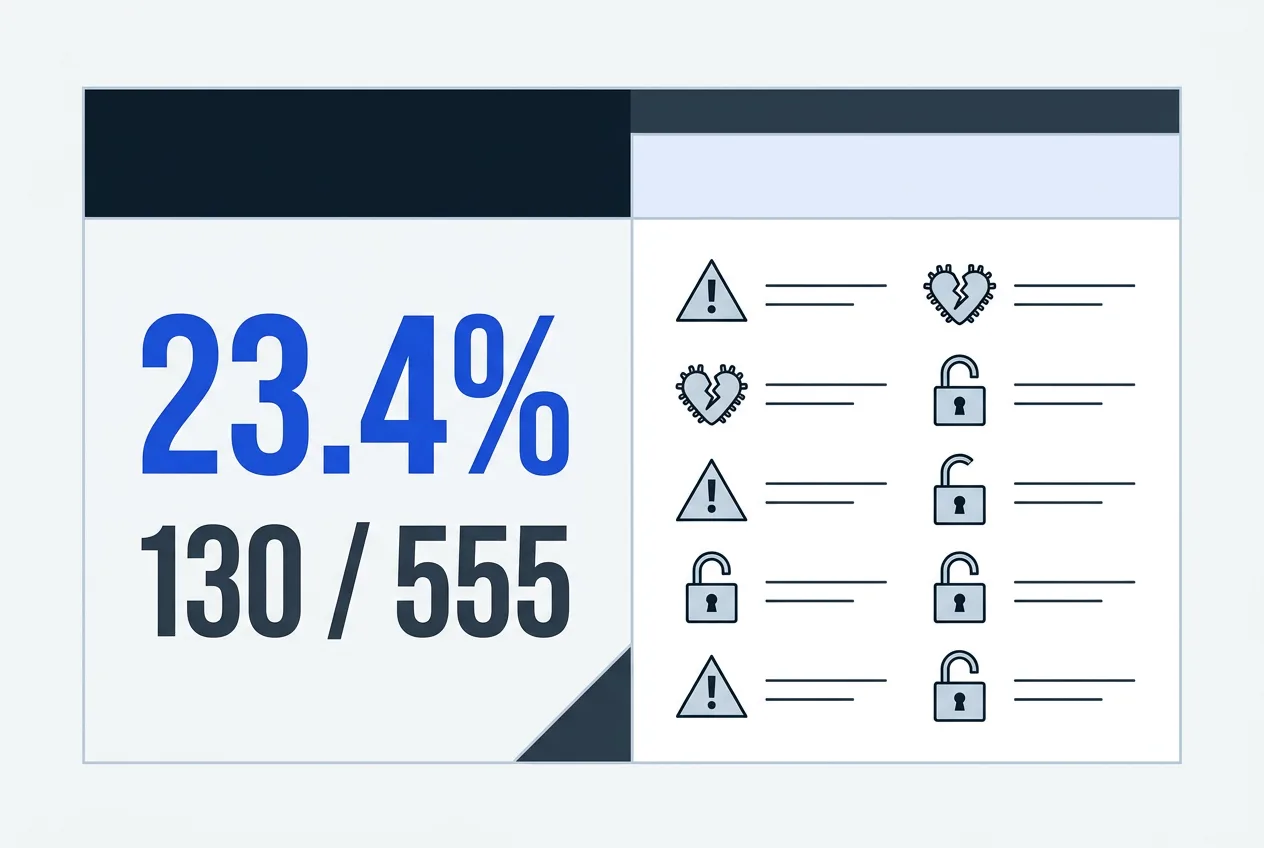
An emergency inspection of 555 firms using a 12-point checklist flagged deficiencies at 130 institutions, or 23.4 percent. Common issues included missing security patches, unsupported legacy systems, absence of round-the-clock monitoring, and weak multi-factor authentication on external portals. Deficiencies appeared more frequently among electronic and online-only operators.
The Financial Services Commission directed immediate IP blocking, patching, and, where necessary, temporary service suspensions. On-site examinations by the Financial Supervisory Service and the Financial Security Institute continue in coordination with law enforcement. A one-month consumer alert period began in early October to monitor for fraud attempts.
Further measures under consideration include mandatory vulnerability assessments at least twice yearly for larger firms, expanded legal authority for ad-hoc checks, and stronger accountability requirements for chief executives and chief information security officers. Sector-wide threat intelligence sharing and AI-supported monitoring tools are also planned.
Implications for payment gateway and external system security
The incidents underscore risks in third-party and external support systems that connect to fintech platforms. Attackers focused on loan broker portals and employee mobile tools, areas that often receive less stringent controls than core transaction engines. Payment gateway operators should verify that authentication and logging cover all external interfaces.
Smaller institutions showed higher rates of unpatched systems during the inspection. Regulators have indicated they will provide targeted support for these firms while tightening reporting timelines. Continuous monitoring of external access points remains a practical priority for any organization handling personal financial data.
Frequently asked questions
Which records were exposed in the South Korean incidents?
The leaked data included names, contact details, resident registration numbers, and email addresses. No bank account numbers or card details that could enable immediate fraudulent transactions were reported.
What role did AI tools play in the attacks?
Investigators found traces of the open-source LLM-based penetration tool ARTEX on affected servers. The tool automated vulnerability scanning against external systems such as loan portals.
How many firms failed the emergency security inspection?
Of 555 firms reviewed with a 12-point checklist, 130 showed deficiencies including missing patches and weak authentication on external systems.
What immediate steps did regulators require?
The Financial Services Commission ordered IP blocking, patching of vulnerable systems, and temporary service suspensions where necessary, followed by continued on-site examinations.
TrustScope
Comments 12