
Fintech Data Breach Analysis: AI Attacks Expose 100,000 Records Across 16 South Korean Institutions
In short
AI tools powered coordinated attacks on peripheral systems of 16 South Korean financial firms, exposing names, phone numbers and resident registration data for roughly 100,000 individuals.
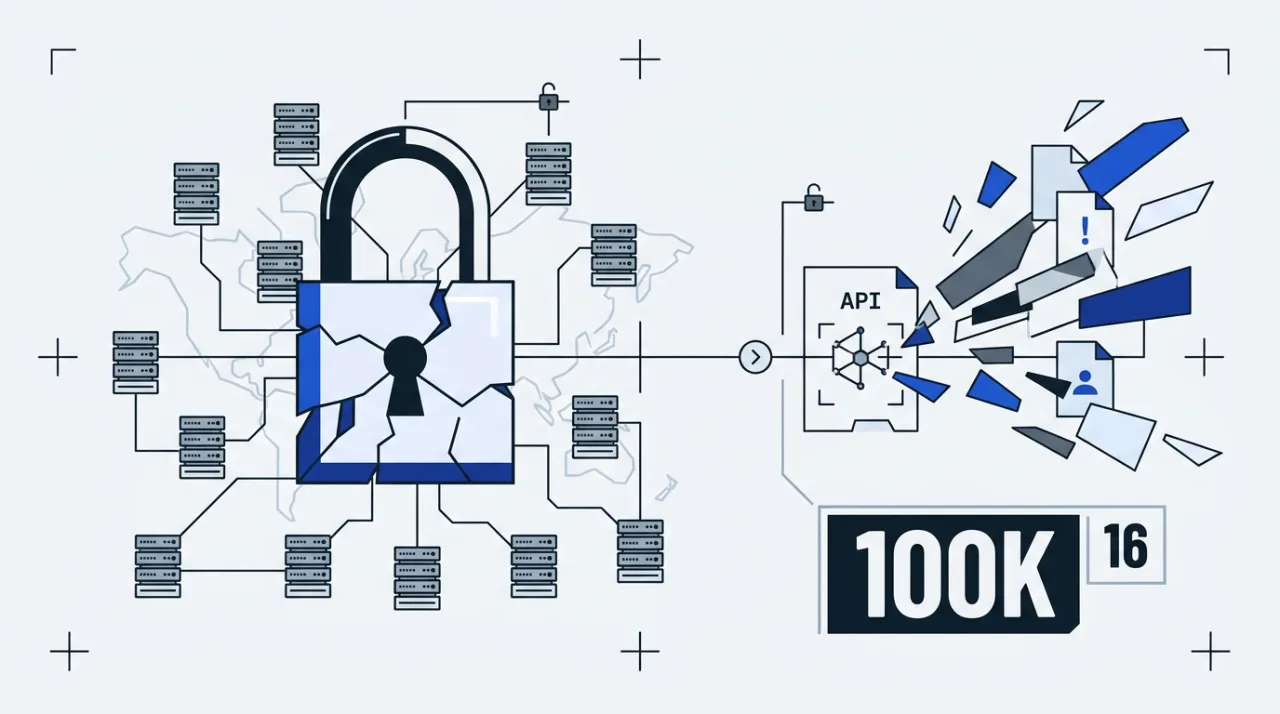
AI-assisted attacks between late September and early October 2026 compromised peripheral systems at 16 South Korean financial institutions and exposed approximately 100,000 personal records. The incidents centered on loan-brokerage query services and employee support portals rather than core transaction systems. No account numbers or card credentials were confirmed as leaked.
Attack Methods and Scope
Attackers used the ARTEX LLM-powered pentesting framework along with models such as DeepSeek v4.1-flash, Claude and GLM-5.3 to automate reconnaissance and exploit authentication gaps. The campaign began around 27 September 2026 and hit initial targets including Shinhan Bank before expanding. Proxy-IP rotation and cross-institution targeting allowed rapid scaling across banks, savings institutions and credit companies.
Affected entities include Shinhan, KB Kookmin, BNK Busan and Hana banks; Yegaram, Welcome, DB and OK savings banks; Hyundai Capital and KDB Capital; plus PFCT, Mouda, Brightfix, Streami (Gopax), Pravang and the Korean Federation of Community Credit Cooperatives. Early reports cited 67,000–68,000 records, later revised by the Financial Services Commission to roughly 100,000 by 14 October. Exposed fields comprised names, phone numbers, resident registration numbers or tokens, email addresses and, in limited cases, income or loan-limit details.
A list of common weaknesses exploited illustrates the pattern:
- Outdated software patches on internet-facing endpoints
- Insufficient multi-factor authentication for external access
- End-of-support systems still handling query traffic
- Limited 24/7 monitoring of non-core applications
A self-assessment of 555 firms conducted earlier in 2026 had already flagged deficiencies at 130 organizations, representing roughly 23–24 percent of the sector.
Regulatory Response and Sector Reforms
The Financial Services Commission held emergency meetings on 2 and 4 October, followed by a second meeting on 14 October that publicly confirmed the full scope. Secretary General Shin Jin-chang noted the absence of direct transaction-risk data but highlighted repeated basic security shortfalls despite prior warnings. President Lee Jae-myung ordered comprehensive probes, and police opened an investigation into the actor, assessed with moderate confidence as financially motivated and Chinese-speaking.
Planned measures include mandatory vulnerability assessments at least twice yearly for large firms, expanded external access-point reviews, enhanced threat-intelligence sharing and possible requirements for dedicated chief information security officers. The commission also signaled openness to AI-versus-AI defensive tools and selective easing of network separation rules where justified by new controls.
| Institution Type | Examples | Early Record Estimate |
|---|---|---|
| Commercial Banks | Shinhan, KB Kookmin | 25,000+ |
| Savings Banks | Yegaram, Welcome | 40,000+ |
| Credit & Others | Hyundai Capital, Streami | 10,000–15,000 |
Practical Steps for Fintech Users and Providers
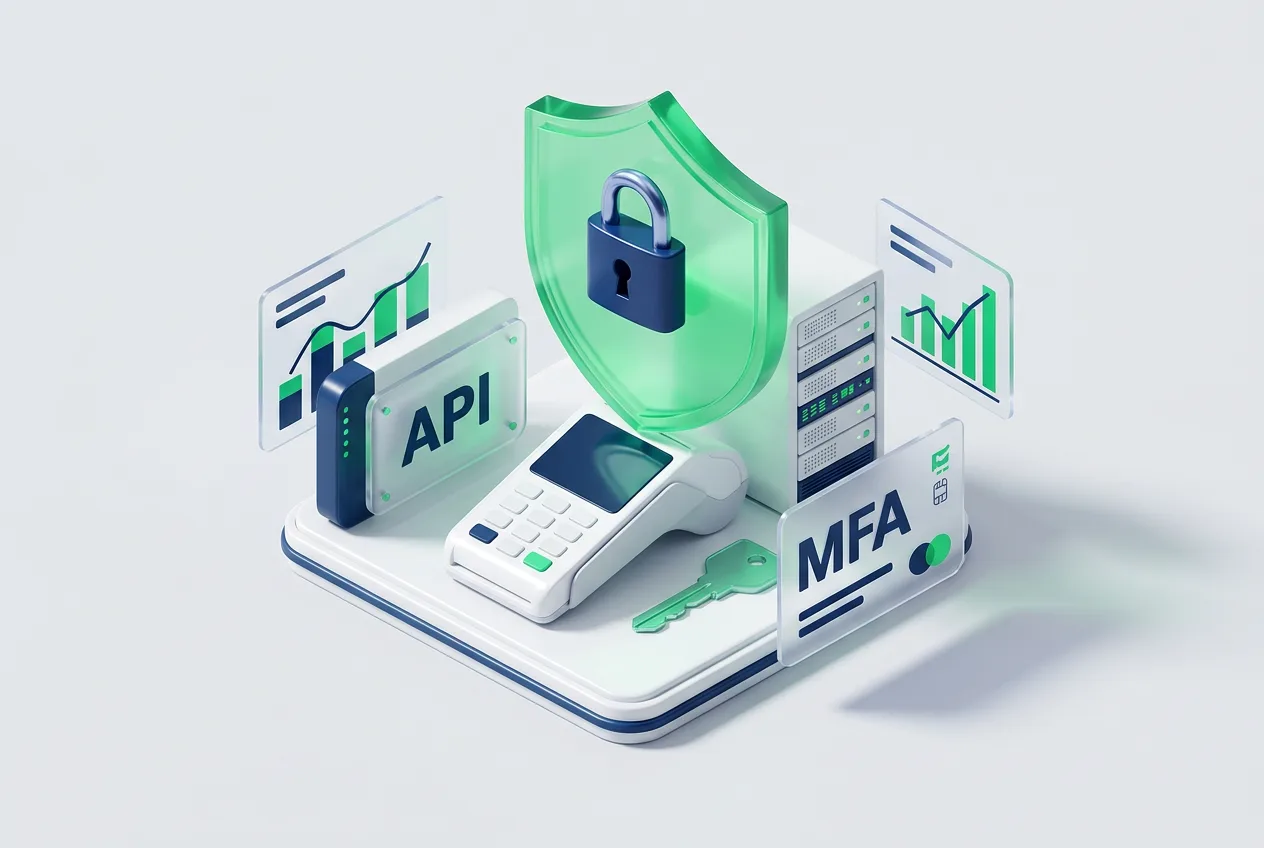
Organizations operating payment gateways or loan platforms should immediately inventory all internet-facing APIs and apply current patches. External authentication flows require enforced MFA and continuous monitoring logs reviewed around the clock. Regular tabletop exercises that simulate LLM-driven reconnaissance help teams identify gaps before adversaries do.
Individuals whose data may have been exposed can request status updates directly from the affected institutions listed by the FSC. Monitoring credit reports and limiting reuse of resident registration numbers across services reduces downstream exposure. Providers that publish transparent post-incident reports and maintain verifiable encryption for stored identifiers earn greater user trust over time.
The 2026 incidents demonstrate that even non-core systems can serve as entry points when automated tools lower the cost of discovery. Continued on-site inspections and possible fines for non-compliance are expected to drive measurable improvements in baseline controls across the sector.
Frequently asked questions
Which types of data were exposed in the 2026 South Korean incidents?
Names, phone numbers, resident registration numbers or encrypted tokens, email addresses and limited income or loan-limit details appeared in the exposed records. Account numbers and card credentials were not confirmed as compromised.
How did AI tools contribute to the attacks on the financial firms?
Attackers deployed the ARTEX framework and models including DeepSeek and Claude to automate scanning and exploitation of authentication weaknesses in peripheral systems. The approach enabled rapid targeting across multiple institutions with rotating proxy IPs.
What reforms has the Financial Services Commission announced?
The commission outlined twice-yearly vulnerability assessments for large firms, expanded external access reviews, improved threat sharing and potential new CISO requirements. On-site inspections and possible fines for non-compliance are also under consideration.
Should users of affected fintech platforms change their behavior?
Users should contact their institutions for status updates, monitor credit reports and avoid reusing resident registration numbers. Providers that publish clear incident reports and maintain strong external authentication earn continued trust.
TrustScope
Comments 5