
Ledger Security Review: Assessing Hardware Wallet Risks After Southeast Asia Tampering Incident
In short
Ledger security review covers the 2026 Southeast Asia reseller tampering incident, implant mechanism, confirmed losses, and updated purchase guidance for hardware wallet users.
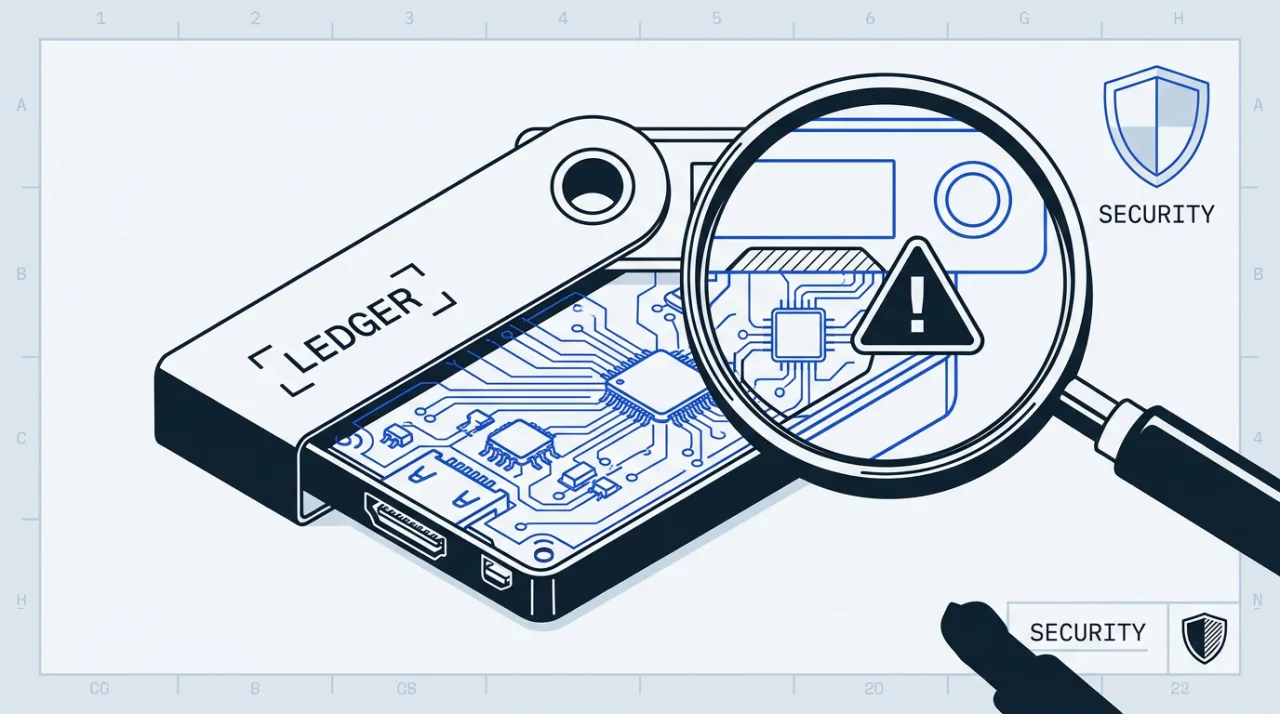
Ledger security review addresses the October 2026 supply-chain incident involving tampered devices sold through Southeast Asian resellers. Confirmed implants allowed extraction of 24-word recovery phrases on affected Nano X and Flex units purchased mainly from CryptoBilis. Ledger reported no compromise to its manufacturing, firmware, or direct sales channels.
The incident prompted Ledger to suspend sales through multiple regional partners and issue new reseller requirements. On-chain estimates placed total drained funds between 72 million and 102 million dollars across hundreds of addresses holding Bitcoin, ETH, and TRON assets. All verified cases traced back to devices that passed through the affected reseller network.
Ledger Security Review: Incident Timeline and Geographic Scope
Reports of unauthorized fund movements surfaced on October 9, 2026. Ledger paused shipments from CryptoBilis the same day and confirmed the presence of hardware implants by October 10. On October 13 the company expanded the sales halt to authorized resellers in seven markets and published technical findings from its Donjon team.
Sales were suspended in Indonesia, Singapore, Thailand, Philippines, Vietnam, Malaysia, and Hong Kong. One isolated report also led MediaMarkt Saturn to pause sales in Germany. Ledger stated that confirmed drains remained limited to devices originally supplied through the Malaysian reseller CryptoBilis, with no evidence of tampering in factory-sealed units sold directly or through other verified channels.
Independent teardowns by Tibane Labs and Mark Karpelès corroborated the implant design. The added microcontroller read the recovery phrase from the device screen during setup and transmitted it via an LTE eSIM. The Secure Element and transaction signing processes stayed untouched, allowing tampered units to pass Ledger’s Genuine Check.
Technical Details and User Protections in the Ledger Security Review
The implant sat inside the enclosure as a separate component and did not alter Ledger OS behavior or cryptographic operations. This design allowed devices to complete normal setup and transaction flows while silently exfiltrating the seed phrase. Ledger emphasized that no firmware or server-side systems were breached.
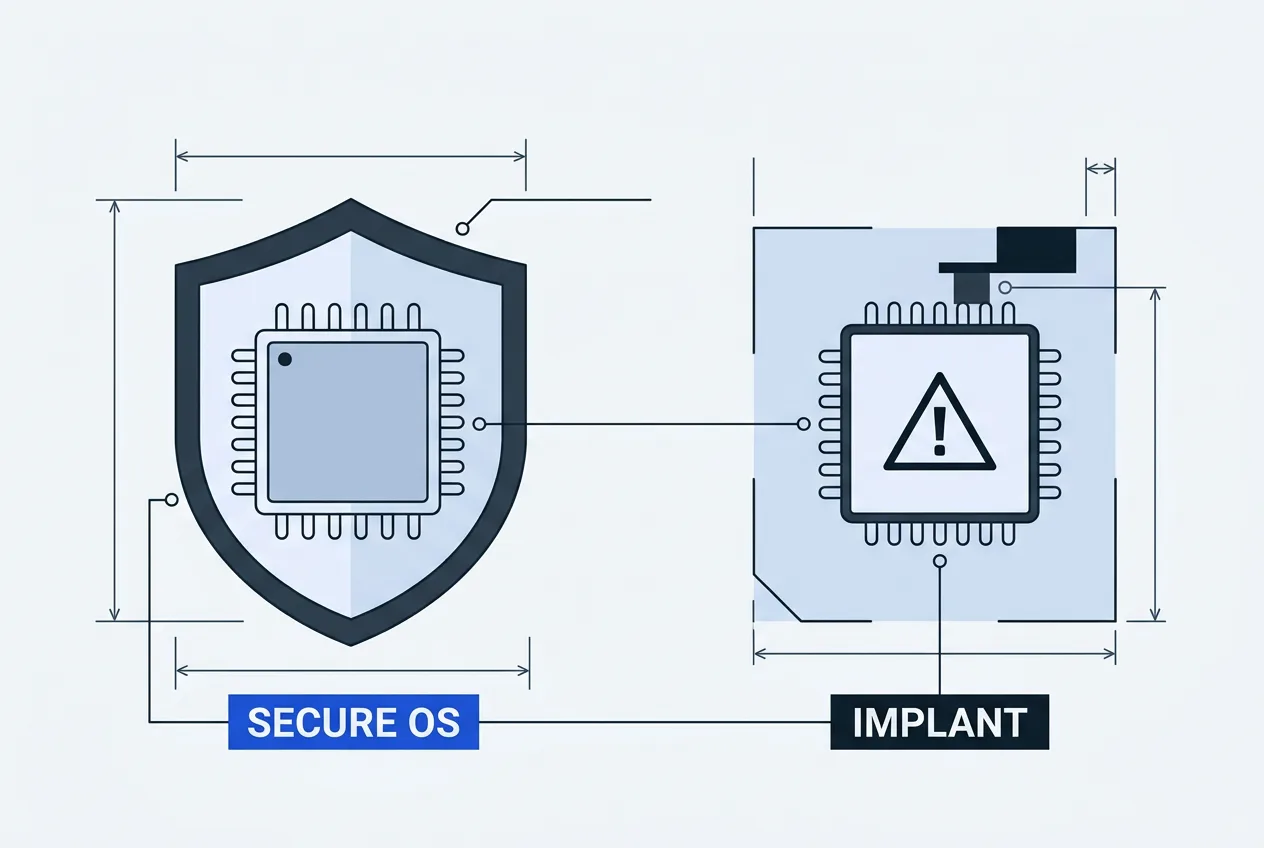
Users who purchased devices from CryptoBilis or other suspended resellers were advised against setting up unused units. Those who had already initialized devices were instructed to move funds to a fresh device with a new seed phrase. Ledger began reviewing all authorized partners and introduced stricter rules: no shelf stock, direct hand-off at purchase, and prohibition on reselling returned units even if still sealed.
Screening of remaining regional inventory found no additional compromised devices outside the identified channel. Ledger Donjon continues analysis and plans to share enhanced anti-tampering measures with the industry. The company is cooperating with law enforcement in affected jurisdictions.
| Channel | Status After October 2026 | Recommended Action |
|---|---|---|
| Official Ledger store | Unaffected | Buy directly; verify packaging seals |
| CryptoBilis | Sales suspended | Do not use; contact Ledger Support |
| Other Southeast Asia resellers | Sales paused pending review | Confirm current status before purchase |
| MediaMarkt Saturn | Paused in affected markets | Check for official resumption notice |
Buyers should limit purchases to the official Ledger website or verified partners that meet the new direct-hand-off policy. Any device showing signs of prior opening or unusual packaging should be reported immediately. Regular firmware updates and avoidance of third-party recovery services remain standard practice.
Practical Steps to Verify Ledger Hardware Wallet Authenticity
Run the Genuine Check immediately upon setup through the Ledger Live application. Compare the device serial number against the original packaging and purchase receipt. Avoid any unit obtained from unauthorized marketplaces or resellers with unclear sourcing history.
Store the recovery phrase offline and never enter it on a device connected to the internet during initial setup if the hardware origin is uncertain. Monitor on-chain activity of any wallets initialized before October 15, 2026, and be prepared to transfer assets to a new seed if anomalies appear.
Organizations holding significant holdings should consider multi-signature setups or splitting assets across multiple hardware wallets from different manufacturers to reduce single-point supply-chain exposure. Ledger continues to publish updates on its official blog and support channels.
Frequently asked questions
What happened with Ledger devices sold in Southeast Asia?
In October 2026, tampered Ledger Nano X and Flex units sold through reseller CryptoBilis contained implants that captured recovery phrases during setup. Ledger confirmed the implants did not affect the Secure Element or firmware and suspended sales through the affected channel.
How can users check if their Ledger device is safe?
Perform the Genuine Check in Ledger Live, inspect packaging for signs of opening, and confirm the purchase source matches current authorized channels. Devices bought from suspended resellers should not be initialized.
Did Ledger’s own systems get breached?
Ledger stated that its manufacturing, firmware, servers, and direct sales remained uncompromised. All confirmed drains traced to post-distribution modifications performed on devices originally sold through one regional reseller.
What should affected users do with funds on existing devices?
Move assets to a new hardware wallet initialized with a fresh seed phrase. Continue monitoring transaction activity and avoid entering the original recovery phrase on any connected device.
TrustScope
Comments 1