
CRM Data Breach Analysis of OK Savings Bank Loan System Incident
In short
The OK Savings Bank cyberattacks exposed loan and deposit data of 518 customers through public-facing systems. This incident offers concrete lessons on CRM data protection.
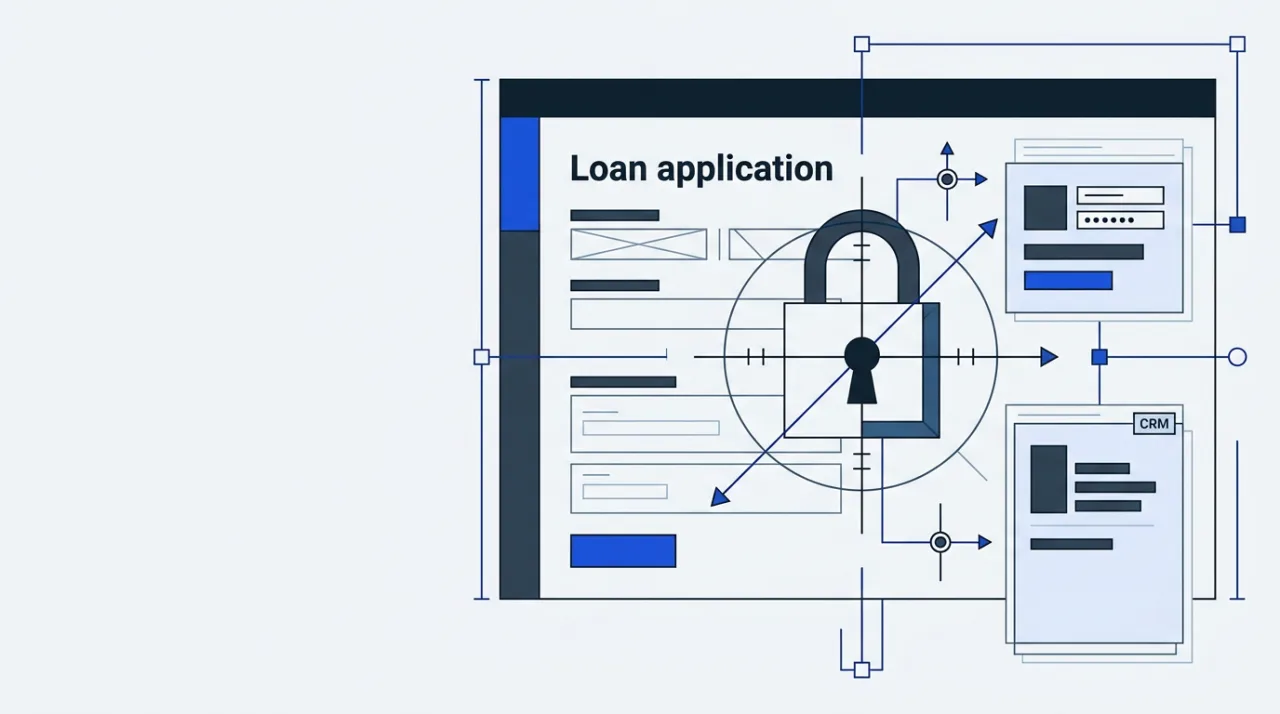
The OK Savings Bank cyberattacks in October 2026 exposed names, addresses, account numbers, and financial details of 518 customers through its online loan application and mobile inquiry pages. No resident registration numbers were accessed and no secondary fraud has been confirmed.
This case illustrates risks in customer-facing applications that handle structured personal and financial data, similar to those managed in CRM platforms. The timeline and response measures provide measurable examples for organizations evaluating their own data handling practices.
Timeline and Scope of the OK Savings Bank Incidents
Unauthorized access to the loan application webpage lasted from approximately 8:44 p.m. on October 11 until 2:14 a.m. on October 12, 2026. The bank detected the activity around 10 a.m. on October 12 and blocked the suspicious IP addresses by 11:35 a.m. A second incident targeted mobile deposit and account inquiry pages between 3:32 a.m. and 7:34 a.m. on October 15.
Initial estimates placed the first breach at 183 customers. External forensic review raised the figure to 250 individuals whose records included dates of birth, mobile numbers, emails, employer information, business registration numbers, annual income, and requested loan amounts. The second breach affected 268 deposit customers, revealing account balances, product names, interest rates, and last transaction dates. Combined confirmed exposure reached 518 customers.
The attacks used different IP addresses and showed no confirmed connection between the two events. Public-facing web pages were the entry points in both cases.
Bank Response and Containment Measures
OK Savings Bank reported both incidents to the Financial Supervisory Service. It notified every affected customer individually by SMS or email and established dedicated inquiry channels. Access routes tied to the suspicious IPs were blocked immediately, followed by patches to authorization logic and deployment of abnormal activity detection tools.
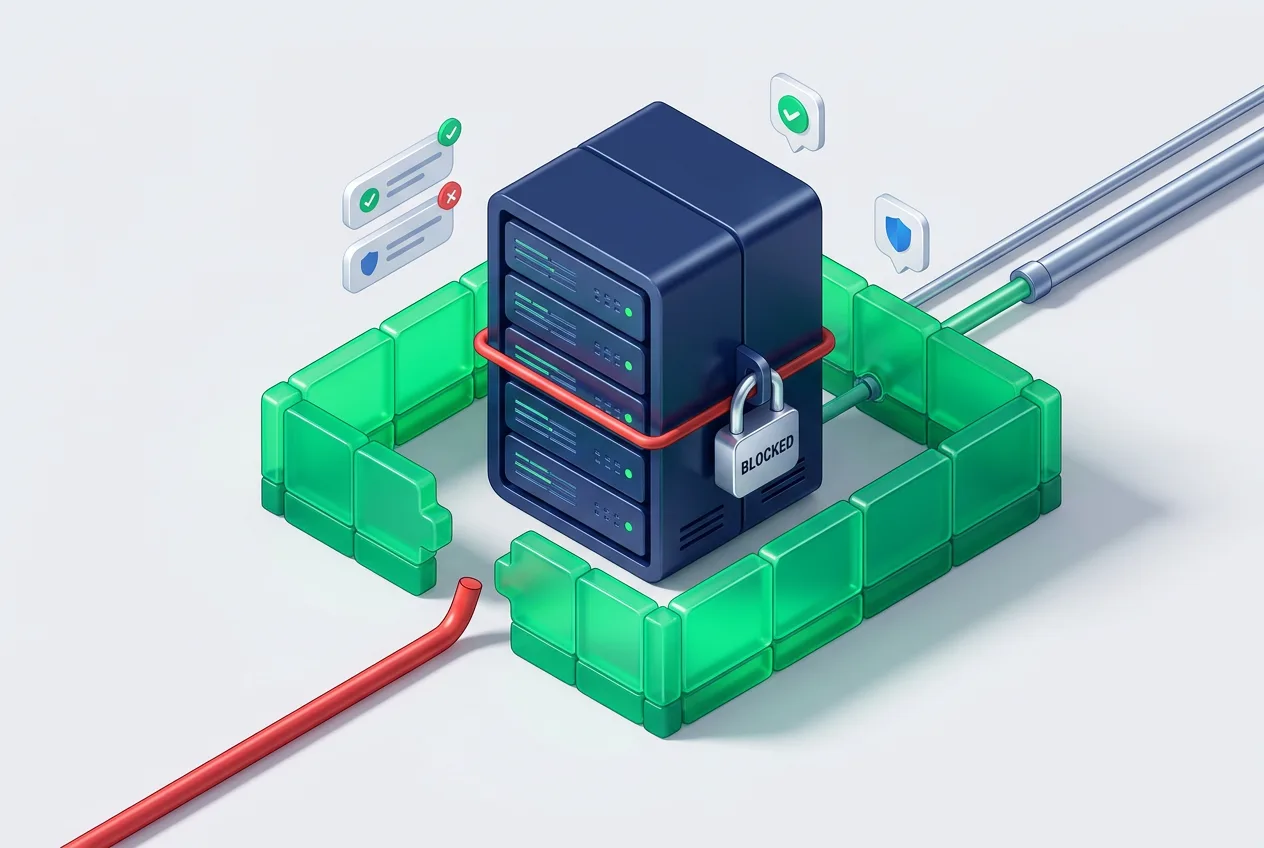
The bank conducted an emergency system-wide security inspection and increased monitoring across all customer platforms. In its official statement the institution described the events as taken “very seriously” and outlined plans for a full review of personal information protection systems and overall security infrastructure.
No new unauthorized access has been reported since the mitigation steps were completed. Regulators have used the incidents to examine sector-wide controls at non-bank financial institutions.
Security Implications for Customer Data Systems
The exposed fields demonstrate the breadth of information collected during routine loan and deposit processes. Organizations that store comparable datasets should map exactly which elements are accessible through unauthenticated or lightly authenticated web endpoints.
- Limit the volume of personal and financial fields returned by public pages to the minimum required for the transaction.
- Apply rate limiting and behavioral analytics to detect scraping or enumeration attempts within short time windows.
- Conduct regular external penetration tests focused on customer portals rather than internal networks alone.
- Maintain documented incident notification procedures that include direct customer contact within 24 hours of confirmation.
Financial institutions operating customer relationship platforms face similar exposure vectors when web applications pull directly from core databases without additional segmentation. The OK Savings Bank events show that even brief windows of access can result in hundreds of records leaving the system before detection occurs.
Frequently asked questions
What data was exposed in the OK Savings Bank incidents?
Records included names, dates of birth, mobile numbers, addresses, emails, account numbers, employer details, business registration numbers, annual income, loan amounts, balances, interest rates, and transaction dates for 518 customers. Resident registration numbers remained unexposed.
How quickly did OK Savings Bank respond to the attacks?
The first breach was detected within roughly eight hours and suspicious IPs were blocked within 90 minutes of detection. The second incident was confirmed within three hours and similar blocking actions followed.
Were the same attackers responsible for both OK Savings Bank breaches?
No confirmation exists that the same actors carried out both incidents. Different suspicious IP addresses were recorded in each event.
What steps should organizations take after similar CRM data exposures?
They should notify affected individuals promptly, report to regulators, apply immediate access controls, and perform independent forensic reviews of all customer-facing applications.
TrustScope
Comments 4