
OpenAI Codex Security Cloud review: Continuous Repository Scanning and Vulnerability Tracking
In short
OpenAI Codex Security Cloud offers cloud-based scanning of GitHub repositories for security issues, with sandbox validation and human-reviewed fixes in research preview.
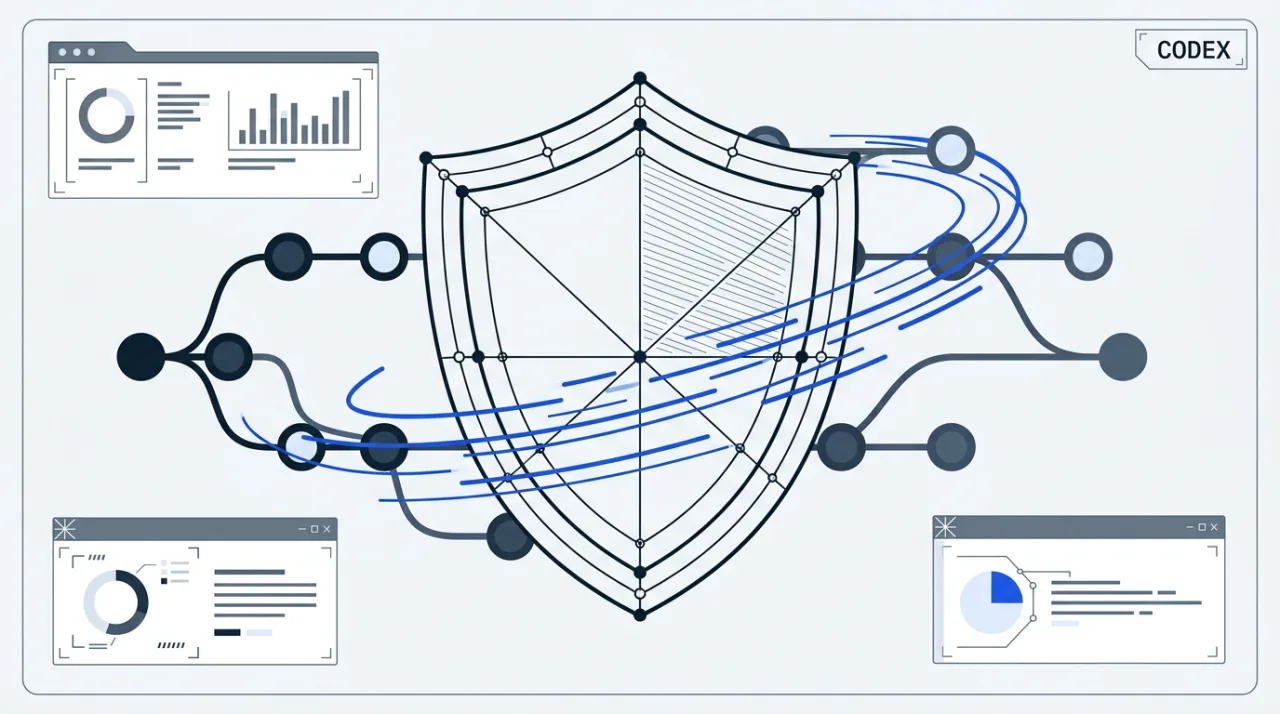
OpenAI Codex Security Cloud provides continuous scanning of connected GitHub repositories to identify vulnerabilities. Launched as a research preview, it builds on earlier Codex Security tools and runs in the cloud without requiring an active local session.
OpenAI Codex Security Cloud Core Capabilities
The service connects directly to GitHub repositories and constructs editable threat models that define entry points, trust boundaries, and sensitive paths. Scans run on demand, on a schedule, or triggered by new commits, and they analyze the full repository rather than isolated files. Findings receive code context for investigation, then move to validation in isolated ephemeral sandboxes that reduce false positives before any report reaches the user.
Validated issues undergo deduplication and receive proposed patches that a human must review. The proposals can convert into draft pull requests, but the system performs no automatic code changes. Default operation uses the Daybreak Blue model for its cyber-specific capabilities. The workflow follows a fixed sequence of threat modeling, discovery, sandbox validation, and patching.
- Repository connection limited to GitHub in the Cloud version
- Scheduled or commit-triggered full scans
- Sandbox validation to cut false positives
- Patch proposals requiring explicit human approval
Network policies, access approvals, and telemetry logging support governance of the agent actions. These controls remain configurable through workspace settings.
Availability, Access, and Billing Details
Access requires a ChatGPT Pro, Business, Enterprise, or Edu plan plus the Codex desktop or web plugins. Workspace administrators control Security Cloud permissions through role-based access controls and SCIM provisioning. Only Enterprise and Edu tiers currently support the full cloud-hosted scanning; other plans use the local CLI or SDK versions.
Billing operates on a token basis for Cloud scans, with an opt-in requirement that pauses activity when funding is absent. The research preview status means availability can change, and users are advised to begin with a small number of repositories while integrating patch reviews into existing pull-request processes.
Token usage applies after October 1, 2026 for new scans. Administrators can monitor consumption through standard workspace dashboards and set spending limits where supported by the plan.
Beta Performance Metrics and Security Findings
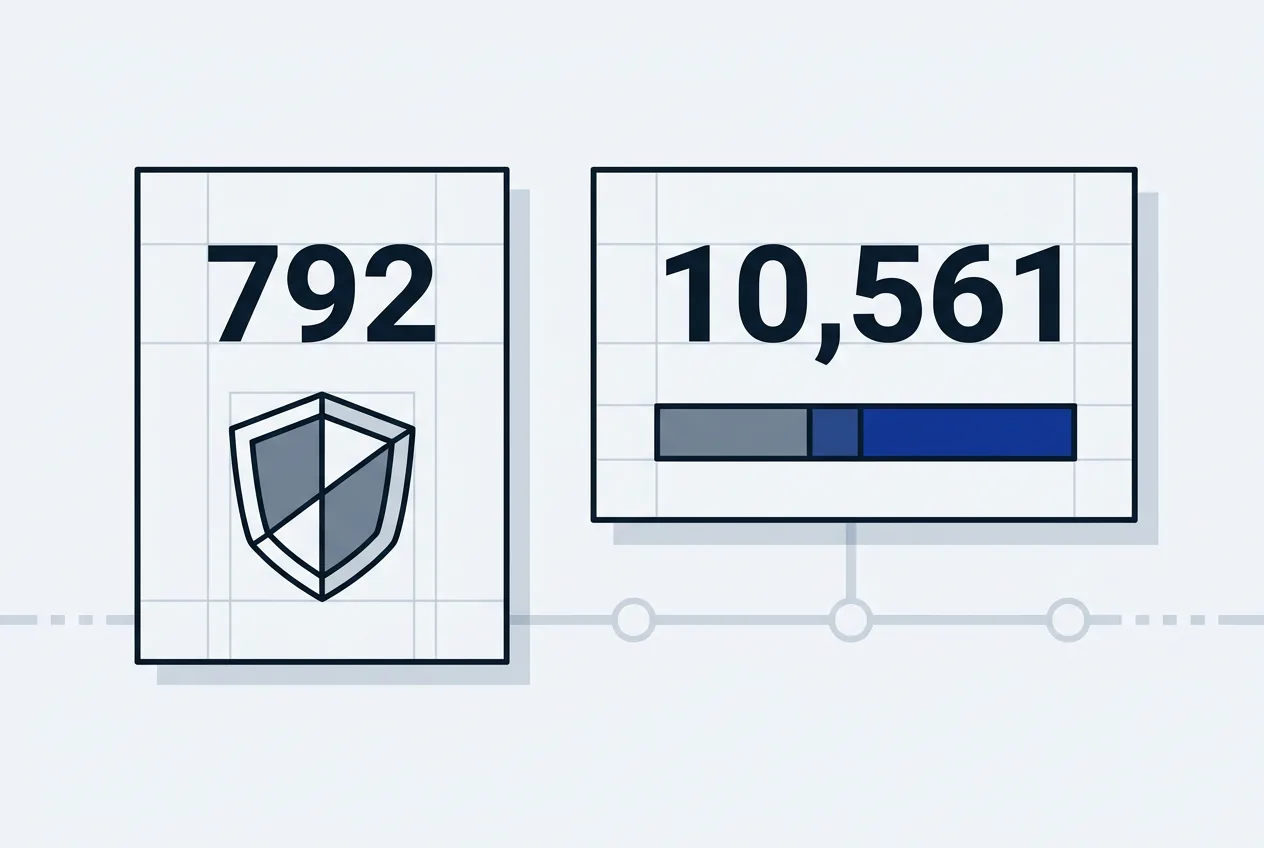
During roughly 30 days of the preceding beta, the system scanned more than 1.2 million commits across external repositories. It identified 792 critical-severity and 10,561 high-severity findings, with critical issues appearing in fewer than 0.1 percent of commits. False-positive rates decreased by more than 50 percent compared with earlier versions, and over-reported severity dropped by more than 90 percent in tracked cases.
Noise reduction reached up to 84 percent in some repositories. The tool located issues in established open-source projects including OpenSSH, GnuTLS, and Chromium, several of which resulted in published CVEs. These outcomes came from the beta phase before the Cloud expansion added always-on hosted execution.
| Metric | Beta Result |
|---|---|
| Commits scanned | Over 1.2 million |
| Critical findings | 792 |
| High-severity findings | 10,561 |
| False-positive reduction | More than 50% |
| Noise reduction (max observed) | Up to 84% |
Users evaluating the service should compare these numbers against their own repository volume and current scanning tools. The sandbox validation step remains the primary mechanism for maintaining signal quality as scan frequency increases.
Frequently asked questions
Is OpenAI Codex Security Cloud safe to connect to private repositories?
The service uses GitHub OAuth for access and runs scans inside controlled cloud environments. No code changes occur without explicit human approval, and sandbox validation limits exposure of unconfirmed findings.
How does Codex Security Cloud reduce false positives?
Each potential issue undergoes validation inside an isolated ephemeral sandbox that executes relevant code paths. This step filters noise before results reach the user, contributing to the reported 50 percent drop in false positives during beta testing.
What plans include Codex Security Cloud access?
The research preview requires ChatGPT Pro, Business, Enterprise, or Edu subscriptions along with the Codex plugins. Enterprise and Edu administrators manage permissions via RBAC and SCIM, while token billing applies to Cloud scans after October 1, 2026.
Can Codex Security Cloud make automatic code changes?
No. All patch proposals require human review and can be converted to draft pull requests. The system contains no mechanism for automatic merges or direct repository writes.
TrustScope
Comments 1