
OpenCode Security Review: API Key Exposure and User Protections
In short
The October 2026 incident exposed third-party AI API keys for a small subset of OpenCode Console users. Affected users received direct notices and should rotate keys immediately.

OpenCode security review shows that a legacy system breach on October 16–17, 2026, exposed third-party AI provider API keys for roughly 1.4 percent of Console users. The open-source client itself remained unaffected, and only users who had linked external providers received notification emails. Users without an email were not impacted according to the company.
OpenCode Console breach timeline and scope
The unauthorized access occurred overnight on October 16–17 to a legacy system OpenCode was decommissioning. OpenCode described the event as tied to a large-scale distillation attack and posted a public statement on X the following evening. The company emailed all affected users on the morning of October 17 and stated that the incident remained ongoing at the time of disclosure.
Scope remained limited to Console workspaces that stored credentials for external providers such as OpenAI, Anthropic, and Google. The open-source OpenCode CLI and desktop applications never transmitted locally configured keys to servers. No evidence indicates broader access to user workspaces, billing data, or other stored information beyond the linked provider keys.
Multiple users reported unexpected charges ranging from roughly 100 to 400 dollars on OpenAI and Anthropic accounts, with isolated reports reaching 1,700 dollars. Some accounts triggered usage alerts or spending limits before the formal notice. These figures come from user reports rather than official OpenCode data.
Provider responses and remediation steps
Anthropic revoked affected Claude API keys shortly after notification. OpenAI staff confirmed they were working with OpenCode to restore credits and refund charges drawn during the attack as of October 19. Google appeared in remediation discussions, though fewer specific actions were publicly detailed by that date.
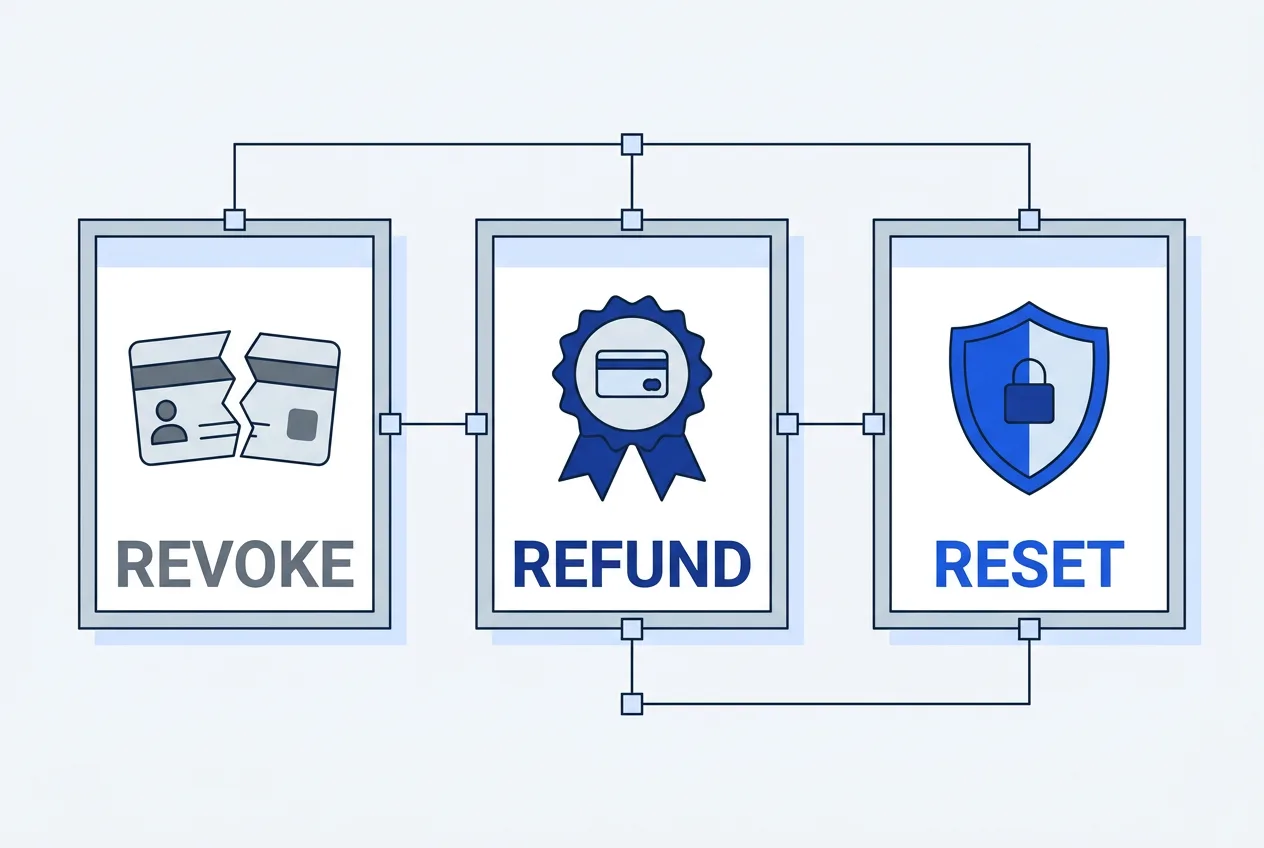
OpenCode advised affected users to revoke and replace keys through each provider dashboard, review recent usage logs, and update any connected applications. The company maintains a public security trust center and lists a SOC 2 Type 2 report, though no full post-incident report with exact numbers of keys or total spend had been released by October 19.
Co-founder Dax Raad stated on X that refunds were underway for contacted users. OpenCode has not published a formal refund policy for the event. Users who never linked external providers in Console had no exposure through this channel.
Practical steps for OpenCode users
Review your email inbox and spam folder for any notification sent on October 17. If no message arrived, no action is required for this incident. If a message did arrive, complete these tasks in order:
- Log into each linked provider dashboard and revoke the exposed keys.
- Generate new keys and update them only in local OpenCode configurations if you prefer to avoid Console storage.
- Check usage and billing history for the period of October 16–18 and request credits where unauthorized spend appears.
- Monitor the OpenCode trust center and official X account for any follow-up reports.
Console functions as an optional hosted gateway. Teams that require shared credentials should weigh the convenience against the added server-side storage of keys. The open-source client offers an alternative that keeps all configuration local.
Frequently asked questions
Was the entire OpenCode platform compromised?
No. The breach was limited to a legacy Console system and affected only users who had stored external provider keys there. The open-source CLI and desktop apps do not send local keys to servers.
What should users do if they received the October 17 email?
Revoke the exposed keys in each provider dashboard, generate replacements, and review account usage for unauthorized charges. Contact the provider support teams for any refund requests.
Does OpenCode publish a full incident report?
As of October 19, 2026, the company had not released a detailed post-mortem with exact counts of affected keys or total financial impact. Updates are expected through the trust center.
Are refunds guaranteed for affected users?
OpenCode stated that refunds are underway for notified users, but no formal published policy covers the incident. Individual providers such as OpenAI have confirmed they will handle credit restorations directly.
TrustScope
Comments 4