
DreamHost Security Review After 2026 File Manager Data Breach
In short
DreamHost experienced a confirmed third-party access incident in its File Manager tool in October 2026. This review examines the scope, response, and implications for users evaluating the host.
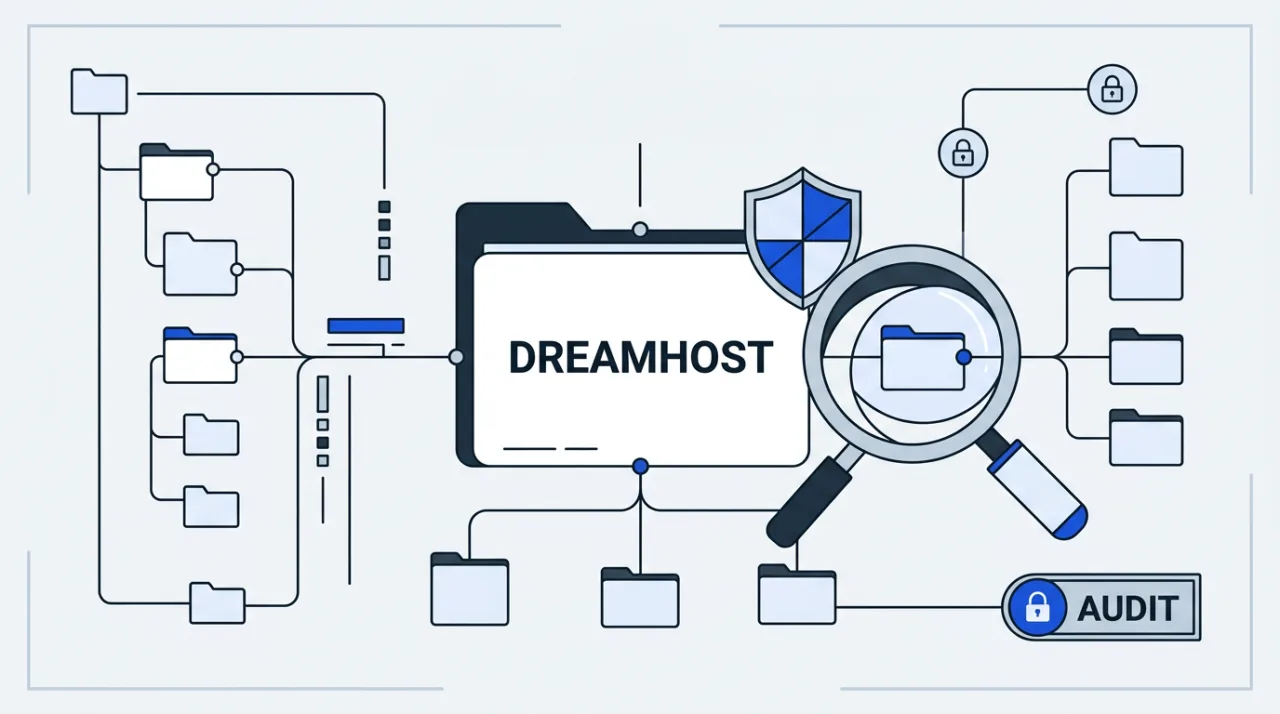
DreamHost experienced unauthorized access to its File Manager server between August and October 2026. The company confirmed the breach on October 23 and contained it within two days. Affected data centered on FTP and webmail credentials rather than core control panel or payment information.
DreamHost Data Breach Scope and Timeline
The incident began around August 15, 2026, when an attacker exploited a flaw in third-party software used by files.dreamhost.com. Access continued undetected until DreamHost identified it on October 23 at approximately 2:00 PM PST. The company took the tool offline immediately and restored a rebuilt version on October 26.
Exposed information included FTP and SFTP usernames and passwords for users who logged in during the window. A smaller set of webmail session tokens and, in isolated cases, mailbox contents or FTP files were also accessed. DreamHost does not store full credit card numbers, and no control panel logins or billing details were compromised. Regulators in California, Washington, and Vermont received formal notices in early November.
The scale remained limited. Washington records list 871 affected residents and Vermont lists 57. DreamHost serves roughly 400,000 customers and 1.5 million websites, so the incident touched well under 10 percent of accounts. The provider retained external forensics experts and rotated internal credentials as part of containment.
Security Certifications and Remediation Steps
DreamHost maintains PCI, HIPAA, SOC 2, GDPR, and ISO 27001 certifications. These standards address data handling and access controls, though the October incident originated from a third-party software vulnerability rather than a failure of those frameworks. The company has stated it will continue broader reviews of customer-facing tools.
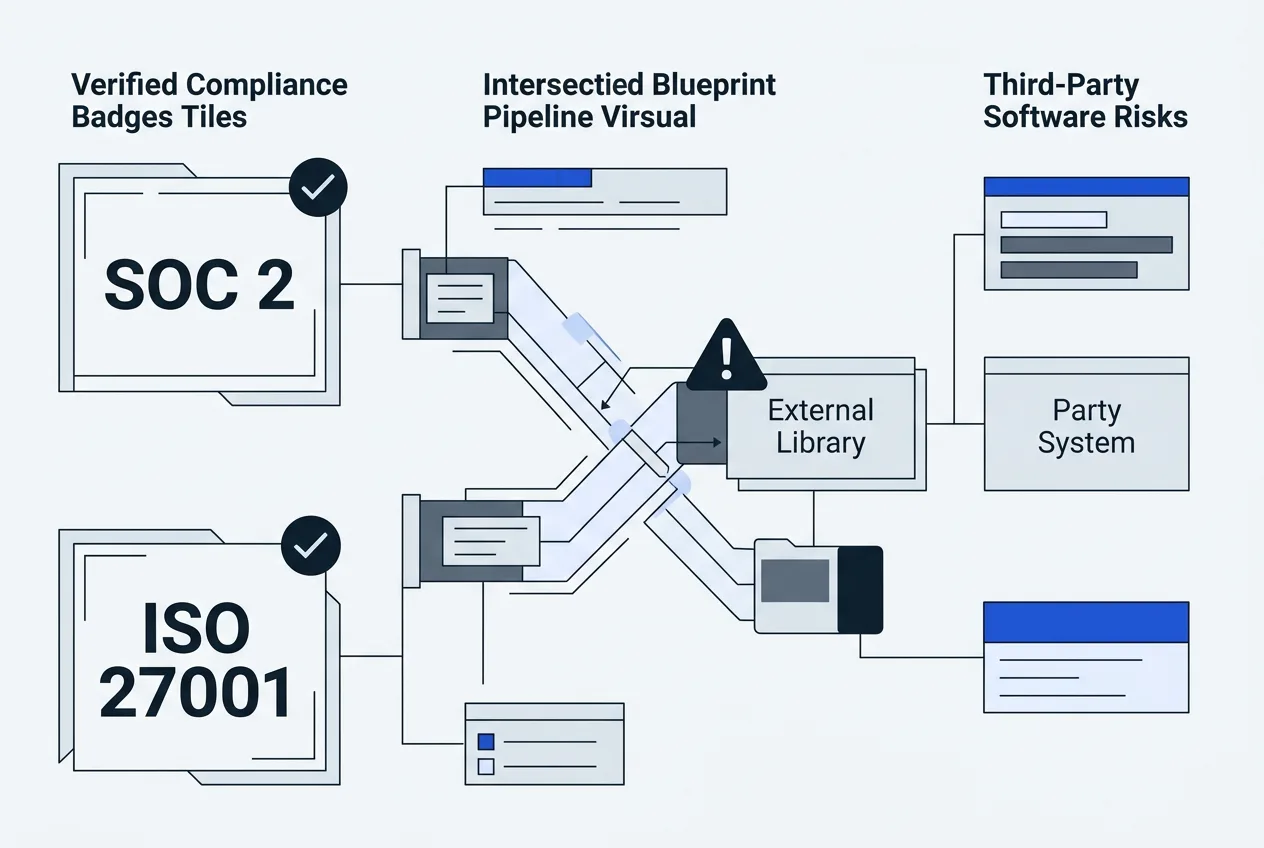
Remediation included terminating active sessions, resetting passwords for potentially impacted accounts, and adding enhanced monitoring to the rebuilt File Manager. Affected users received an offer for one year of free Equifax identity theft protection and credit monitoring. DreamHost filed breach notifications with state attorneys general between November 2 and November 4.
Users should treat any exposed credentials as compromised. Practical steps include changing passwords across all services where the same credentials appear, reviewing website files for unauthorized modifications, checking email forwarding rules, and enabling multi-factor authentication. DreamHost has reiterated that it will never request passwords via email.
| Data Type | Exposure Level | Notes |
|---|---|---|
| FTP/SFTP credentials | Confirmed | Users who logged into File Manager |
| Webmail sessions | Limited | Session tokens and some mailbox access |
| Control panel logins | None | Not accessed |
| Payment details | None | Processed by third parties |
Current Trustworthiness Assessment
As of November 23, 2026, the investigation remains ongoing with no announced lawsuits or settlements. DreamHost published a detailed announcement and notified regulators promptly, consistent with legal requirements. The narrow scope of accessed data and rapid containment reduce the overall risk profile compared with incidents involving full customer databases.
Businesses and site owners evaluating DreamHost should weigh the incident against its long operating history and existing compliance certifications. Continued monitoring of official communications and enrollment in offered identity protection remain the most direct actions for those who received notifications. Regular password hygiene and multi-factor authentication provide the strongest ongoing protection regardless of hosting provider.
Frequently asked questions
What data did the DreamHost 2026 breach expose?
The incident primarily exposed FTP and SFTP credentials along with some webmail session tokens. In a small number of cases mailbox contents were accessed. Control panel logins and payment information remained unaffected.
How did DreamHost respond to the File Manager incident?
DreamHost took the tool offline on October 23, fixed the vulnerability, reset affected passwords, and rebuilt the service with added monitoring. It notified regulators and offered one year of free credit monitoring to impacted users.
Is DreamHost safe to use after the October 2026 breach?
The breach was limited to a fraction of accounts and did not involve core control panel or billing data. DreamHost maintains multiple security certifications and responded within regulatory timelines, though users should still change passwords and enable MFA.
What should DreamHost customers do now?
Change any passwords that match exposed credentials, review files and email rules for changes, enable multi-factor authentication, and sign up for the offered identity protection if notified. Monitor official DreamHost communications for further updates.
TrustScope
Comments 3