
GL.iNet Security Review After November 2026 Cloud Remote-Management Malware Incident
In short
GL.iNet identified a remote-management vulnerability on November 20, 2026. The company released beta firmware fixes and scheduled stable updates for November 22.

GL.iNet security review focuses on the November 20, 2026 disclosure of a vulnerability in the GoodCloud remote-management service. An unauthorized party used the flaw to install malware on a subset of routers and KVM devices before the company closed the access path. Stable firmware updates addressing the issue reached users on November 22, 2026.
Scope and Timeline of the GL.iNet Breach
The attack targeted the glkvm.com infrastructure that powers remote management for GL.iNet routers and KVM units. Once exploited, attackers gained the ability to deploy malicious software that persisted after the initial vector was blocked. Official statements confirm that new infections through this channel are no longer possible, yet already-compromised devices retain the malware until cleaned.
Community reports on the GL.iNet forum documented indicators such as the process string crond -i /tmp/.log and outbound connections to 170.39.226.219. Some infections appear to predate the November disclosure. As of November 21, the community dashboard recorded 482 consolidated reports, of which 145 showed known attack traces. Exact counts of affected devices and models remain under investigation.
GL.iNet issued beta firmware for KVM devices (RM10/RM1 series 1.10.2 and later, RMQ1 1.8.6 and later) immediately after discovery. Stable releases covering both routers and KVM units followed on November 22. The company plans to email individually identified affected customers with device-specific instructions via their cloud account addresses.
GL.iNet Privacy Concerns and User Actions
GoodCloud provides root-level remote access when enabled, an opt-in feature that raises long-standing questions about cloud dependency for a China-headquartered vendor. Users who do not require remote management can disable and unbind the service through the device interface to reduce exposure.
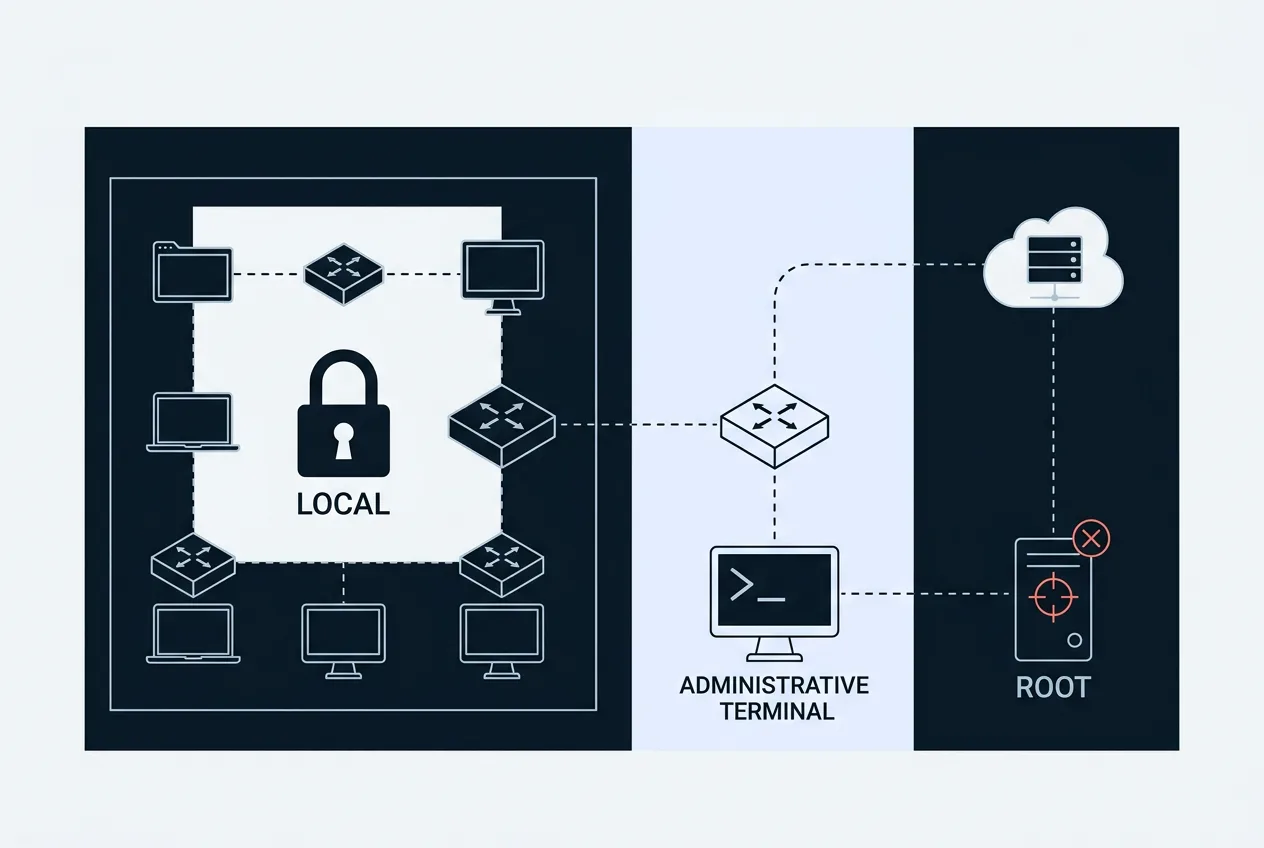
Owners of potentially affected devices should first verify their firmware version against the released betas or stable builds. The recommended verification commands check for the suspicious process string via LuCI, SSH, or the KVM terminal. Confirmed infections require a clean reflash rather than a simple factory reset, according to forum reports.
Users uncertain of their device status can contact support@gl-inet.com. GL.iNet also advises checking any computers connected to infected KVM units. Ongoing monitoring of official forum posts and the company blog remains the primary channel for further advisories as the investigation continues.
Practical Steps After the Incident
Immediate actions reduce the chance of lingering compromise. The following list outlines the sequence most users follow:
- Update to the latest stable firmware released November 22, 2026.
- Disable GoodCloud remote management if unused.
- Run the community-provided checks for the crond process string and unexpected outbound connections.
- Perform a clean firmware reflash on any device showing indicators.
- Monitor email from GL.iNet for device-specific guidance.
These measures address both the immediate malware and the underlying remote-management exposure.
Frequently asked questions
How do I check if my GL.iNet device is infected?
Run the command that looks for the process string crond -i /tmp/.log through the LuCI interface, SSH, or KVM terminal. Compare firmware version against the November 22 stable releases and watch for unexpected outbound connections.
Does a factory reset remove the malware?
Community reports indicate that a simple factory reset may leave remnants. A clean firmware reflash is required for confirmed infections.
Should I disable GoodCloud after the incident?
Users who do not need remote management can disable and unbind GoodCloud through the device settings to limit future exposure.
When will GL.iNet finish investigating the scope?
The company stated that the full extent of affected devices and malware behavior remains under review, with further advisories expected through official channels.
TrustScope
Comments 2