
GitBook Security Review
In short
GitBook faced a targeted credentials exposure in early November 2026. This review details the timeline, exposed data, and actions for users evaluating ongoing trustworthiness.
GitBook security review focuses on the November 2–3, 2026 incident in which attackers obtained infrastructure credentials through an SSO login flaw. The breach allowed limited production access for roughly three hours total and prompted immediate rotation of secrets across the platform. Public documentation stayed reachable for most visitors while the company restored full service within 16 hours.
The attack centered on one customer rather than broad platform compromise. GitBook traced the entry point to a misconfigured GitHub App and followed the chain to a Cloudflare API key and service account credentials. No customer passwords, billing records, or IP addresses were accessed.
Incident Timeline and Technical Details
Unauthorized sessions appeared around 19:00 CET on November 2. The attacker used the gained access to reach internal repositories and production secrets. GitBook’s monitoring flagged the activity at once, disabling the compromised service accounts and taking the application offline.
Full service resumed by 11:56 UTC on November 3. During the outage the company rotated every infrastructure secret, customer-managed API keys, and personal access tokens. Git Sync secrets for connected repositories were also refreshed by the platform.
GitBook published a detailed post-mortem on its status page the same day. The report lists three IP addresses linked to the activity: 94.183.188.91, 45.139.84.195, and 198.251.83.217. The company stated it will strengthen network controls, change-management processes, and monitoring for AI-assisted threats.
Data Exposure and User Recommendations
Potentially exposed items included GitBook API tokens, integration secrets, Git Sync credentials, session signing keys, and authenticated documentation access. Questions sent to the GitBook Assistant were also treated as at risk. No evidence emerged that customer documentation content was altered.
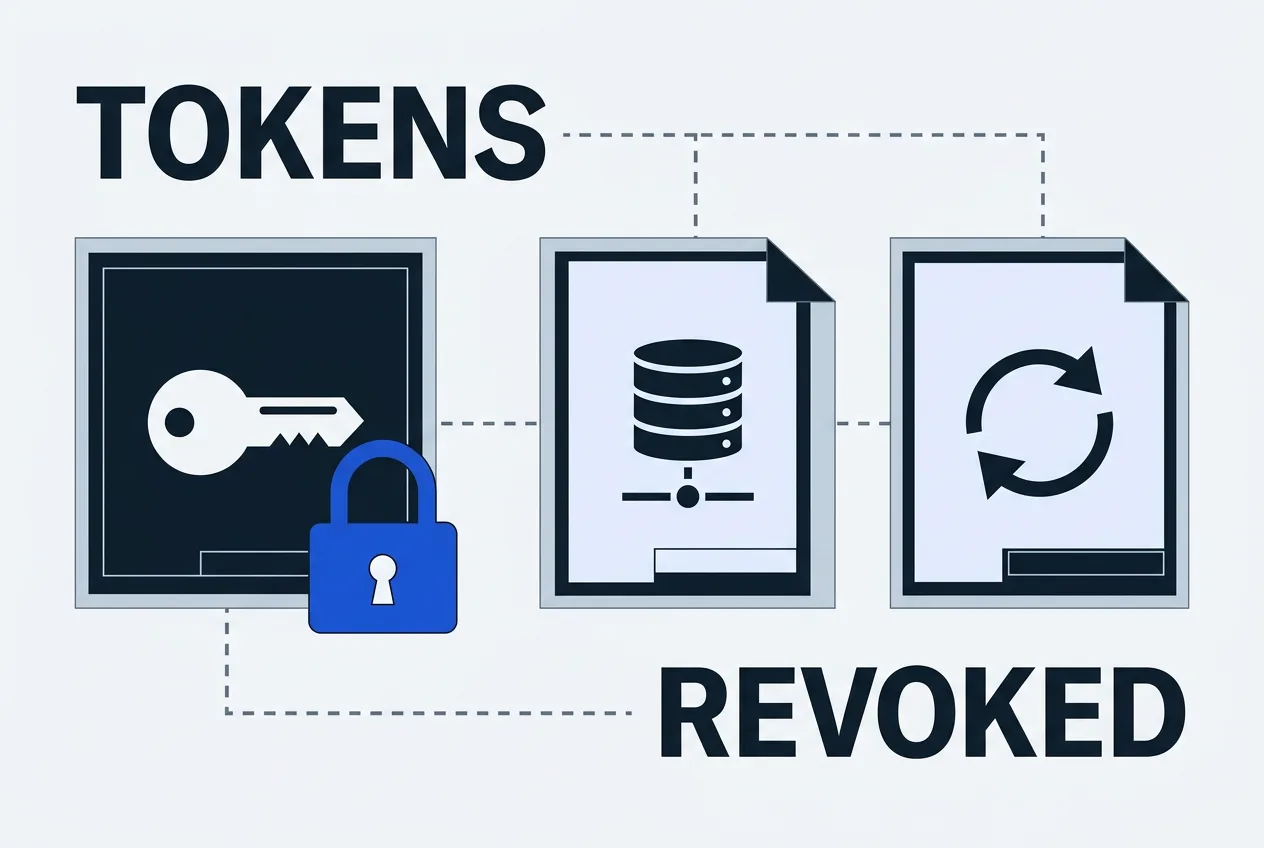
GitBook advised all users to take these steps:
- Generate fresh GitBook API tokens and revoke the old ones.
- Rotate any third-party integration tokens or secrets connected to GitBook.
- Re-authenticate the GitBook MCP server if it was previously used.
- Regenerate authenticated access signing keys where applicable.
- Review application logs for the three listed IP addresses.
GitLab and GitHub keys tied to Git Sync were rotated automatically by GitBook. Users who maintain separate Git Sync connections should verify those repositories directly.
| Data Category | Status | Action Required |
|---|---|---|
| Passwords and billing information | Not accessed | None |
| GitBook API tokens | Potentially exposed | Rotate immediately |
| Integration secrets | Potentially exposed | Rotate per provider |
| Documentation content | No modification detected | Monitor for anomalies |
| IP addresses | Not accessed | None |
Several crypto projects that host documentation on GitBook reported temporary disruptions. PancakeSwap moved its docs to another host after the event. Trade.xyz observed unauthorized edits before restoring control. These cases illustrate the practical impact on teams that rely on authenticated documentation sites.
GitBook continues to host documentation for numerous technical and cryptocurrency teams. The company has committed to sharing further security improvements as they are implemented. Users should weigh the platform’s transparent post-mortem against their own tolerance for recent credential exposure when deciding whether to continue or migrate.
Frequently asked questions
What happened during the GitBook November 2026 incident?
An attacker exploited an SSO login flaw to obtain staff-like sessions and infrastructure credentials. Production access lasted under three hours total before GitBook detected and contained the activity.
Was customer documentation content modified?
GitBook reported no evidence of content changes. The company treated all customer data as potentially exposed and rotated relevant secrets.
What should GitBook users do after the incident?
Users should rotate API tokens, integration secrets, and signing keys. They should also check logs for the three IP addresses listed in the official post-mortem.
Did the breach affect passwords or billing data?
No passwords, billing information, or IP addresses were accessed according to GitBook’s report.
TrustScope
Comments
No comments yet. Be the first!