
Keystone Security Review After October 2026 Website Breach Exposing Buyer Records
In short
The October 2026 breach exposed 25,964 buyer records but left private keys and recovery phrases untouched. Devices shipped before the incident remain verifiable through existing checks.
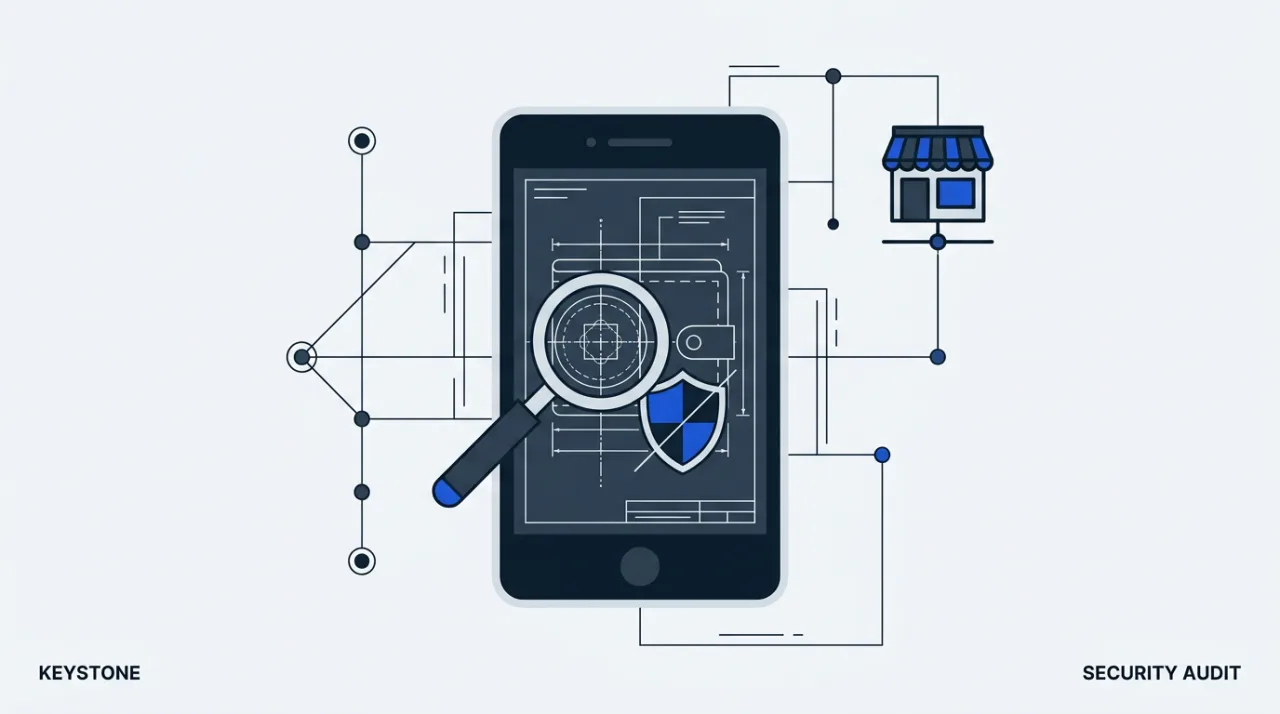
Keystone security review focuses on the October 2026 breach of the company website that exposed buyer records while leaving on-device credentials secure. The incident, detected on October 20 and disclosed publicly on October 24, involved unauthorized access through a third-party monitoring tool. No recovery phrases, private keys, or transaction signing data were compromised.
Buyer records from 2024 through 2026 contained names, addresses, and order details for 25,964 customers. An additional 12,873 incomplete checkout records were also accessed. The attacker obtained a non-rewritable WebAuth key used solely for verifying device authenticity on the keyst.one site.
Details of the October 2026 Breach and Data Exposure
Attackers escalated privileges via a vulnerability in a third-party data tool integrated with the Shopify storefront. Keystone confirmed the scope through API logs by October 23 and notified users by email shortly after public disclosure. The company had retained some records past its stated 180-day policy because an automated deletion script failed without detection.
Payment information, government IDs, and bank details were never stored on the site and therefore remained outside the breach. Amazon and other sales channel data stayed unaffected. The compromised WebAuth key is separate from firmware signing keys and cannot be used to extract funds or seed phrases from delivered devices.
Users should follow these verification steps if they received a device on or after October 20:
- Contact support@keyst.one with the device serial number for authenticity confirmation.
- Run the still-functional authentication check on the official site before initialization.
- Ignore unsolicited messages claiming recalls, migrations, or verification assistance.
Impact on Device Authenticity and User Protections
Devices delivered before October 20 continue to function normally and pass existing authenticity checks. Units shipped later carry a theoretical risk of counterfeit substitution because the original WebAuth key is no longer trusted for new shipments. Keystone has committed to destroying 18,835 unsold devices containing the old key and will resume shipments only after new units with fresh keys are produced.
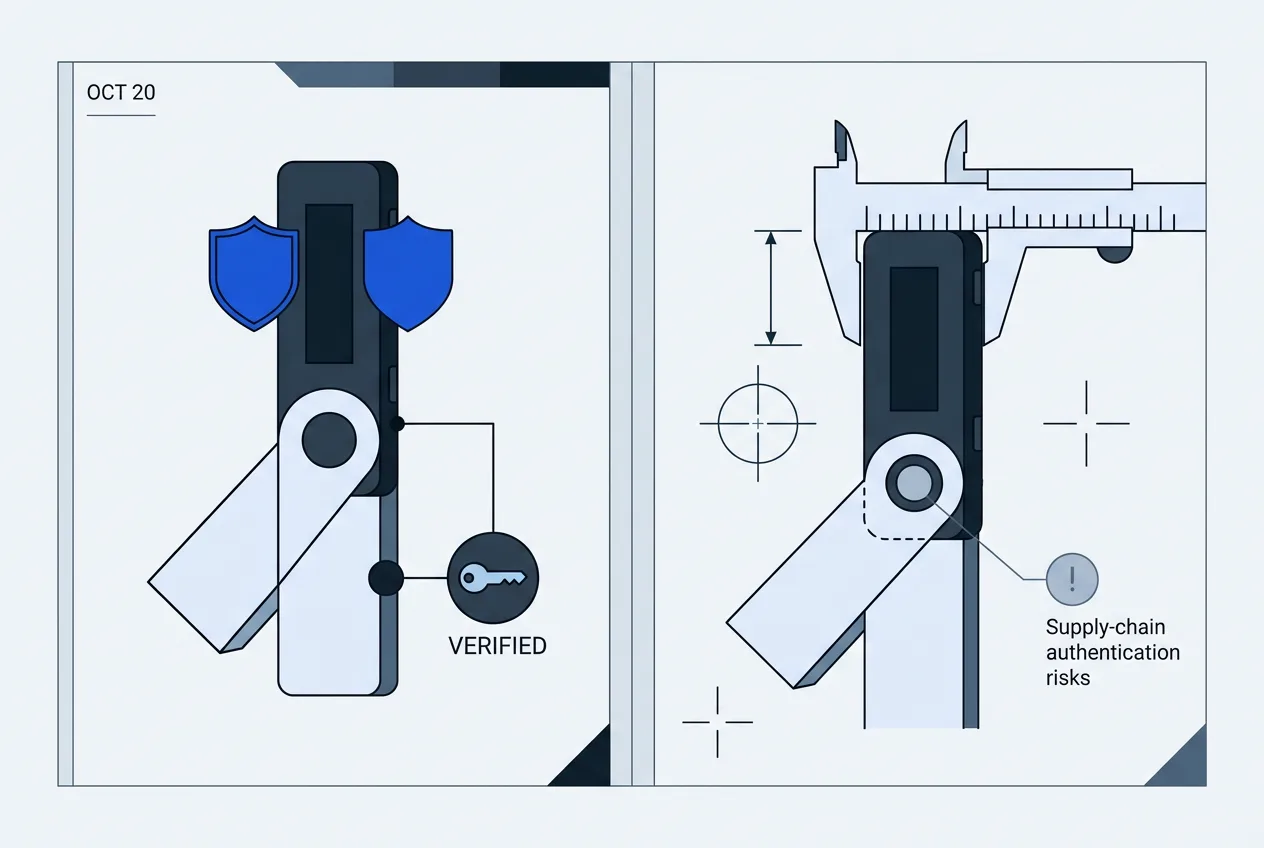
The company shortened its data retention policy to 90 days and requested deletion of qualifying Shopify records, with completion expected around November 3. Regulatory filings were submitted in the EU and UK. No fund losses or confirmed counterfeits linked to the incident have been reported as of November 5.
Current Status and Recommendations for Buyers
Keystone maintains open-source firmware, tamper-evident packaging on several models, and an active bug bounty program. The breach highlights common supply-chain risks across hardware wallet manufacturers rather than a failure of the air-gapped signing process itself.
Prospective buyers should place pre-orders only through official channels and allow the estimated four-to-six-week production window for new-key devices. Existing owners who have not received suspicious communications can continue normal use after completing the support verification step if their unit arrived after the breach date. Ongoing monitoring of the company’s official X account remains the most direct source for shipment resumption updates.
Frequently asked questions
Did the October 2026 breach expose private keys or recovery phrases?
No. The incident affected only website buyer records. Recovery phrases, private keys, and transaction signing functions remained isolated on the hardware devices.
Are devices shipped before October 20 safe to use?
Yes. Units delivered before the breach date retain functional authenticity checks and show no signs of compromise. Owners should still avoid unsolicited support messages.
What should buyers do with devices received after October 20?
Contact Keystone support with the serial number for verification before initialization. The company will confirm whether the unit matches its manufacturing records.
When will new shipments resume?
Keystone plans to resume after producing devices with a new authentication key. Pre-order wait times were estimated at four to six weeks in late October updates.
TrustScope
Comments
No comments yet. Be the first!