
Keystone Wallet Security Review: Verification Key Breach and Counterfeit Risks
In short
Keystone's October 2026 breach exposed a device authentication key, raising counterfeit hardware risks, though no private keys were affected.
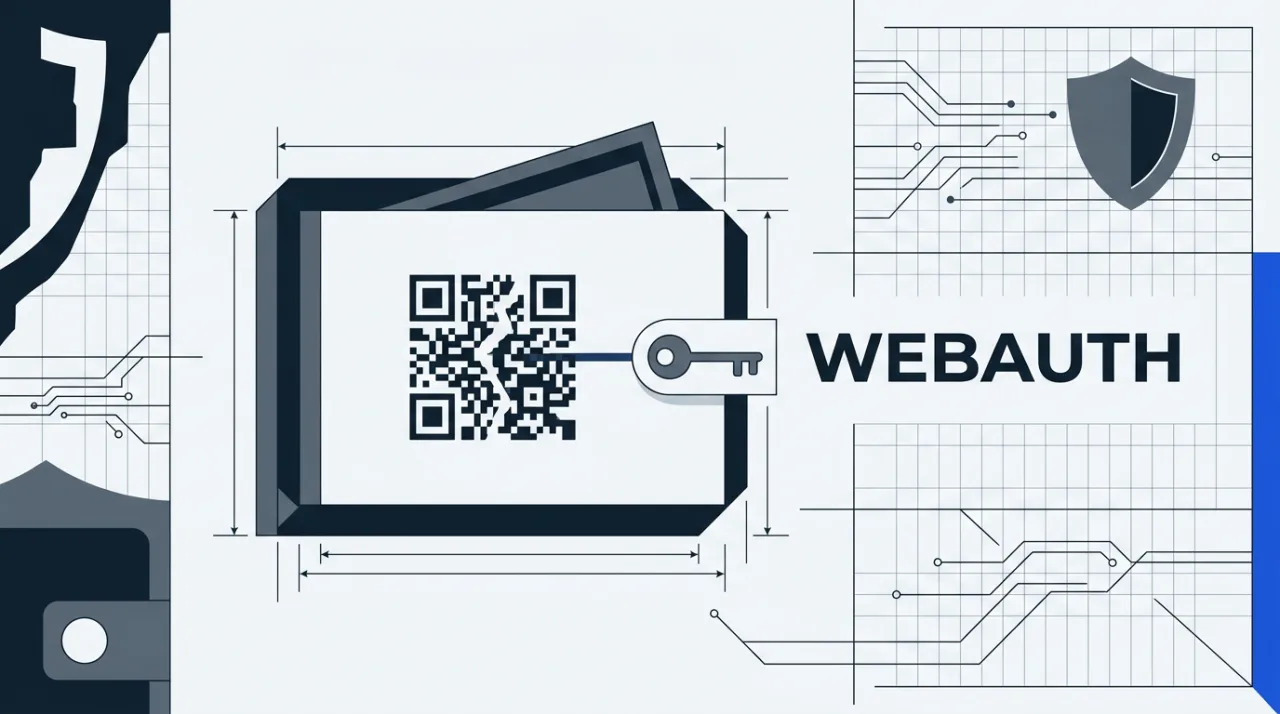
Keystone wallet security review shows that devices produced before October 20, 2026, remain reliable if they pass the official authentication check, while post-breach units require extra verification steps.
The incident centered on unauthorized access to the company website through a third-party monitoring tool. Attackers obtained customer records and the permanent WebAuth key used to confirm device authenticity on keyst.one/authentication.
Details of the October 2026 Website Breach
On October 20, 2026, Keystone identified the intrusion. The stolen WebAuth key is burned into hardware at the factory and cannot be rewritten. It enables the QR-code verification process but plays no role in generating recovery phrases, deriving private keys, or signing transactions.
Exposed data included 25,964 buyer records containing names, contact details, shipping addresses, and order information from 2024 through 2026. An additional 12,873 incomplete checkout records were also accessed. Some records persisted beyond the stated 180-day retention period because an automated deletion process failed.
The breach did not reach any on-chain assets or seed phrases. No thefts of cryptocurrency linked to Keystone devices have been reported.
Counterfeit Device Risks and Company Response
Possession of the WebAuth key allows counterfeit units to pass the official authenticity scan. This creates a supply-chain concern: tampered hardware could potentially capture recovery phrases during initial setup. Devices shipped before October 20, 2026, that pass verification can still be trusted. Units received after that date require direct confirmation with support even if the check succeeds.
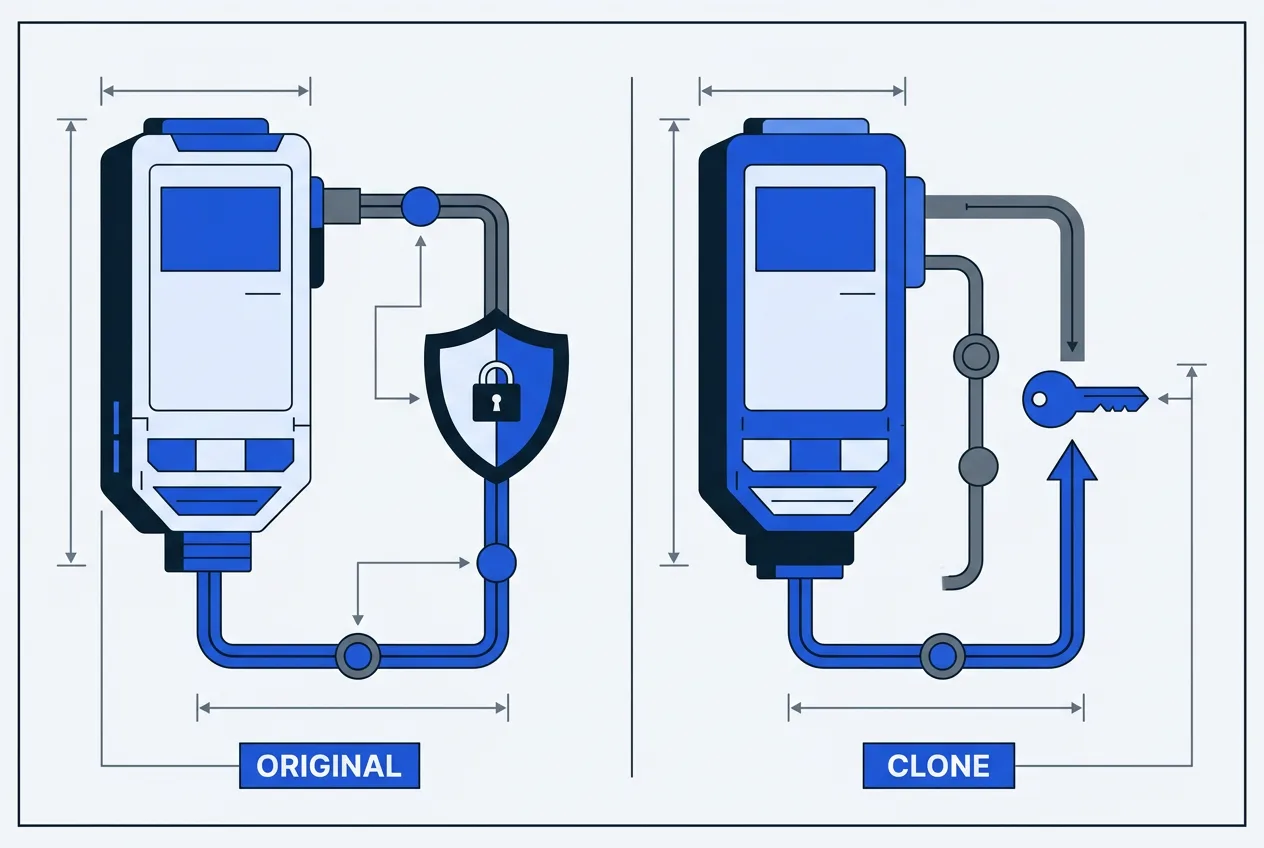
Keystone stated on October 26 that it will destroy 18,835 unsold devices using the old key. The company suspended unshipped website orders and began production of new devices with an updated key. Preorders are accepted until the revised stock is ready, with shipping expected within weeks. The vulnerability has been patched, forensic work continues, and retention periods have been reduced to 90 days.
Users should disregard any unsolicited messages requesting seed phrases or device migration. Contact support@keyst.one for verification of recent purchases. No returns are required for existing devices that meet the pre-breach criteria.
Practical Steps for Current Keystone Users
Run the authentication scan on every Keystone device before first use or after any firmware update. Compare the returned code against the official site. Store the device in its original packaging until verification is complete.
Review account statements and transaction history regularly, even though the breach did not expose signing keys. Enable additional wallet-level protections such as multisignature setups where supported by the 5,500-plus assets Keystone handles.
Monitor official Keystone channels for announcements about new key rollout and updated firmware. Maintain separate records of order dates to determine whether a device falls under the pre- or post-October 20 manufacturing window.
Frequently asked questions
Is Keystone wallet safe after the October 2026 breach?
Devices manufactured and delivered before October 20, 2026, remain trustworthy when they pass the official authentication check. Post-breach units need direct support confirmation even if verification succeeds.
What data was exposed in the Keystone breach?
The incident exposed 25,964 buyer records and roughly 12,873 incomplete checkout records. Names, contact information, shipping addresses, and order details were affected, but no seed phrases or private keys were involved.
Can counterfeit Keystone devices pass authentication now?
The stolen WebAuth key allows potential counterfeits to pass the QR-code check on the official site. Keystone is destroying affected inventory and producing new units with a revised key.
Should users request a replacement Keystone device?
Existing devices that pass verification and were received before October 20 require no replacement. Contact support@keyst.one for any unit received after that date to confirm authenticity.
TrustScope
Comments 2