
302.ai review: Security and privacy after the 2026 data exposure
In short
A public Azure bucket exposed 17.6 million files from 302.ai, including private chat logs. The incident was resolved by September 2026 with no confirmed further access.
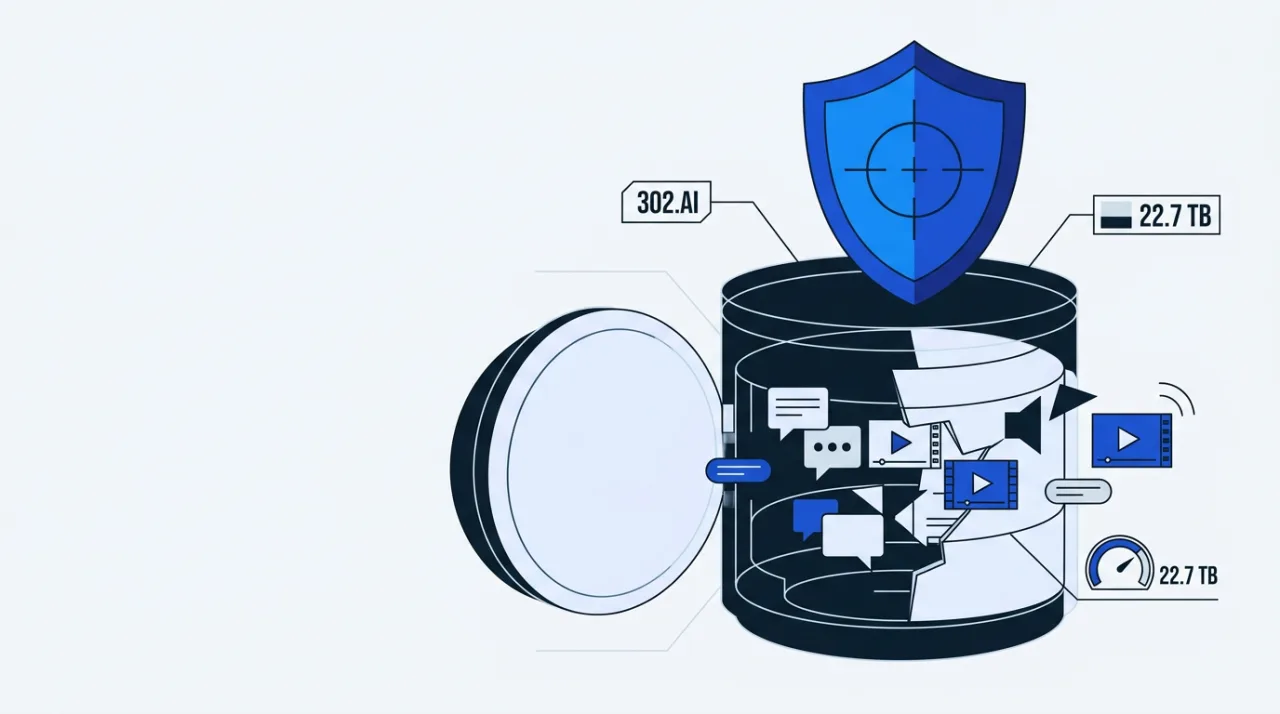
302.ai review shows the platform faced a significant exposure in 2026 when researchers found an unprotected Microsoft Azure storage bucket containing 17.6 million files. The discovery raised direct questions about data handling practices at the Hong Kong-based service that aggregates multiple large language models. Access was later closed, yet the event left users with limited official information on what occurred.
302.ai data leak details and timeline
Researchers at Cybernews identified the open bucket on or before August 2, 2026. It held 22.72 TB of data, mostly AI-generated images, video, and audio files, along with more than 144,000 chat logs stored in JSON format. Each log recorded user prompts, model responses, token usage, timestamps, and metadata. Over 26,000 ZIP archives also contained conversation summaries and attached documents.
The exposure included personal details such as names, birth dates, contact information, and addresses supplied by users in prompts. Corporate records appeared as well, including logs from a customer support chatbot operated by a sex doll manufacturer. No evidence has emerged that external parties downloaded the material before the bucket was secured on September 8, 2026.
Disclosure to the company occurred on August 11, 2026. No public statement, breach notification to users, or remediation timeline has been published by Univerads Technology Limited as of late October 2026. The incident stemmed from a cloud configuration error rather than an external intrusion.
302.ai security review and privacy concerns
The storage of chat histories and user-uploaded files on third-party infrastructure created the conditions for the exposure. Enterprise users face additional risk when sensitive business conversations or customer data pass through the aggregator. Absence of encryption on the exposed bucket and lack of access controls amplified the potential impact.
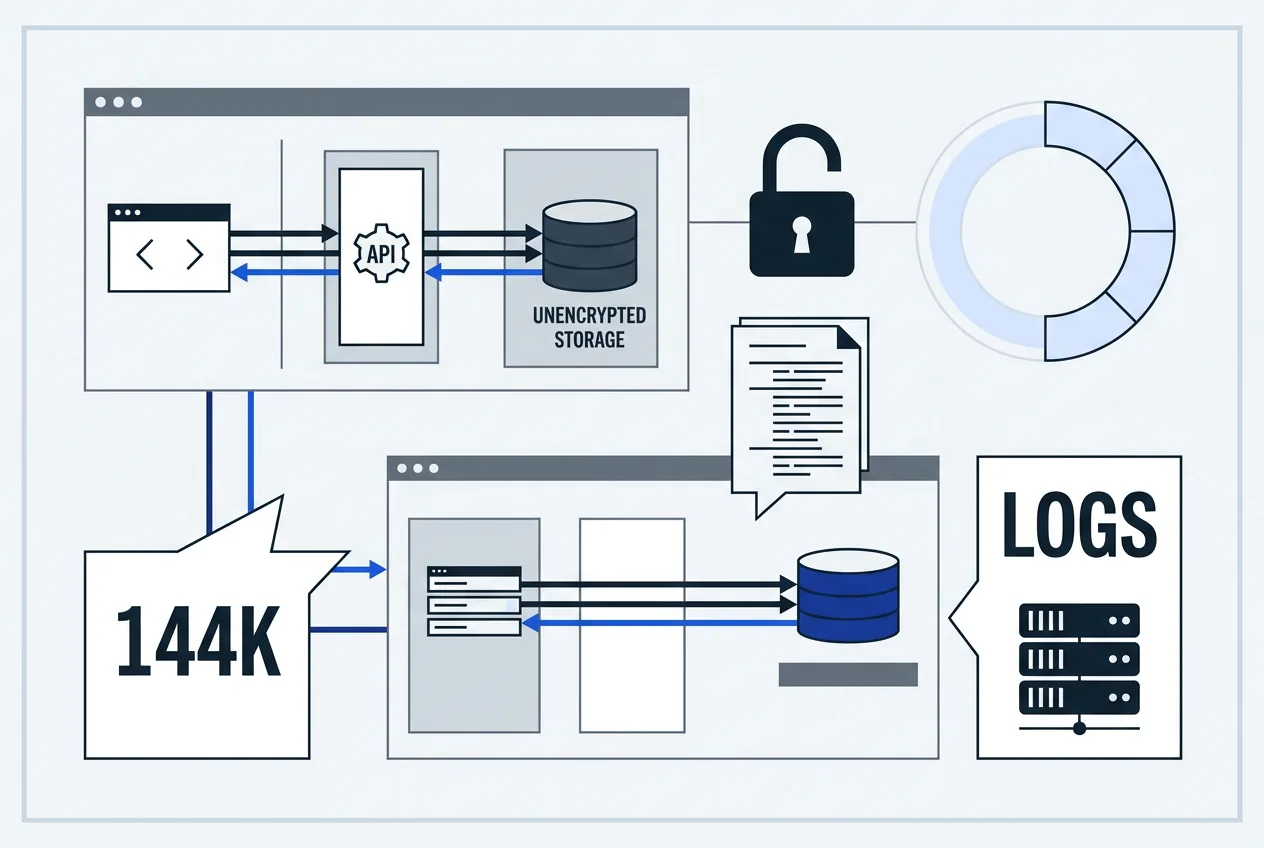
Users who interacted with 302.ai between its 2020 launch and the August 2026 discovery should assume their prompts and any attached files may have been visible. The service provides access to models including ChatGPT, Claude, Grok, DeepSeek, and Gemini through a single interface, yet the incident demonstrates that aggregated access does not automatically include robust data protection.
- Review account activity for any unexpected usage after September 2026.
- Delete stored conversations and uploaded files where the option exists.
- Monitor email and accounts linked to 302.ai for unusual activity.
- Consider rotating API keys if any were used with the platform.
Is 302.ai safe after the incident remains an open question for many prospective users. The company has not released details on changes to storage practices or audit procedures. Independent verification of current security controls is not publicly available.
Practical steps after using 302.ai
Anyone who uploaded documents or shared identifying information should treat those exchanges as potentially compromised. Removing data from the platform and reviewing downstream effects on other accounts provides a baseline response. Continued monitoring for identity theft or targeted phishing remains advisable until clearer information emerges from the operator.
Third-party AI aggregators concentrate risk when they retain full conversation histories without strong safeguards. The 302.ai case illustrates how a single misconfigured bucket can place millions of records at risk regardless of the underlying model providers. Future evaluations of similar services should examine data retention policies and storage configurations before use.
Frequently asked questions
What data was exposed in the 302.ai incident?
The bucket contained 17.6 million files including chat logs with prompts, model outputs, and some user-supplied personal information. Large volumes of AI-generated media and archived conversation summaries were also present.
When was the 302.ai storage bucket secured?
Public access ended by September 8, 2026, after researchers notified the company in mid-August. No subsequent exposures have been reported.
Did 302.ai notify users about the exposure?
No official notifications or public statements from Univerads Technology Limited have been recorded as of late October 2026. Researchers received no detailed response.
Should past 302.ai users take specific action?
Review and delete stored chats, monitor linked accounts for unusual activity, and avoid entering sensitive information into the service until clearer security updates appear.
TrustScope
Comments 1