
Bee-js Security Review After November 2026 npm Supply Chain Incident
In short
The November 2026 incident involved malicious versions of bee-js and Swarm Desktop published through compromised release credentials, leading to wallet key theft attempts.
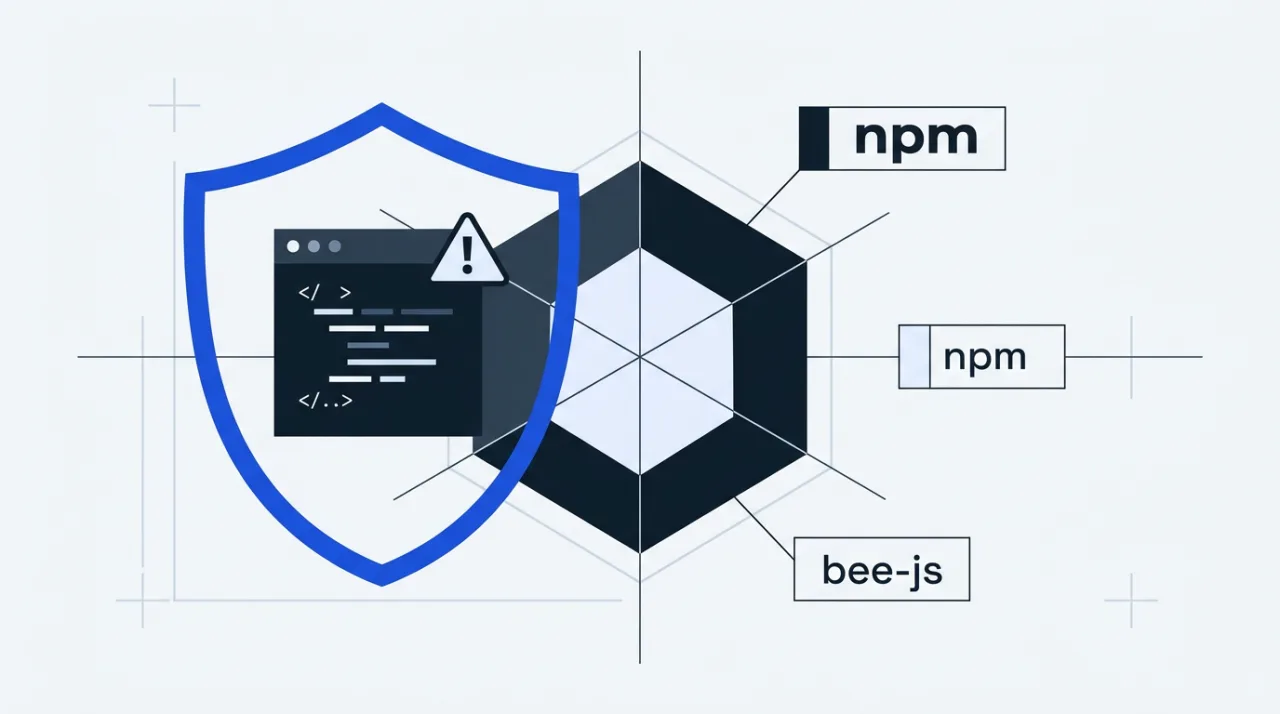
The November 9, 2026 compromise of Ethersphere’s release automation exposed users of @ethersphere/bee-js to a supply chain attack that lasted roughly 75 minutes. Malicious package v13.3.0 reached npm under the project’s own publishing pipeline before removal. Swarm Desktop v0.56.2 carried the same payload and was also withdrawn the same day.
Attackers gained access to the bee-worker CI account and pushed unsigned commits that triggered the standard release process. The resulting artifacts retained valid SLSA provenance, which reduced the chance of immediate detection by automated scanners. Both packages were yanked within hours, and the latest tag reverted to the clean v13.2.0 released on October 15.
Technical Details of the Malicious Payload
The postinstall script in bee-js 13.3.0 and the startup routine in Swarm Desktop 0.56.2 executed code fetched from api.frameworkmetrics[.]xyz. That code used the new Function constructor to run platform-specific JavaScript that located Swarm node configuration files, extracted the swarm.key keystore, and transmitted it along with any plaintext password to an attacker-controlled server. Additional payloads installed a Go-based remote shell on Linux and macOS or a hidden ScreenConnect agent on Windows.
Command-and-control addresses were retrieved from the Ethereum contract 0xf8a900Db50b3331be6B768bA460BB59f3E40C344, previously linked to SleepyDuck and EtherDuck campaigns. The attack surface was limited to users who installed the two affected versions; download counts remained low at approximately ten for the bee-js package and sixty-five for the Desktop build, including security researchers.
No confirmed loss of funds has been reported as of November 10, 2026. The GitHub Security Advisory GHSA-hh7j-5m3j-23pf rates the issue critical and notes that no patched version of 13.3.0 exists on the registry.
Official Response and Recommended User Actions
Ethersphere stated that stolen CI credentials enabled the unauthorized releases and confirmed that version 0.56.3 of Swarm Desktop restores the code from 0.56.1 with a new signing certificate. The project has since added approval gates and branch-protection rules to the release workflow. Investigations continue by StepSecurity, Socket, and SafeDep.
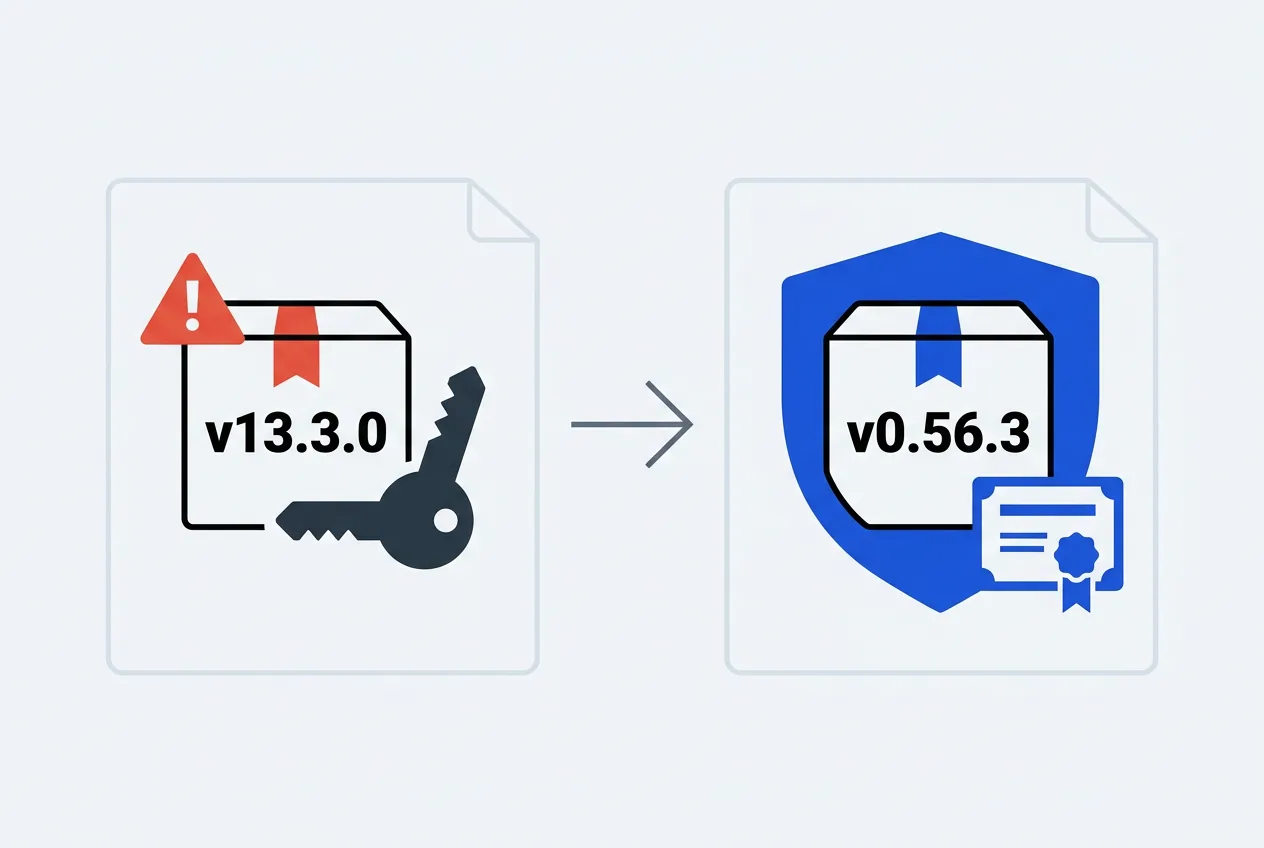
Any system that ran bee-js 13.3.0 or Swarm Desktop 0.56.2 must be treated as compromised. Users should remove the packages, rotate all Swarm wallet keys from a clean environment, move funds and stake to new addresses, and scan for persistence mechanisms such as the Go shell or ScreenConnect service. The package should be pinned to 13.2.0, and Desktop users should update to 0.56.3. Ongoing monitoring of api.frameworkmetrics[.]xyz and official Swarm communication channels remains advisable until further notice.
Frequently asked questions
Which versions of bee-js were affected by the November 2026 incident?
Only version 13.3.0 of @ethersphere/bee-js contained the malicious code. The package was removed from npm within 75 minutes and the latest tag was restored to the prior clean release 13.2.0.
What data did the malicious bee-js package attempt to steal?
The payload targeted Swarm Desktop configuration files and the data-dir/keys/swarm.key keystore, then exfiltrated the wallet credentials and any associated plaintext password to an attacker server.
How can users confirm they are not running the compromised release?
Check installed versions with npm list @ethersphere/bee-js and the Swarm Desktop application version. Pin bee-js to 13.2.0 and ensure Desktop is at 0.56.3 or later. Treat any machine that ran the malicious versions as fully compromised.
Did the attack affect other Swarm-related packages?
Only the two specified releases—bee-js 13.3.0 and Swarm Desktop 0.56.2—were published with the malicious code. No broader ecosystem packages were reported compromised.
TrustScope
Comments 6