
Chainstack Security Review After October 2026 AI-Driven Database Exposure
In short
Chainstack disclosed an October 2026 breach that exposed customer account details and node credentials through misconfigurations. Services stayed online while the company pushed credential rotations.
Chainstack experienced an intrusion in late October 2026 that reached a customer account database through chained misconfigurations in development systems. The company detected the activity on October 31, closed the investigation on November 2, and published an updated report on November 10. No evidence emerged of changes to customer nodes or API endpoints, and all services remained operational throughout.
Chainstack Security Review: Attack Timeline and Methods
The attacker first accessed a development environment on October 26 after connecting to an internet-exposed Grafana instance that used default admin credentials without additional authentication layers. From that point the intruder moved to production systems by November 29 and used an open-source LLM-agent framework called ARTEX to automate further steps. Chainstack cut access paths on October 31 and confirmed on November 2 that the incident involved no software vulnerabilities, only configuration errors such as missing SSO, broad permissions, and long-lived credentials in test environments.
The same pattern appeared across multiple developer platforms in October 2026, where AI-agent tools scanned for exposed administrative interfaces. Chainstack’s own report states that the intruder reached systems holding node credentials but found no proof those credentials were read. Customer node and console data showed no modifications.
Chainstack holds SOC 2 Type II certification obtained in December 2025. The company stated it has removed default credentials from all deployments, restricted internet exposure of administrative tools, and added extra authentication requirements before any tool can access cluster resources.
Data Exposure and Required Customer Steps
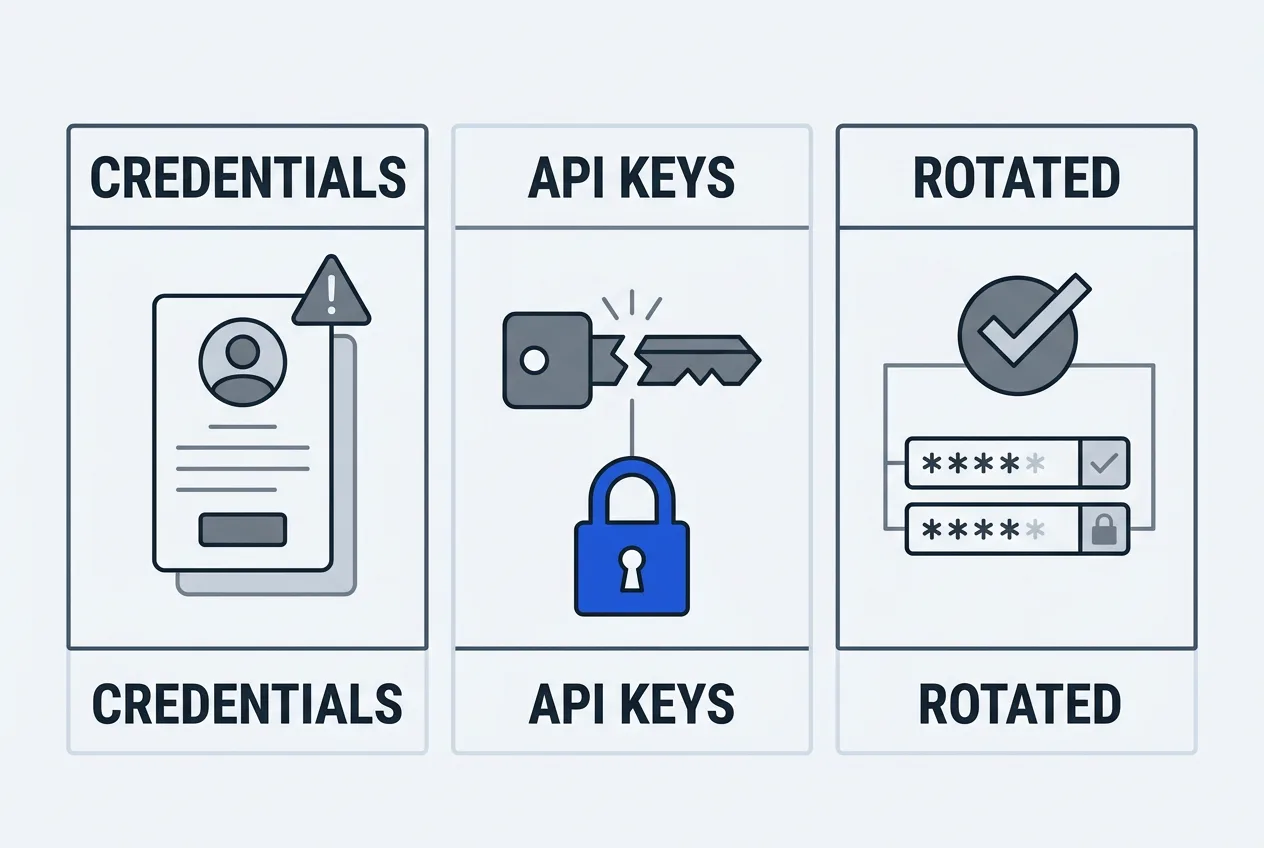
The incident affected organization names, account holder names, member email addresses, and password hashes stored in the customer account database. Systems containing node credentials were also reached, so Chainstack treats those credentials as potentially exposed even without confirmed access. No full payment card details were stored or leaked.
| Data Category | Status | Customer Action |
|---|---|---|
| Account holder names and emails | Accessed | Change password and enable 2FA |
| Password hashes | Accessed | Rotate credentials immediately |
| Node credentials | Potentially exposed | Rotate via self-service console |
| Platform API keys | Potentially exposed | Regenerate if actively used |
Chainstack notified every customer by email and advised completing three steps without delay. First, change the Chainstack account password and any reused passwords on other sites. Second, rotate node credentials through the self-service console; the process keeps both old and new credentials active until the old set is deactivated to avoid downtime. Third, regenerate any platform API keys that were created or used. The company also warned customers to watch for phishing attempts and confirmed it will never ask for credentials directly.
Users should monitor node traffic logs for unusual patterns and complete the rotations before the end of November 2026. Chainstack continues internal hardening work, though no independent post-incident audit has been published as of November 13, 2026.
Background on Chainstack and Ongoing Trustworthiness
Chainstack operates as a B2B provider of blockchain nodes and RPC endpoints. Its infrastructure supports multiple public networks and offers dedicated node deployment for enterprise customers. The October incident did not interrupt service availability or alter customer node configurations.
Trust decisions now rest on how quickly the company completes credential rotations across its customer base and whether future independent reviews confirm the hardening measures. Customers who finish the recommended steps reduce their exposure window. Continued monitoring of official updates from Chainstack remains the most direct way to track further remediation progress.
Frequently asked questions
What data did the Chainstack incident expose?
The breach reached organization names, account holder names, member emails, password hashes, and systems holding node credentials. No full payment card details were involved.
Did Chainstack services stay online during the incident?
Yes. All customer nodes and RPC endpoints continued to operate without interruption while the company investigated and contained the access.
What steps should Chainstack users take now?
Users must change their account password, rotate node credentials through the self-service console, and regenerate any platform API keys. These actions close the remaining exposure paths.
Has Chainstack published an independent audit after the breach?
No independent post-incident audit appears publicly as of November 13, 2026. The company continues internal remediation work and has published its own technical timeline.
TrustScope
Comments 2