
Coinbase Wallet review: Security Assessment for Self-Custody Crypto Storage
In short
Coinbase Wallet operates as a non-custodial hot wallet with private keys stored locally. No confirmed breaches have affected core key storage as of October 2026.
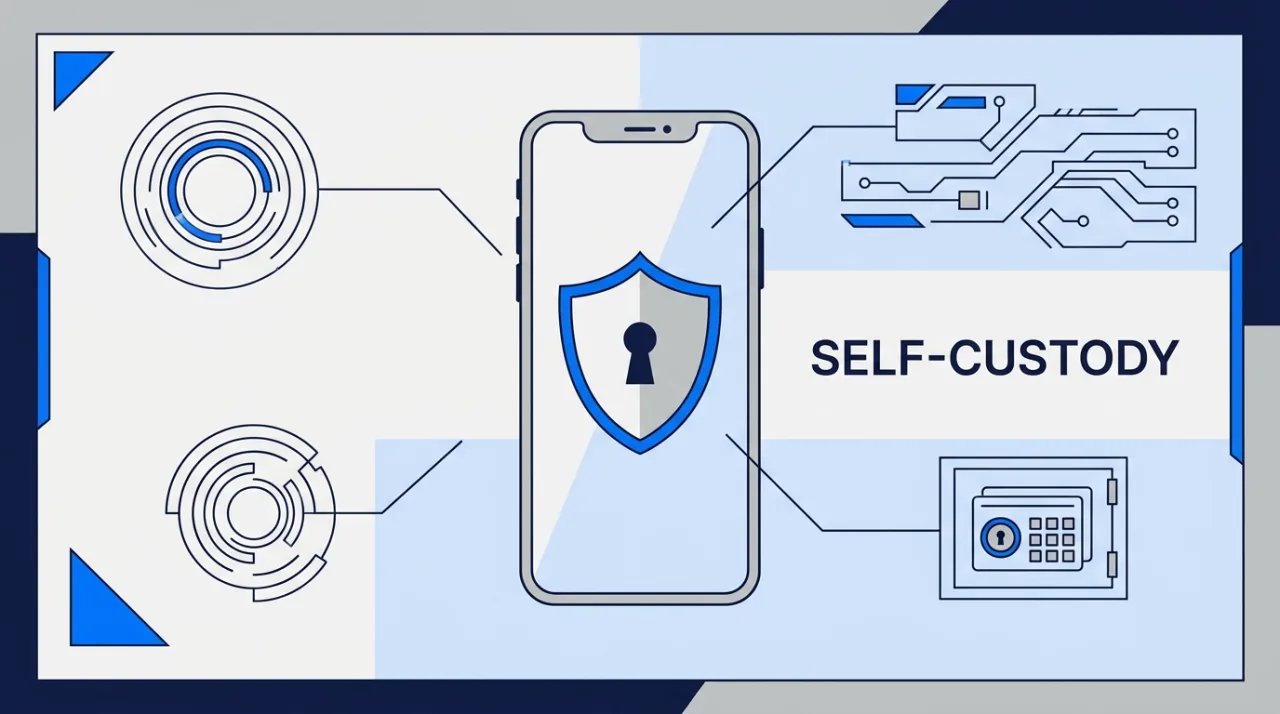
Coinbase Wallet functions as a non-custodial hot wallet where users retain full control of private keys on their devices. Coinbase holds no access to funds or recovery phrases. This structure eliminates centralized custody risks but shifts responsibility for security entirely to the individual.
Coinbase Wallet Security Features and Protections
The wallet generates private keys locally using a 12-word BIP-39 recovery phrase or passkey-based smart accounts. Device-level protection relies on Secure Enclave hardware, biometrics, PIN codes, and app locks. Users can enable optional encrypted backups through iCloud or Google Drive. Transaction previews simulate outcomes before confirmation, while token approval alerts and revocation tools help limit exposure to risky contracts. A built-in dApp blocklist flags malicious sites, and spam token hiding reduces clutter. The browser extension supports direct connection to Ledger hardware wallets for larger holdings.
Smart wallet contracts undergo public audits by firms including Code4rena and Cantina. The underlying SDK and contracts receive partial open-source review. Coinbase maintains a HackerOne bug bounty program that reaches $1 million for critical findings, with an onchain focus expanded in 2025. As of October 2026, no major unresolved vulnerabilities tied to key storage have surfaced in public disclosures.
Practical steps for users include enabling all available device locks, reviewing every transaction preview, and revoking unused approvals regularly. Testing a small recovery phrase backup before storing significant value reduces the chance of permanent loss. Pairing the wallet with a hardware device for holdings above everyday spending limits adds another layer against device compromise.
Documented Incidents, Risks, and Trustworthiness
No confirmed breaches have compromised core private key storage or resulted in widespread user fund losses through wallet flaws. Past issues, such as the 2023 Red Pill preview bypass and a 2025 SDK vulnerability, received patches through the bug bounty program without confirmed mass exploitation. A 2026 privacy leak in extensions was also addressed via updates.
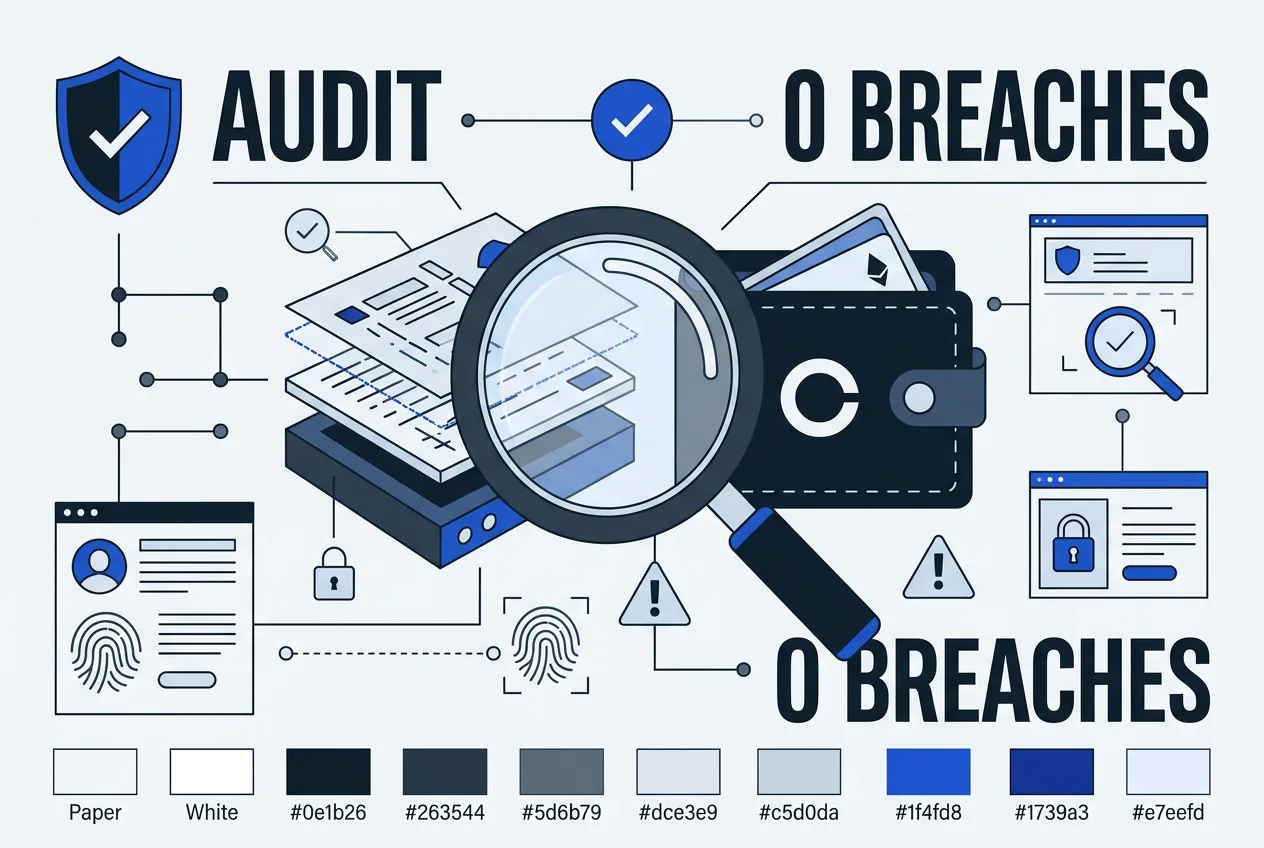
The May 2025 incident at Coinbase involved support contractor data exposure affecting roughly 69,461 users. Information included names, addresses, and partial identifiers, but no passwords, 2FA secrets, or private keys were taken. This data later supported phishing campaigns impersonating the exchange. Because Coinbase Wallet remains separate from the custodial exchange, the incident did not grant direct access to self-custody assets.
Primary risks remain user-driven. Loss or theft of the recovery phrase, malware on the device, or approval of malicious dApp transactions account for most reported losses. The wallet carries no insurance for self-custody funds, and Coinbase cannot recover assets. Independent reviews assign security scores between 3.7 and 4.4 out of 5, noting suitability for daily use but advising against long-term storage of large amounts without hardware pairing.
| Aspect | Details | Implication for Users |
|---|---|---|
| Key Control | Local generation, no Coinbase access | Full responsibility for backups |
| Recovery Options | 12-word phrase or passkeys | Smart accounts reduce seed phrase exposure |
| Hardware Support | Ledger integration in extension | Recommended for larger balances |
| Incident History | No core key breaches to date | Focus remains on user-side threats |
Practical Recommendations for Coinbase Wallet Users
Verify all downloads come from official app stores or the coinbase.com domain. Enable transaction simulation and approval alerts on every device. Limit token approvals to necessary contracts and revoke them after use. Store the recovery phrase offline and test restoration on a secondary device before committing significant value.
Monitor official Coinbase security announcements for updates on bug bounty findings. Use the wallet primarily for active transactions rather than long-term holdings. For amounts exceeding personal risk tolerance, transfer to a hardware wallet while retaining the mobile app for smaller, frequent activity. These steps address the main vectors identified in security analyses through October 2026.
Frequently asked questions
Is Coinbase Wallet safe for daily transactions?
Coinbase Wallet provides device-level encryption, transaction previews, and bug bounty coverage. Most reported losses trace to user error or phishing rather than wallet compromise. Pairing with a hardware device improves protection for repeated use.
Does Coinbase control funds in Coinbase Wallet?
The wallet is non-custodial. Private keys remain on the user's device, and Coinbase cannot access or recover assets. This separation means exchange-side incidents do not directly affect wallet balances.
What happened in the 2025 Coinbase data incident?
Support contractor data for under 70,000 users was exposed, including personal details but no private keys. The event enabled targeted phishing but left self-custody holdings untouched. Coinbase reimbursed certain victims and pursued legal action.
Should large holdings stay in Coinbase Wallet?
Reviews recommend moving substantial amounts to hardware wallets. The mobile app suits active spending, yet long-term storage without additional safeguards increases exposure to device theft or malware.
TrustScope
Comments 1