
Shopify Hosting Review: Performance, Uptime and Data Protection for Online Stores
In short
Shopify delivers managed hosting with 99.9% reported uptime and Level 1 PCI DSS compliance, though performance depends heavily on third-party apps.
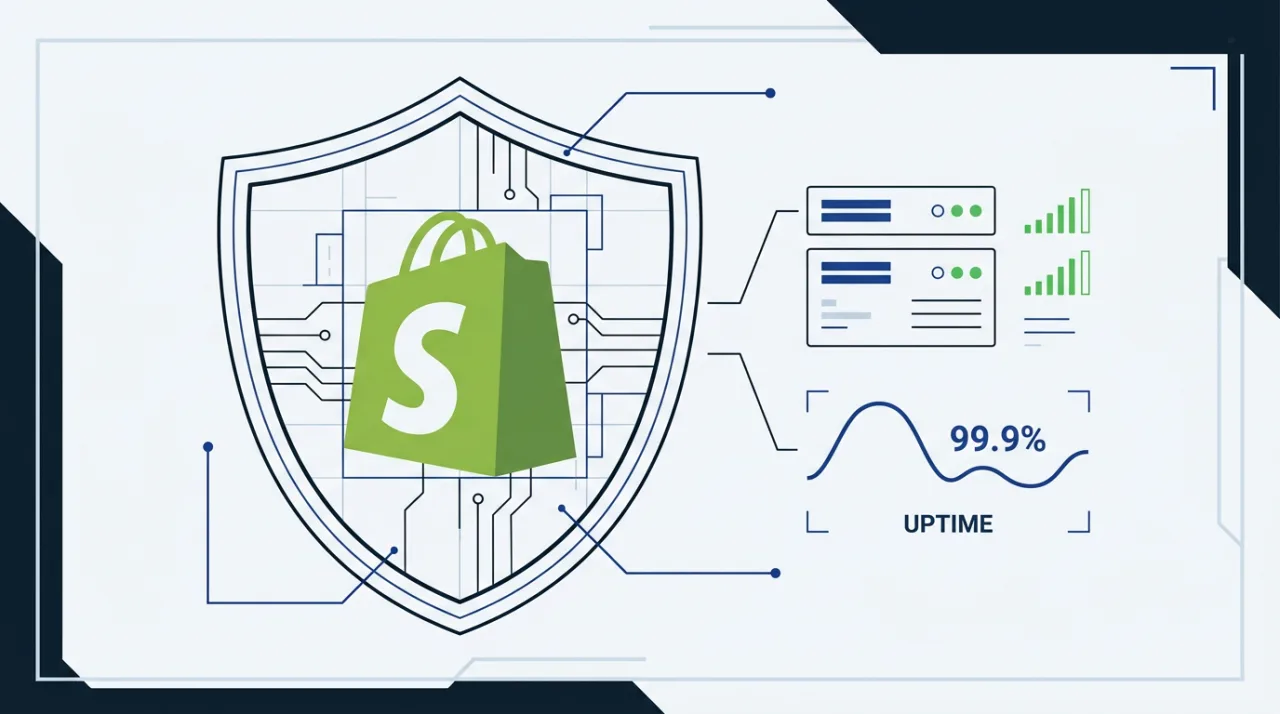
Shopify provides fully managed hosting for e-commerce sites, handling infrastructure, security updates, and scaling so merchants avoid separate server management. Official reports show 99.9 percent uptime across storefront, checkout, and payments services over the past 90 days through October 2026, with Shopify Plus reaching 99.99 percent during peak periods. Independent monitors record slightly lower figures around 99.89 to 99.90 percent when counting major incidents.
Shopify Hosting Review: Uptime Reliability and Incident History
Shopify publishes its uptime metrics on status.shopify.com and excludes third-party outages, theme errors, and planned maintenance from calculations. Third-party trackers such as StatusBird logged two major incidents totaling roughly 124 minutes of downtime in one recent 90-day window, resulting in an A reliability grade. No active outages appeared on the platform status page as of late October 2026.
Merchants using Shopify Plus receive additional guarantees during high-traffic events. The platform runs on global cloud infrastructure with automatic CDN distribution through Cloudflare integration. This setup supports unlimited bandwidth and included SSL certificates without extra configuration from store owners.
Real-world availability can differ when third-party apps or custom themes introduce errors. Regular checks of the official status page help identify whether slowdowns stem from Shopify infrastructure or external factors. The service has maintained consistent platform-level uptime without major core outages reported in 2026.
Performance Metrics and Factors Affecting Speed
Field data from real visitors shows median time to first byte around 406 milliseconds, with 96.1 percent of measurements falling under the 800-millisecond good threshold. Lab-based PageSpeed scores often land lower, typically between 38 and 56 on mobile, largely due to the median store loading 23 third-party scripts or apps. Real visitor largest contentful paint times range from 1.4 to 1.9 seconds depending on the dataset.
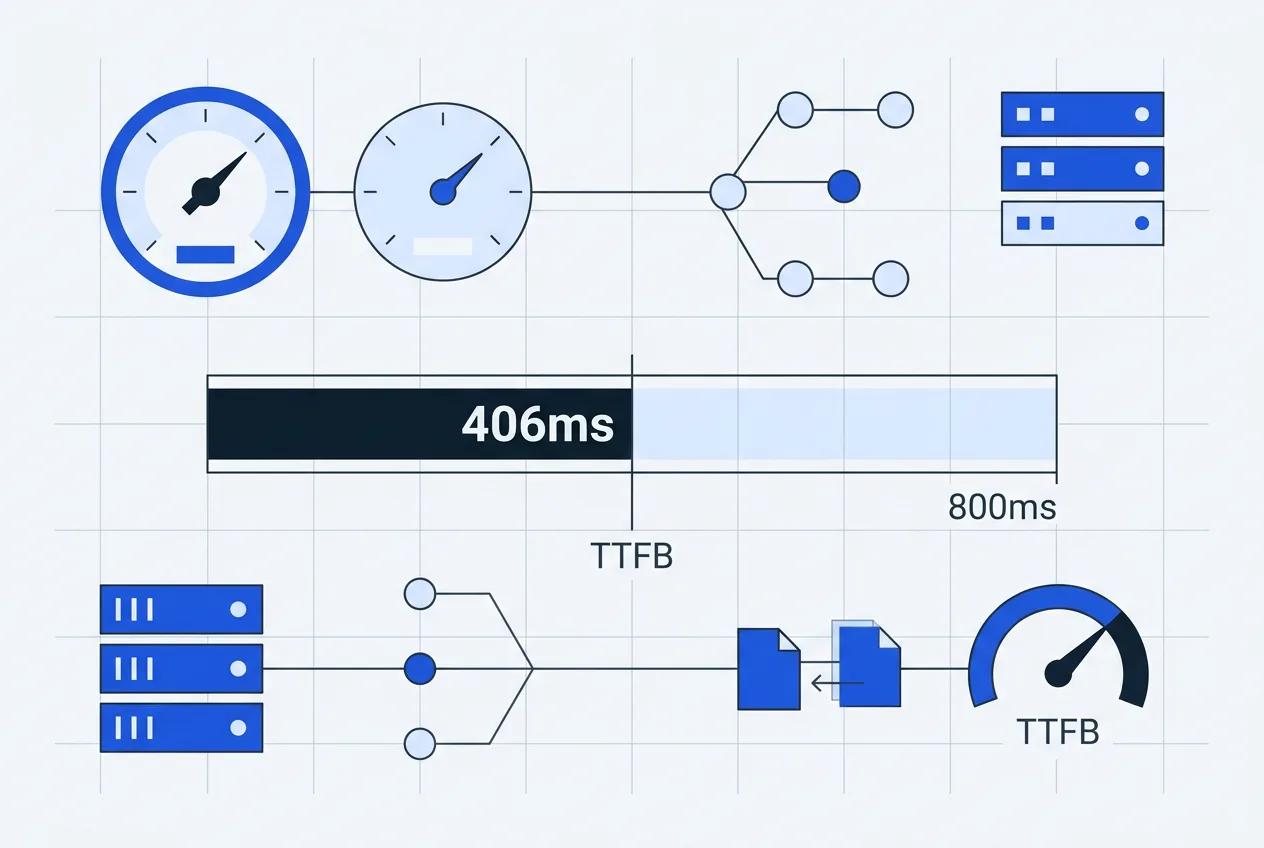
Core Web Vitals pass rates vary: 59 to 95 percent of stores meet targets for LCP, INP, and CLS when measured in the field. Performance improves when merchants limit app installations and optimize images. Shopify automatically serves content from edge locations worldwide, but individual store results depend on theme code and installed extensions.
Merchants can review their own Core Web Vitals through Shopify analytics or external tools. Common optimizations include removing unused apps, enabling image optimization features, and testing checkout flows after updates. Stores with fewer scripts consistently achieve higher field scores.
Security Compliance, Privacy Controls, and Recent App Issues
Shopify maintains Level 1 PCI DSS compliance with an attestation of compliance valid through June 2027 and quarterly ASV scans showing zero failing vulnerabilities. A SOC 3 report covering April 2025 through March 2026 confirms effective controls for security, availability, and confidentiality. Automatic SSL/TLS encryption and platform-level protections apply to all stores.
Shopify operates primarily as a data processor, with merchants retaining controller responsibilities. The company supplies a data processing addendum, updated Binding Corporate Rules from July 2026, and tools for GDPR and CCPA requests including data export and erasure. Merchants must still handle consent collection and review privacy practices of installed apps.
In October 2026, several third-party apps including Hulk Product Options and Swym Wishlist Plus were compromised, leading to fake checkout redirects that stole card details while displaying normal order confirmations to merchants. Shopify removed the affected apps, issued developer guidance, and introduced additional redirect protections. Core checkout systems remained unaffected. Store owners are advised to audit installed applications regularly and test checkout processes after any app changes.
| Metric | Official Report | Independent Monitoring |
|---|---|---|
| Uptime (90 days) | 99.9% | 99.89–99.90% |
| Median TTFB | Not stated | 406 ms |
| PCI DSS Level | 1 (valid to June 2027) | Confirmed via ASV scans |
- Audit all third-party apps monthly and remove unused ones.
- Monitor status.shopify.com for platform incidents.
- Review field performance data rather than lab scores alone.
- Update privacy policies and consent flows to cover app data sharing.
Frequently asked questions
Does Shopify experience frequent downtime?
Official figures show 99.9 percent uptime over recent 90-day periods, while independent monitors recorded roughly 124 minutes of downtime across two incidents in one window. No major core platform outages occurred in 2026.
How does Shopify handle PCI compliance?
The platform holds Level 1 PCI DSS compliance with an attestation valid through June 2027 and passes quarterly scans with zero critical vulnerabilities. Automatic SSL and tokenization apply to all checkout flows.
What caused the October 2026 checkout issues on Shopify?
Compromised third-party apps injected malicious scripts that redirected some customers during checkout. Shopify delisted the apps and added platform protections, leaving the core checkout system unaffected.
Can merchants control data privacy on Shopify?
Merchants act as data controllers and must manage consent, app permissions, and their own privacy policies. Shopify supplies export tools, a DPA, and updated Binding Corporate Rules for transfers.
TrustScope
Comments 1