
Coinone Security Review After November 2026 Outsourced Support Contractor Server Breach
In short
The November 2026 breach at Coinone’s outsourced support provider exposed customer data but left core trading and wallet systems untouched. Users who contacted support should update passwords and monitor for phishing.
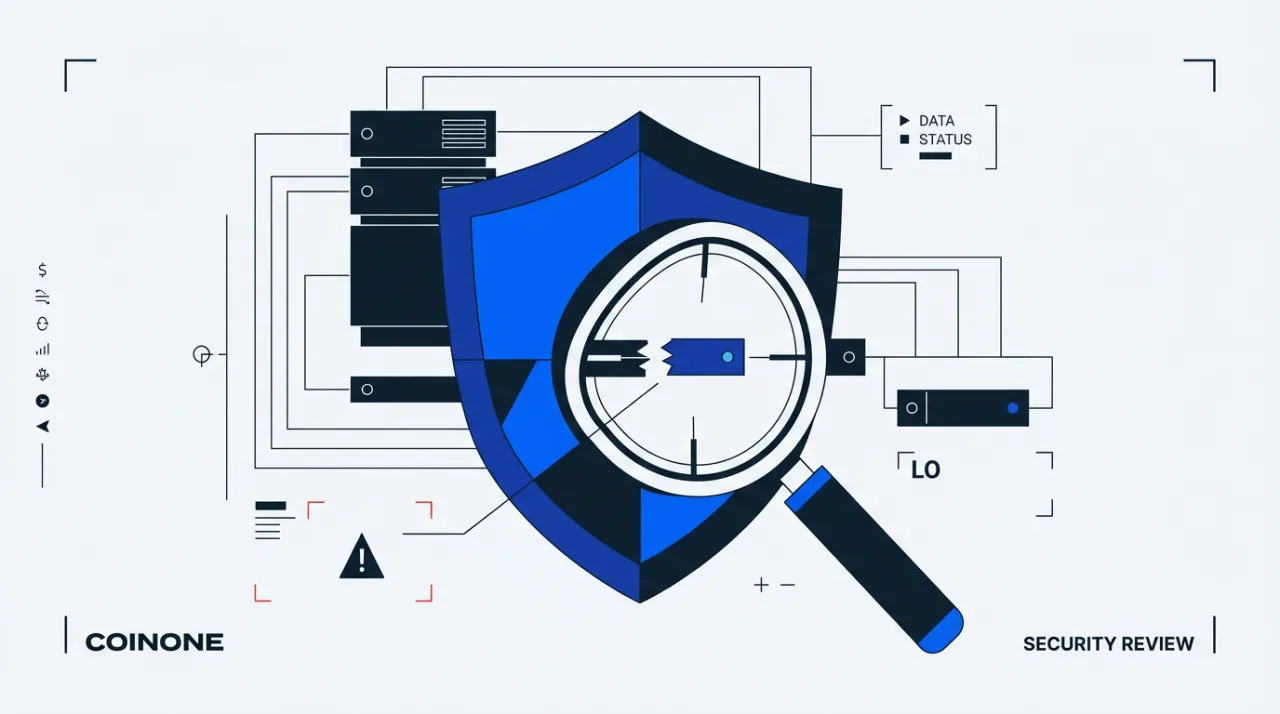
Coinone security review shows that the exchange’s main trading and custody infrastructure remained isolated from the November 12, 2026 incident. An external attacker accessed servers belonging to MetaM, the company’s customer-support contractor in South Korea. Coinone learned of the intrusion around 9:20 a.m. that day and disclosed the event publicly three days later.
Only users who had contacted Coinone support through chat or phone are potentially affected. Customers with no support history face no direct exposure from this event. No confirmed unauthorized withdrawals or trading-platform compromise have been reported as of November 16.
Coinone Security Review: What Data Was Exposed and Scope of Access
The breach at MetaM potentially revealed up to eleven categories of information, depending on the details shared during each support interaction. Exposed fields can include names, phone numbers, email addresses, dates of birth, bank account numbers, passwords, South Korean resident registration numbers, ID issuance dates, home addresses, crypto wallet addresses, and transaction IDs. Exact numbers of affected records remain undisclosed.
Coinone maintains that member accounts, the trading engine, and cryptocurrency wallets operate on separate infrastructure from MetaM’s systems. Login processes continue to require OTP or KakaoTalk two-factor authentication. As of the November 15 notice, investigators have found no evidence that attacker access extended to these core components.
Users who provided passwords during past support sessions should change those credentials immediately on Coinone and anywhere else the same password appears. Individuals should also watch for targeted phishing attempts that reference specific support details, such as calls impersonating Coinone staff requesting OTP codes or wallet changes. The exchange itself does not initiate unsolicited requests for such information.
Response Measures and User Protections
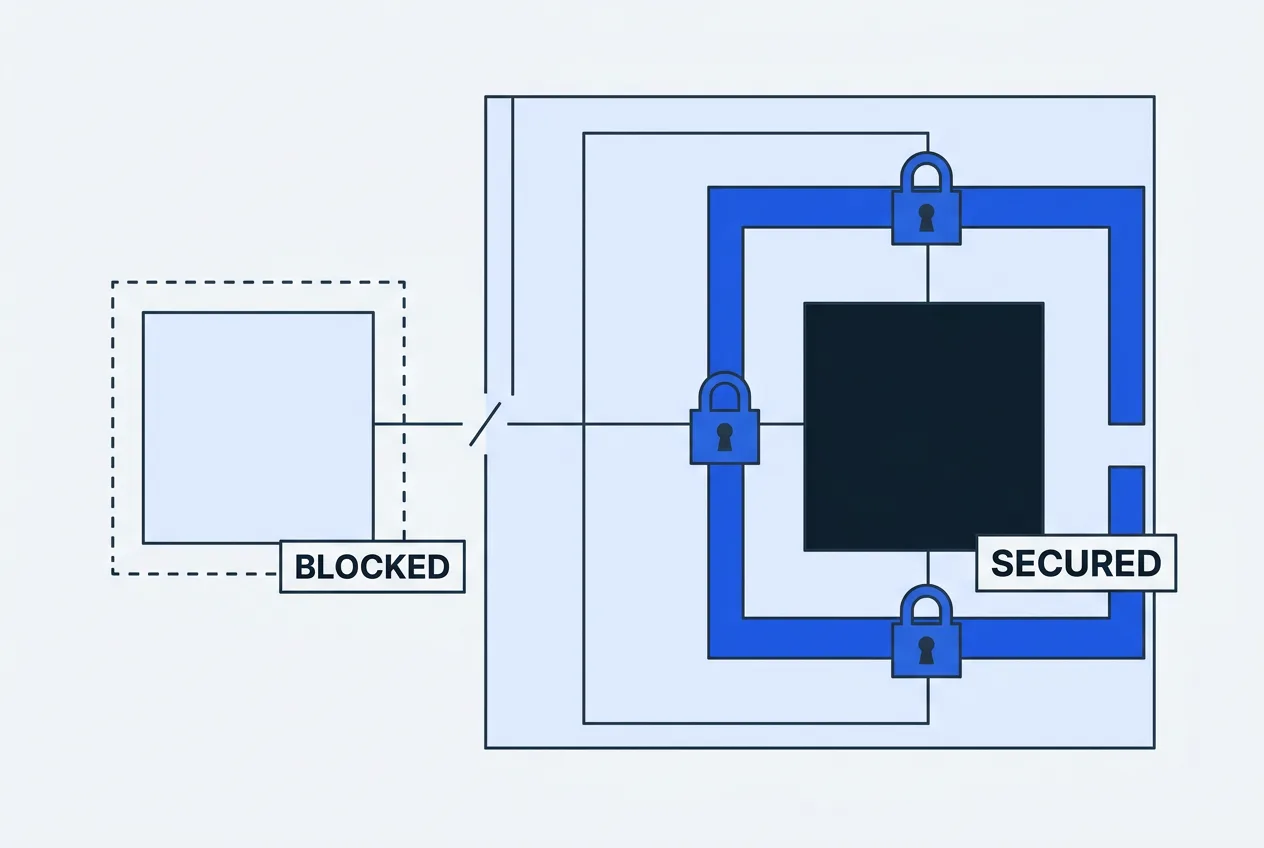
Coinone blocked the attacker’s IP addresses and closed unauthorized access routes on the day of discovery. Support operations shifted to email only while monitoring was increased. The company reported the incident to the Korea Internet & Security Agency, the Personal Information Protection Commission, and the Financial Supervisory Service. Joint investigation with MetaM and external specialists continues.
Affected customers may receive individual notifications or access to a lookup service once the scope is clarified. Under Korean law, users can claim statutory damages up to three million won if personal information was mishandled. Coinone holds current ISMS-P certification valid through December 2027 and ISO 27001 certification through February 2028, both covering its primary systems.
Third-party vendor risk remains a key takeaway. Exchanges frequently rely on external contractors for support functions, yet customer data shared during those interactions can still carry regulatory and operational consequences. Regular password rotation, unique credentials per service, and caution with unsolicited contacts reduce exposure in similar future events.
Frequently asked questions
Which Coinone customers are at risk after the November 2026 incident?
Only those who contacted Coinone support via chat or phone before the breach. Users with no support history are not affected by the MetaM server access.
Did the breach reach Coinone’s trading or wallet systems?
No evidence indicates intrusion into core trading or wallet infrastructure. These systems run on separate servers from the support contractor’s environment.
What should users do if they shared a password during support?
Change the Coinone password right away and update any reused passwords on other sites. Enable or verify OTP or KakaoTalk 2FA and monitor accounts for unusual activity.
Will Coinone notify every affected customer?
The exchange plans individual notices or a lookup tool once the investigation determines exact exposure. Regulatory filings with KISA and the Personal Information Protection Commission are already underway.
TrustScope
Comments 9