
Finaxis.cloud Security Review After Alleged 400GB Data Exposure in October 2026
In short
Claims of a 400GB Finaxis.cloud data exposure remain unverified as of late October 2026. This review examines the details and what users should monitor.
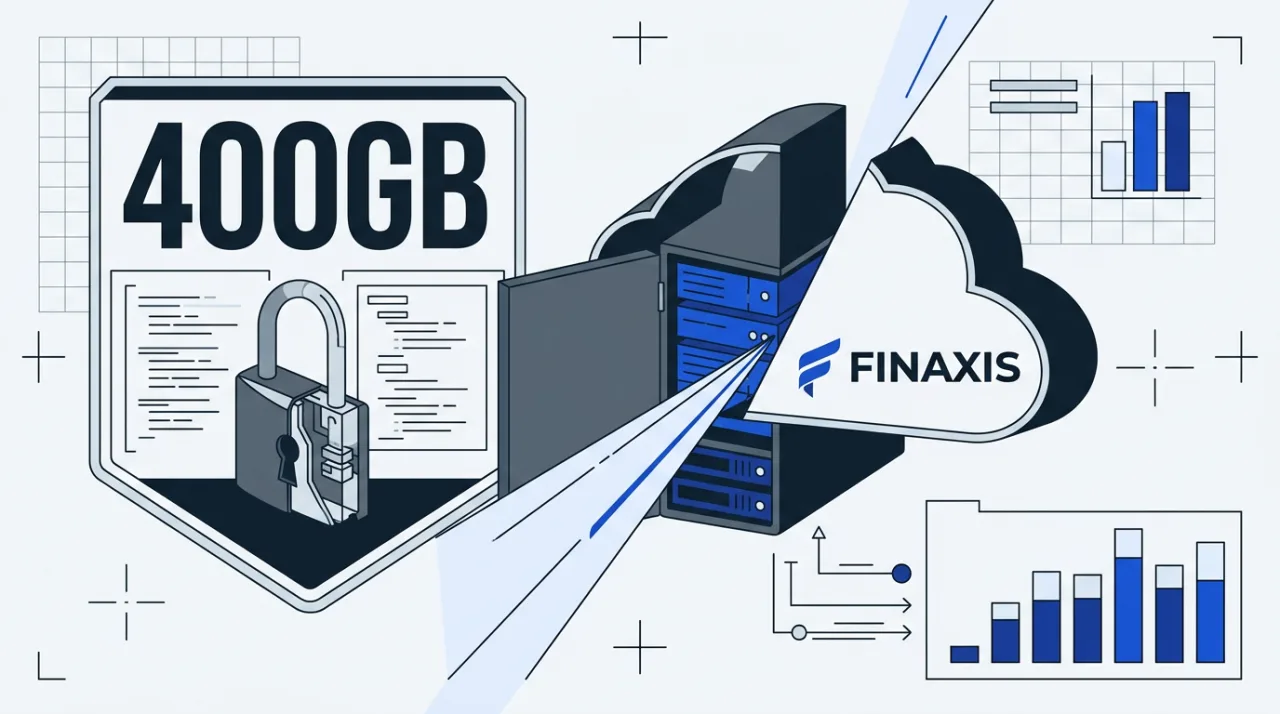
Reports from threat intelligence sources describe an alleged 400GB dataset from Finaxis.cloud advertised on dark web forums around October 26, 2026. No independent verification of the breach, data authenticity, or company confirmation exists at this time. The situation leaves users of the payment gateway with limited confirmed information.
Details of the Alleged Incident
Threat actors posted offers to sell a dataset they attributed to Finaxis.cloud, a platform focused on payment processing for high-risk sectors such as iGaming. The advertised contents included source code, lists of merchants and partners, contacts for P2P agents, financial statements, and banking details. Pricing was listed at $15,000 for the full set or separate components at lower amounts. The posts referenced an alleged refusal to pay ransom demands prior to the data appearing for sale.
All public reporting frames these claims as unverified. No samples have been released for forensic review, and no regulatory filings or company statements have surfaced. Separate monitoring by threat intelligence firms continues, with attention on whether partial samples or additional listings appear in coming days.
Users should track their own systems for signs of credential reuse or targeted phishing that could follow if any portion of the claimed data proves real. No confirmed timeline for remediation has been issued because the incident itself has not been authenticated.
Company Background and Prior Reputation
Finaxis.cloud operates as a specialized payment gateway with a domain registered in November 2025. Its infrastructure uses Cloudflare DNS and Let's Encrypt certificates, with hosting indicated in the UAE. Pre-incident scans from June 2026 assigned moderate trust scores around 60 out of 100, noting the relatively new domain while finding no widespread malware or phishing associations at that time.
The service integrates with platforms such as Corefy and targets merchants in regulated or high-risk verticals. Public records show no prior confirmed security incidents tied directly to Finaxis.cloud before the October 2026 claims. Separate warnings exist about unrelated entities using similar names in investment schemes, but those do not connect to this payment platform.
Absence of an official response leaves open questions about incident handling procedures and data retention practices. Partners relying on the gateway for transaction routing should review their own access logs and API key rotation schedules as a precaution.
Practical Steps for Current Users
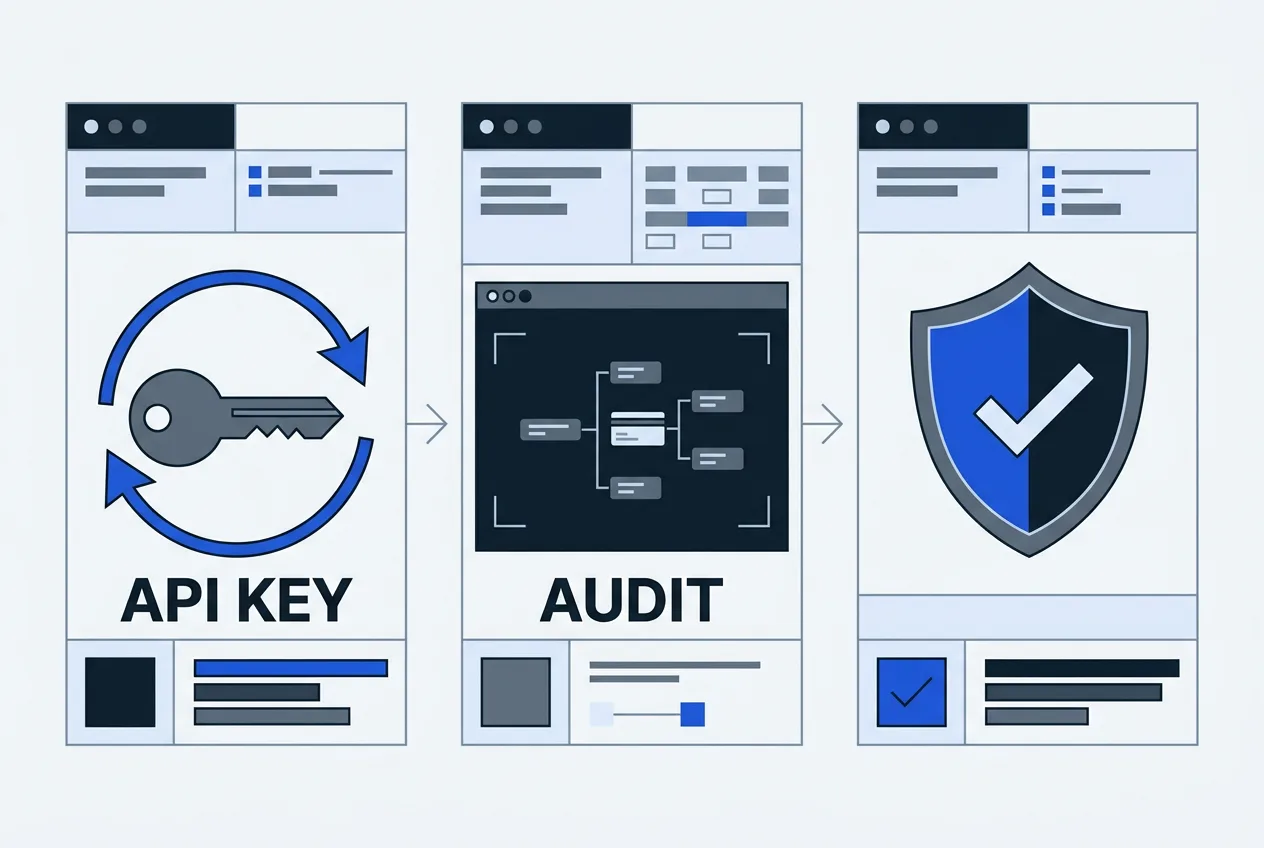
Organizations using Finaxis.cloud can begin by auditing all credentials and API keys associated with the service. Rotate any keys that have been active for more than 90 days and monitor transaction logs for anomalies that might indicate misuse of merchant or partner data.
Implement additional logging around payment flows and set alerts for unusual access patterns from partner accounts. Maintain updated contact lists for direct outreach to the provider once any official channel becomes available.
- Review integration documentation for any stored P2P contact information that might overlap with the claimed dataset categories.
- Cross-check financial records against statements received directly from the gateway to spot discrepancies.
- Document all communications with the provider for potential regulatory follow-up.
Decision makers evaluating new integrations should compare Finaxis.cloud against established alternatives that publish regular security attestations and maintain clearer incident response histories. Ongoing monitoring by threat intelligence platforms remains the primary source of updates until the company issues its own statement.
Frequently asked questions
Is Finaxis.cloud safe?
No confirmed breach has been established. The October 2026 claims remain unverified, and the company has not issued any public statement. Users should treat the situation as unresolved and continue monitoring for updates from threat intelligence sources.
What data types were mentioned in the Finaxis.cloud claims?
Posts referenced source code, merchant lists, P2P agent contacts, financial statements, and banking details. None of these items have been authenticated through independent samples or forensic analysis.
Has Finaxis.cloud responded to the allegations?
No official statements or regulatory notices have appeared as of October 30, 2026. Absence of a response leaves partners without a defined remediation path at present.
What should users do while verification is pending?
Rotate API keys, audit access logs, and watch for targeted phishing attempts. Maintain records of any unusual activity that could relate to the claimed dataset categories.
TrustScope
Comments
No comments yet. Be the first!