
Foundation Passport Review: Security After October 2026 Phishing Campaign
In short
Foundation Passport hardware stayed secure after the late October 2026 incident, though attackers accessed customer data and launched phishing emails.
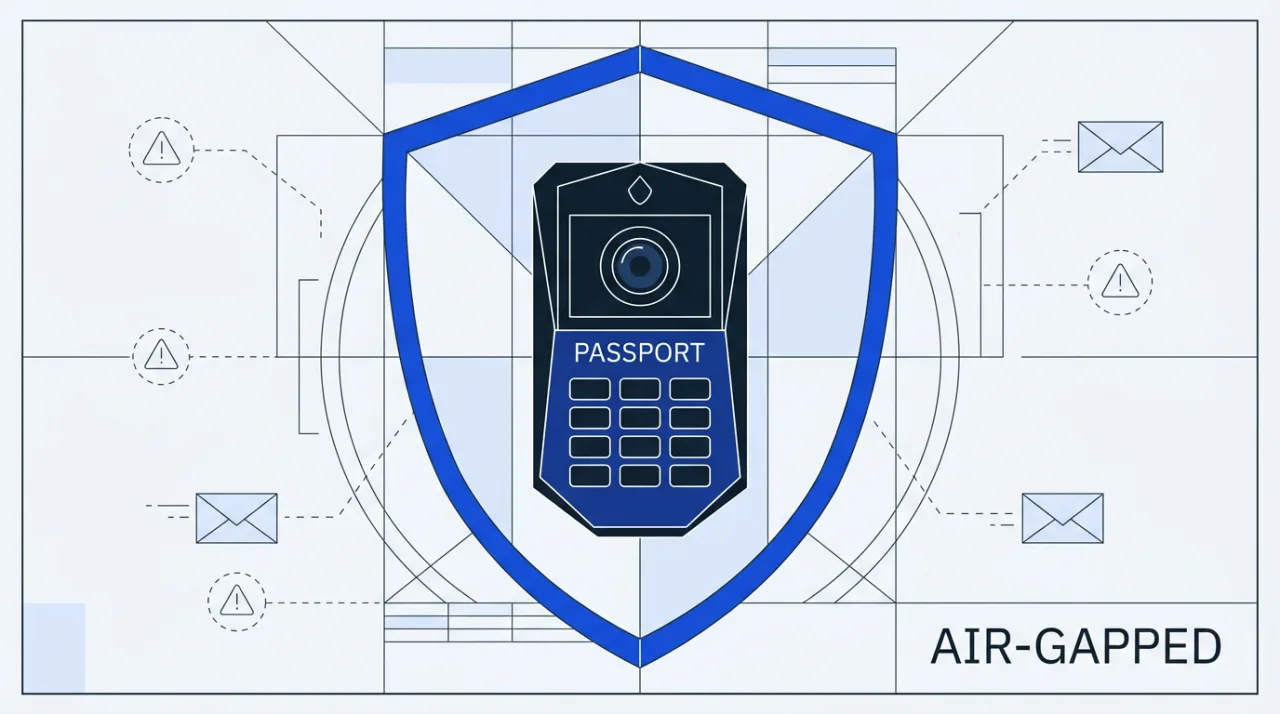
Foundation Passport review shows the Bitcoin hardware wallet itself remained untouched after a backend compromise in October 2026. Attackers obtained limited customer records and sent phishing messages, yet no private keys or funds on devices were at risk. The company responded within minutes of detection and confirmed devices and firmware stayed intact.
Timeline of the October 2026 Backend Compromise
Attackers first entered systems around October 21 through a vulnerability in a self-hosted Cal.com booking application. They then used another flaw in Bank-Vaults software to reach HashiCorp Vault credentials and gain access to support inboxes and Google Workspace. Historical customer records became visible, and Cloudflare API keys were taken to facilitate email sending.
Phishing emails began on October 25 and targeted more than 21,000 addresses with over 23,000 sending attempts. Messages used real Foundation addresses and the name of CEO Zach Herbert to claim a display module issue required seed phrase entry on fake sites. Foundation detected the activity at 11:05 p.m. ET, revoked the keys, removed malicious subdomains, and isolated affected systems within roughly ten minutes.
Records reached by the attackers included about 5,600 mailing addresses and 5,200 phone numbers from legacy WooCommerce data that had not been fully redacted after a May 2026 migration to Shopify. Full payment card numbers were never stored. More than 5,000 targeted emails came from sources outside Foundation customer lists, such as support or hiring inboxes.
Data Exposure and User Protection Steps
The exposed information allowed attackers to craft convincing messages that included some real purchase and shipping details. Emails directed users to sites mimicking the Envoy app and requested recovery phrases. Foundation stated it will never ask for recovery phrases and advised users to ignore any unsolicited contact claiming otherwise.
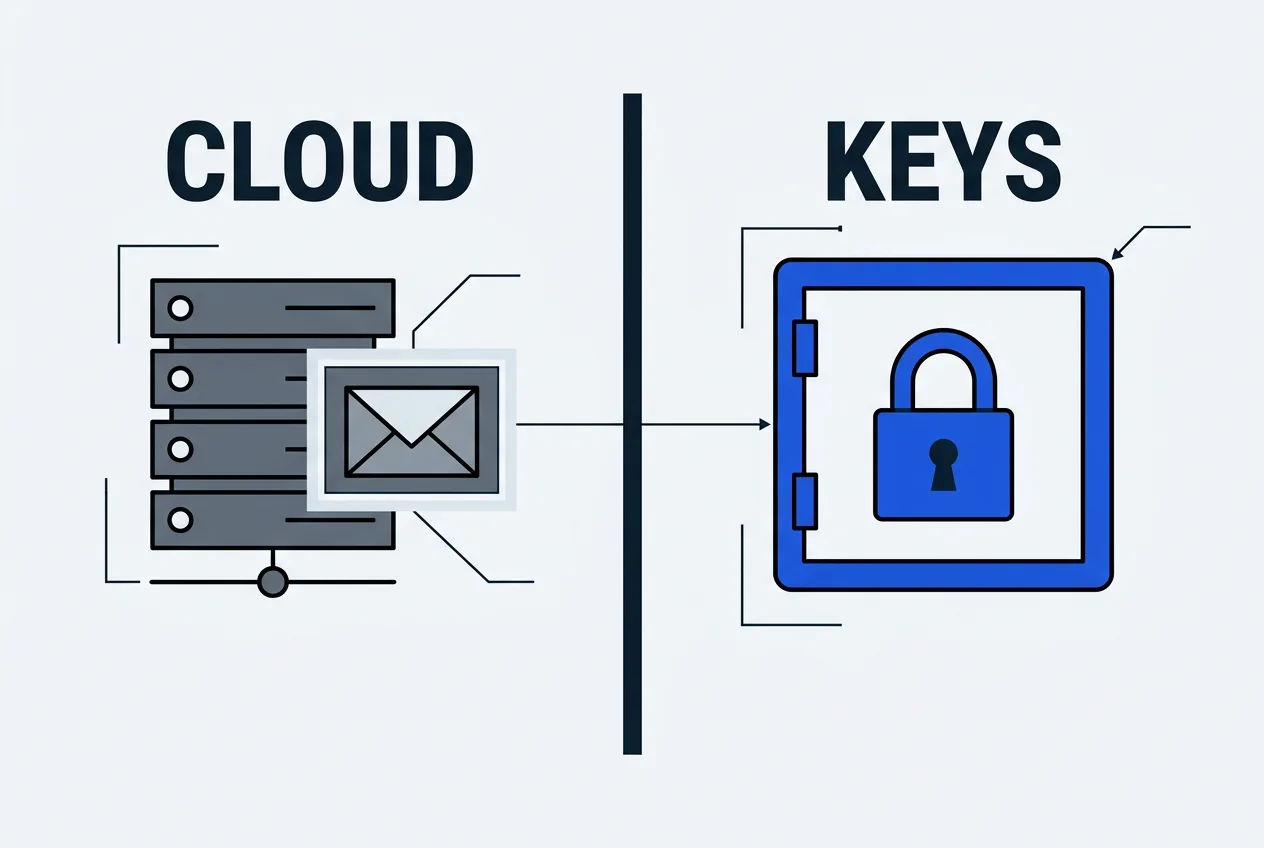
Users who shared a seed phrase with any site should move funds to a new wallet immediately. Those who received calls or emails offering device replacements should verify all communication only through official channels at foundation.xyz. No evidence shows that Passport devices or their firmware were altered during the incident.
- Never enter a recovery phrase on any website or app prompted by email.
- Confirm all updates and support requests directly on the foundation.xyz domain.
- Monitor accounts for unusual activity and rotate any reused passwords.
- Consider moving funds if personal details appeared in phishing messages.
Foundation has retired legacy self-hosted services, rotated all credentials, and begun migrating infrastructure to managed platforms such as Cloudflare Workers. The company published a detailed report on November 5 outlining these changes and ongoing investigations into data overlap with external sources.
Current Status and Ongoing Risks
As of November 12, 2026, the Passport hardware wallet continues to function as an air-gapped device with prior third-party audits showing only low-severity findings. Private keys remain on the device and are never transmitted. The phishing campaign used a combination of stolen internal records and external data, and some scam messages continued from unrelated domains afterward.
Foundation has warned customers that investment scams unrelated to the breach are also circulating. The incident highlighted the importance of limiting data retention and securing self-hosted tools that connect to customer information. Users should treat any request for seed phrases as fraudulent regardless of how authentic the message appears.
Frequently asked questions
Did the October 2026 incident affect Passport device firmware?
No. Foundation confirmed that devices, firmware, and stored private keys remained unaffected. The compromise was limited to backend systems and customer support records.
What data did attackers obtain during the breach?
Attackers accessed legacy records containing roughly 5,600 mailing addresses and 5,200 phone numbers plus names and emails. Full card numbers were never stored by the company.
Should users move funds after receiving phishing emails?
Users who entered a recovery phrase on any linked site should transfer funds to a new wallet. Those who did not share seed information can continue normal use while staying alert for follow-up scams.
How can users verify official Foundation communications?
All genuine messages come only through foundation.xyz. The company has stated it will never request recovery phrases via email or phone.
TrustScope
Comments 8