
Maileva Security Review After November 2026 Data Breach Disclosure
In short
The November 2026 disclosure revealed that a mid-September cyberattack on Maileva exposed names and addresses of 22 million people. This review outlines confirmed facts and security implications.
Maileva, operated by Docaposte as a La Poste subsidiary, suffered a cyberattack in mid-September 2026 that led to the theft of names, first names, and postal addresses belonging to approximately 22 million individuals. The incident affected several thousand client organizations that use the platform to send documents such as payslips, invoices, and registered letters. Public confirmation of the scale came nearly two months later, on November 13–15, 2026.
Details of the Maileva Data Breach
Suspicious activity began around September 9, 2026. Maileva detected unauthorized access attempts and suspended services on September 23 before restoring them on September 29. The company initially described the issue as account abuse for fraudulent mailings rather than a full data exfiltration event.
The attack exploited an application flaw to reach production and tracking systems. Attackers obtained roughly 39 million mailing references before deduplication. Maileva processes about 180 million documents annually for more than 70,000 users, including businesses, hospitals, laboratories, and social housing providers. Many affected individuals had no direct account with the service.
Confirmed stolen data includes only first and last names plus postal addresses of recipients. Company statements indicate no bank details were accessed. Some client-specific records showed additional fields such as sender usernames, recipient gender from tracking databases, invoice numbers, care dates, and amounts due in payment reminders from certain organizations like Hôpital Foch.
Maileva Response and Current Status
Maileva notified all affected client organizations and filed a criminal complaint. The Paris prosecutor’s office opened a judicial investigation for an attack on an automated data-processing system. The company also notified the French data protection authority CNIL. No data alteration or destruction was detected.
Clients remain responsible for notifying their own recipients. Several organizations, including social landlords and medical laboratories, issued separate alerts highlighting increased phishing and fraud risks. As of November 18, 2026, the judicial investigation continues without a publicly identified perpetrator, and CNIL oversight remains active.
Maileva described the incident as a complex attack. No public information has been released on independent security audits, remediation timelines, or specific technical fixes implemented after the event. Heightened vigilance for phishing campaigns using the leaked contact details is expected in coming months.
Security and Privacy Implications
The breach underscores supply-chain risks for organizations that rely on third-party document delivery platforms. Because Maileva holds recipient data on behalf of clients, exposure reaches individuals who never interacted directly with the service. Document contents themselves are not stored long-term by Maileva in most cases.
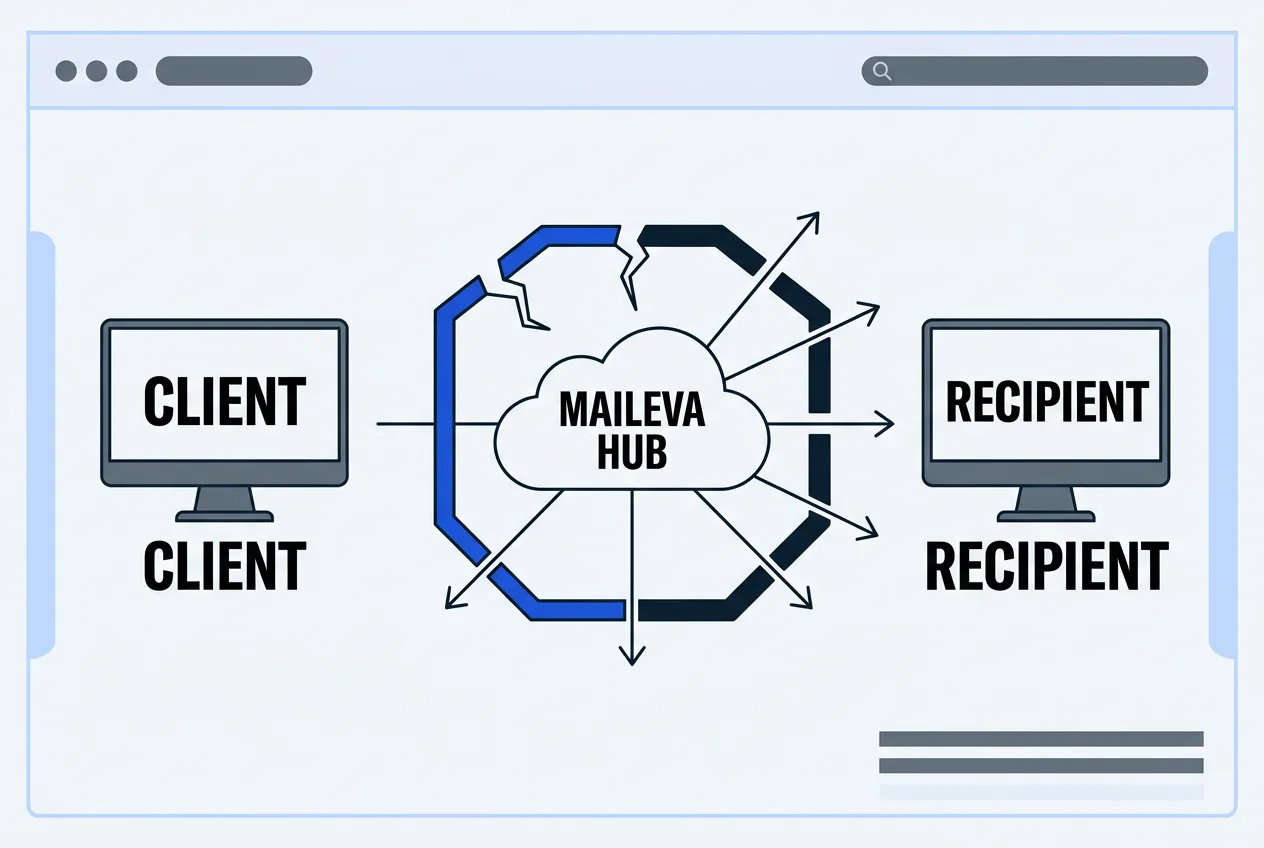
Organizations using Maileva should verify notification status with the provider and review their own data-sharing agreements. Individuals can monitor official communications from their banks, landlords, or healthcare providers for any follow-up guidance. No independent review of post-breach security enhancements has been published yet.
Users concerned about privacy should treat any unsolicited mail or messages referencing their details with caution. The scale of the exposure, covering roughly one-third of France’s population, increases the potential value of the data to threat actors for targeted fraud attempts.
Frequently asked questions
What data was confirmed stolen in the Maileva breach?
Maileva confirmed that first names, last names, and postal addresses of approximately 22 million recipients were taken. No bank details were reported as exposed. Some client-specific records may have included additional fields such as invoice numbers or care dates.
When did Maileva publicly disclose the breach details?
The company detected the attack in September 2026 but released the 22 million figure and full scope only on November 13–15, 2026. Services were restored by September 29 after a brief suspension.
Has Maileva taken steps to improve security since the incident?
Maileva stated that systems were secured after discovery and that it notified CNIL and filed a criminal complaint. No details on independent audits or specific technical upgrades have been published as of November 18, 2026.
Should organizations stop using Maileva after the breach?
Maileva remains a legitimate La Poste subsidiary handling 180 million documents per year. Organizations should assess their own notification obligations and monitor updates from CNIL and the ongoing judicial investigation before making long-term decisions.
TrustScope
Comments 3