
Metabase Security Review After November 2026 SQL Injection Vulnerability Exploit
In short
Metabase addressed a critical unauthenticated SQL injection flaw in August 2026, but self-hosted users must still apply patches and complete post-upgrade hardening.
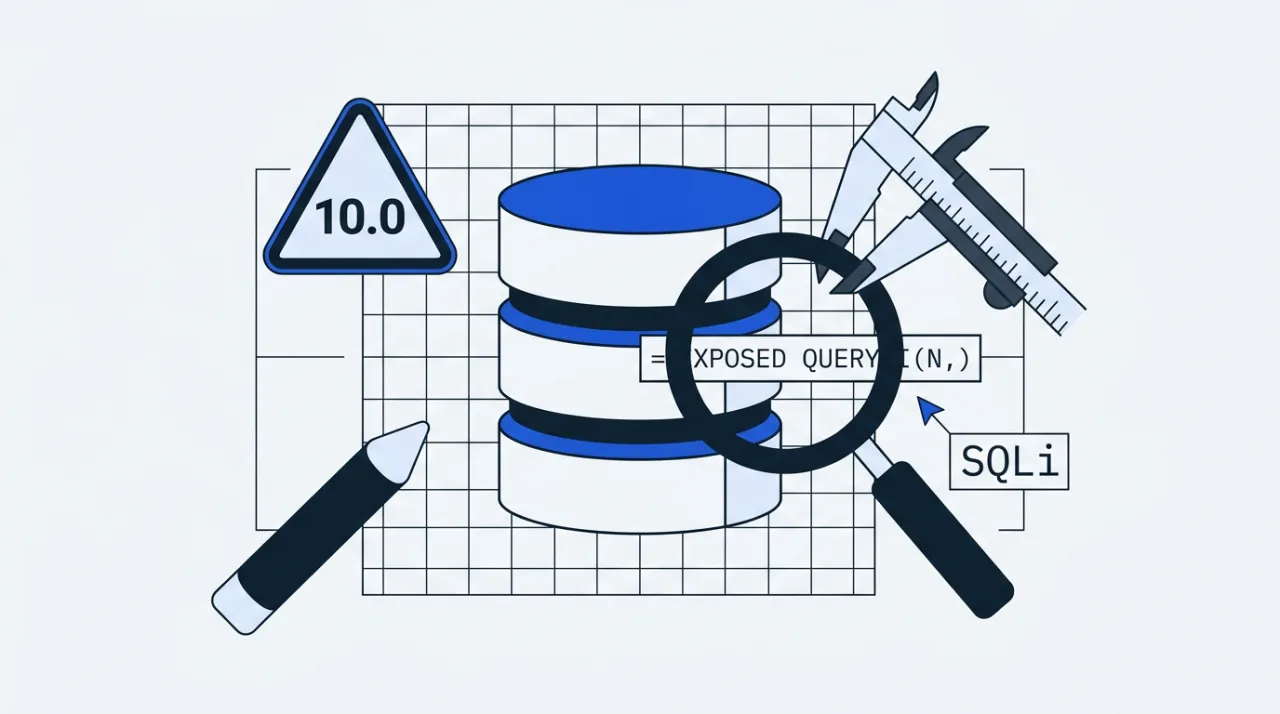
Metabase security review of the November 2026 situation shows that the company patched CVE-2026-72898 in August, yet many self-hosted deployments remain exposed. The flaw allowed remote attackers to obtain administrator access without credentials. Organizations running affected versions continue to face elevated risk until they complete upgrades and additional steps.
Technical Details of CVE-2026-72898
The vulnerability is an unauthenticated SQL injection in the POST /api/session/reset_password endpoint, classified as CWE-89 with a CVSS score of 10.0. Attackers could inject arbitrary SQL into the application database and escalate to full administrative control. The issue affected open-source 0.x and Enterprise 1.x branches from 58 through 63, with fixes released in point versions 0.58.24 / 1.58.24, 0.59.21 / 1.59.21, 0.60.17 / 1.60.17, 0.61.11 / 1.61.11, 0.62.9 / 1.62.9, and 0.63.5 / 1.63.5. Branches below 58 were not impacted by this specific flaw.
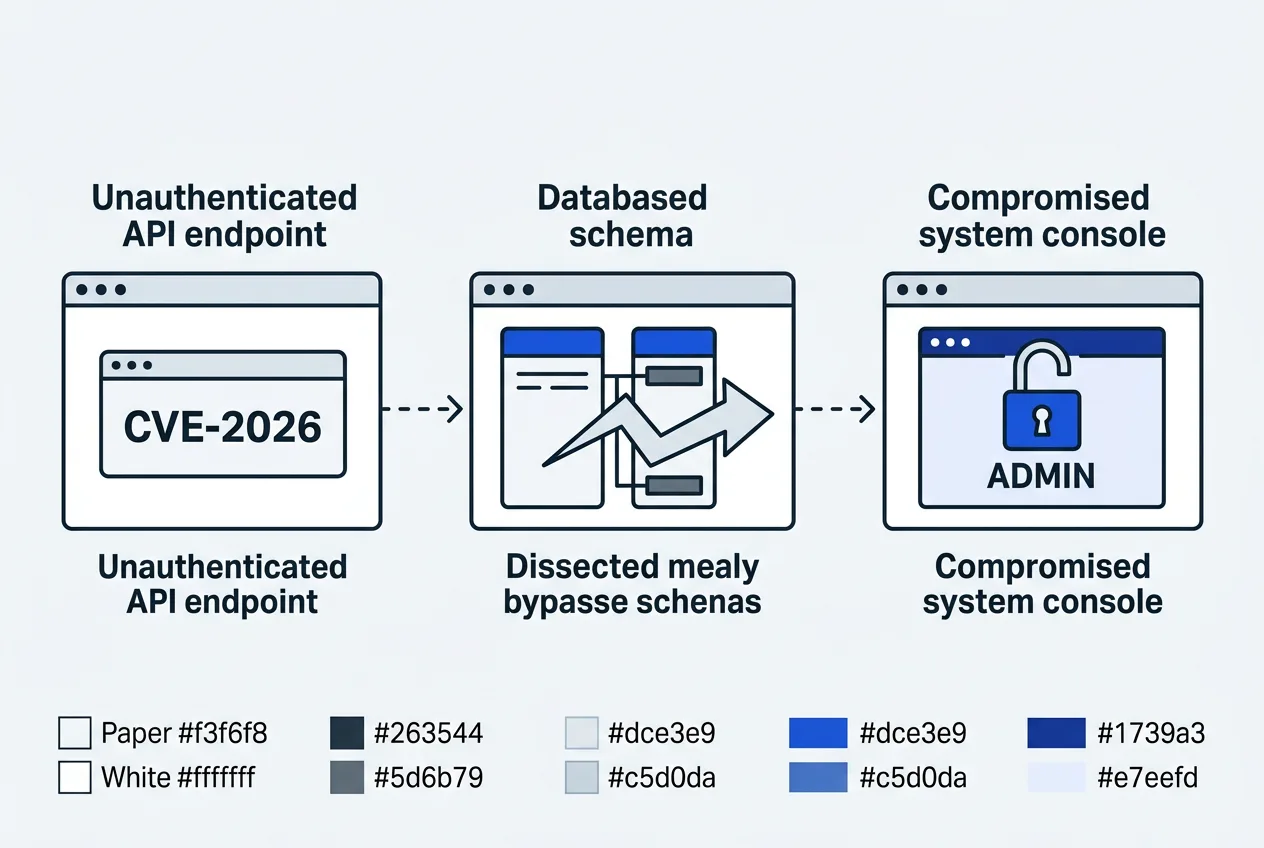
Metabase discovered an attack on its own Cloud service around August 2, 2026. The company blocked attack paths, applied patches, and published the advisory GHSA-vwf4-m7j8-wcjf on August 6. Cloud instances received updates before public disclosure. A public proof-of-concept appeared shortly afterward, and CISA added the vulnerability to its Known Exploited Vulnerabilities catalog on August 11 with a federal remediation deadline of August 14.
Exploitation Impact and User Actions
Successful exploitation grants full admin rights, enabling configuration changes, theft of stored database credentials, data export, and potential compromise of connected data sources. The CVSS scope change metric reflects this downstream risk. Logs showing a sequence of POST requests to /api/session/reset_password (often returning 400) followed by successful GET /api/user/current (200) indicate attempted or successful compromise.
Metabase and CSA Singapore recommend immediate upgrade to the minimum safe build for the installed branch. After upgrade, administrators should delete rows from the core_session table, review and remove unrecognized API keys and admin accounts, rotate credentials for all connected databases, and audit activity logs. A temporary workaround is to block access to the /api/session/reset_password endpoint. Metabase 64, released in late October 2026, includes further hardening measures.
| Branch | Fixed Version | Status |
|---|---|---|
| 58 | 0.58.24 / 1.58.24 | Patched |
| 59 | 0.59.21 / 1.59.21 | Patched |
| 60 | 0.60.17 / 1.60.17 | Patched |
| 61 | 0.61.11 / 1.61.11 | Patched |
| 62 | 0.62.9 / 1.62.9 | Patched |
| 63 | 0.63.5 / 1.63.5 | Patched |
Users should verify their current version against this list and apply updates before restoring any public exposure. No new large-scale exploitation waves have been reported since the November 2026 alerts, yet patching remains essential for any internet-facing instance.
Frequently asked questions
Is Metabase safe after the August 2026 patch?
Metabase instances running the fixed versions listed in the advisory are no longer vulnerable to CVE-2026-72898. Self-hosted deployments still require the additional post-upgrade steps to revoke sessions and rotate credentials.
Which Metabase versions remain vulnerable?
Open-source and Enterprise releases in branches 58 through 63 prior to the listed point releases remain vulnerable. Versions below branch 58 are unaffected by this particular issue.
What indicators show an attempted exploit?
Log entries showing POST requests to /api/session/reset_password followed by successful GET requests to /api/user/current point to possible exploitation attempts.
Should organizations still block the reset_password endpoint?
Blocking the endpoint serves only as a temporary workaround. The permanent solution is to upgrade and complete the full hardening checklist provided by Metabase.
TrustScope
Comments 1