
NEAR AI Cloud Security Review After November 2026 SGLang RCE Vulnerability Exploit
In short
On November 8, 2026, an SGLang remote code execution flaw allowed unauthorized access to limited NEAR AI Cloud user data. The company contained the breach within days and restored services by November 10.
NEAR AI Cloud security came under scrutiny after an attacker exploited a remote code execution vulnerability in the SGLang inference engine on November 8, 2026. The incident exposed account details for roughly 100 users and chat data from 18 legacy agents, while two API keys appeared in logs. NEAR AI paused the Cloud inference service, revoked credentials, and restored operations by November 10 with no impact on NEAR Protocol mainnet.
Timeline of the SGLang RCE Exploit on NEAR AI Infrastructure
The attacker gained code execution on one inference server through the SGLang flaw and moved laterally to a deprecated internal system linked to Private Chat. From there the intruder downloaded emails, names, and limited plan or balance information for approximately 100 accounts. No stored Private Chat conversations or uploaded files showed signs of access.
Eighteen agents running on a legacy deployment outside trusted execution environments had their chat histories, settings, and logs exposed. Two Cloud customers saw API keys appear in logs; both keys were revoked immediately. The attacker could also have observed requests processed on the compromised server, including those routed through confidential mode inside TEEs.
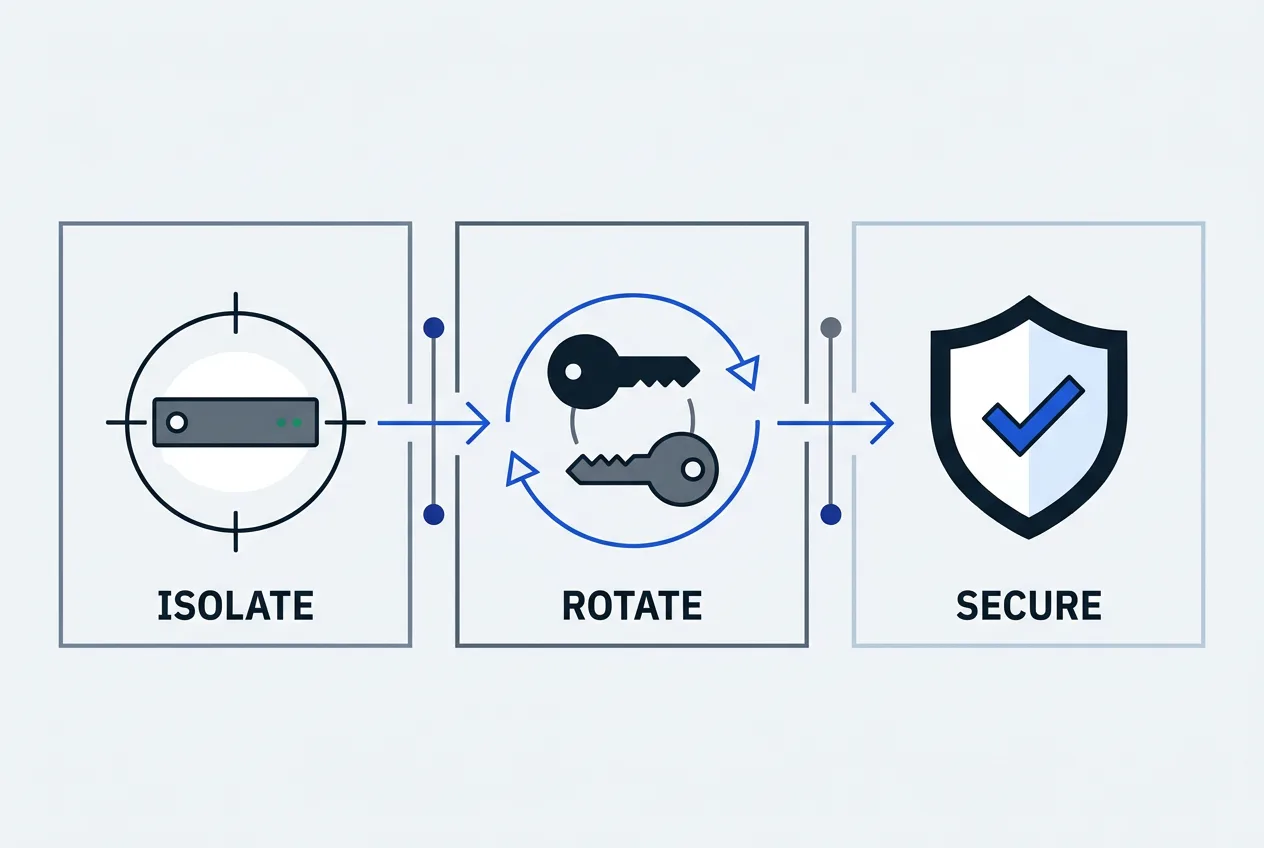
NEAR AI detected the activity the same day, isolated the affected server, and replaced agent tokens and admin credentials. The company took Private Chat offline temporarily, applied patches across all inference servers, and completed a forensic review. Affected users received direct notification at the addresses on file.
Response Actions and Remaining Exposure Risks
NEAR AI reported the SGLang vulnerability to the upstream project and rotated remaining credentials. Regulatory notifications were prepared where required. Users without direct contact from the company were advised that no further action was necessary on their part.
The incident underscores that trusted execution environments protect against host-level access but do not prevent exploitation of software bugs running inside the enclave. Legacy components outside TEE boundaries increased the blast radius. As of November 12, 2026, no public CVE or upstream patch details for the specific SGLang version had been confirmed.
Readers evaluating NEAR AI Cloud security should monitor the SGLang project for future disclosures and review their own use of legacy agent deployments. The company stated it is increasing security review of inference software and dependencies in addition to enclave protections.
Practical Steps for Current and Prospective Users
Account holders can verify that any exposed API keys have been rotated through their dashboard settings. Those who received direct notifications should follow the instructions provided in the email from security@near.ai.
- Review recent API activity logs for unrecognized calls.
- Update any stored credentials that match the two exposed keys.
- Check agent deployment configurations and move workloads to TEE-protected paths where available.
- Monitor the SGLang repository for patched releases before re-enabling affected inference endpoints.
Organizations comparing inference platforms can use the table below to weigh exposure factors highlighted by this event.
| Component | Exposure in Incident | Current Status |
|---|---|---|
| Private Chat data | Account metadata only | Service restored, tokens rotated |
| Legacy agents | Chat history and logs | Tokens replaced, migration advised |
| API keys | Two keys in logs | Revoked and replaced |
| TEE-protected requests | Observable in transit | No data exfiltration confirmed |
Frequently asked questions
What data was accessed during the NEAR AI Cloud incident?
Account details including emails and names for about 100 users were downloaded. Chat histories from 18 legacy agents were also exposed, along with two API keys that appeared in logs.
Did the SGLang exploit affect NEAR Protocol mainnet?
No. The November 2026 incident remained limited to one inference server and legacy components. NEAR Protocol mainnet and other NEAR services continued without interruption.
How quickly did NEAR AI restore Cloud services?
The company contained access on November 8, completed patching and credential rotation, and restored the inference service by November 10, 2026.
Should users still using legacy agents take action?
Yes. Migrate workloads to current TEE-protected deployments and replace any tokens issued before November 8. Monitor the SGLang project for upstream patches.
TrustScope
Comments 8