
Northflank Security Review: October 2026 AI API Key Abuse Incident
In short
Northflank experienced an October 30, 2026 incident that exposed environment variables to unauthorized access, leading to AI API key abuse. The platform has since contained the threat and implemented fixes.
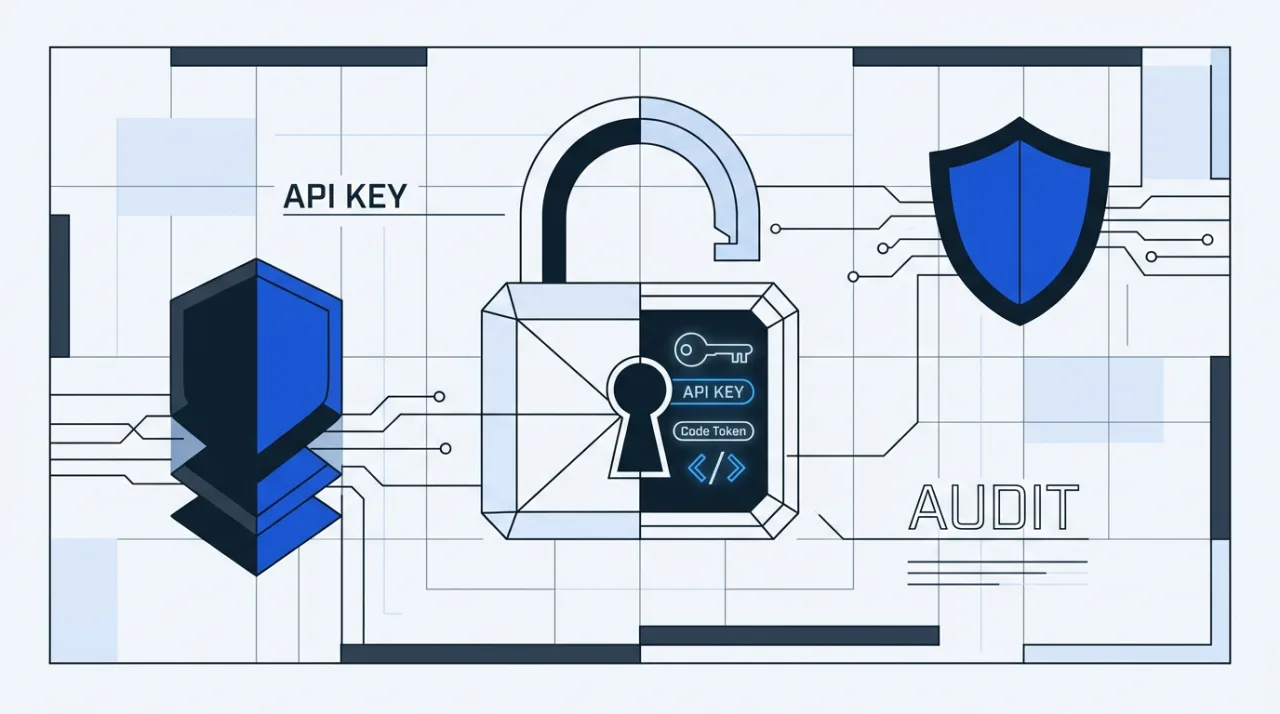
Northflank suffered a security incident on October 30, 2026, when attackers decrypted environment variables stored in its control plane and misused customer AI API keys. The company received an alert from Wiz at 11:43 UTC and began network policy changes within minutes. Customers were instructed to rotate secrets after the attack focused exclusively on stored credentials.
Timeline of the October 30 Incident and Immediate Response
The sequence began when Wiz notified Northflank of a threat at 11:43 UTC. Engineers reviewed the alert one minute later. The first recorded secret decryption took place between 02:39 and 03:08 UTC. Northflank applied initial network policy patches at 12:02, 12:50, and 13:05 UTC. At 13:00 the company requested support from Wiz’s incident response team.
At 13:40 Northflank notified customers to rotate environment variables. Two hours later it escalated the advisory to assume all stored secrets had been decrypted. The attack lasted roughly one hour after the initial alert. No evidence emerged of access to running workloads or customer data outside the control plane secrets.
By November 2 the incident moved into a monitoring phase. Platform operations continued with occasional interruptions caused by redeployments and additional hardening measures. Root cause analysis remains pending as of November 7.
Confirmed Impacts, Remediation Steps, and Current Status
Multiple customers reported unauthorized use of AI API keys stored as environment variables, workload secrets, or global secrets. Attackers did not reach running containers or workload data. The incident formed part of a broader October wave targeting at least nine AI and developer platforms.
Northflank revoked its own tokens, sessions, VCS integrations, and IAM roles where possible. It enabled secret rotation for Postgres, MongoDB, MySQL, Redis, MinIO, and RabbitMQ add-ons. Audit logging was turned on for all users, including the free tier. Independent forensic auditors were engaged to review the event.
Customers received clear instructions: rotate every secret immediately, check AI provider billing and usage logs, set IP restrictions and budget limits, and re-authenticate integrations. Dedicated and forward-deployed control plane customers were unaffected. As of November 6 the platform operates normally with no signs of ongoing attacker presence.
| Action | Date/Time (UTC) | Outcome |
|---|---|---|
| Wiz alert received | Oct 30, 11:43 | Engineers notified |
| First network patches | Oct 30, 12:02 | Initial containment |
| Customer rotation notice | Oct 30, 13:40 | Secrets advised for rotation |
| Full escalation advisory | Oct 30, 13:58 | Assume all env vars compromised |
Practical Steps for Current and Prospective Users
Users should review all AI provider logs for unusual activity since late October. Implement budget caps and IP allowlists on any keys previously stored in Northflank. Re-authenticate connected accounts and regenerate any tokens that may have been exposed.
Northflank now provides audit logs to every tier and has patched the CVE-2026-98432 vulnerability across its fleet. Organizations evaluating the platform can request details of the final incident report once published. Those running sensitive workloads may prefer dedicated control plane options, which remained outside the affected scope.
Frequently asked questions
Is Northflank safe after the October 2026 incident?
Northflank contained the attack within roughly one hour of the initial alert and has applied network patches and secret rotation features. No ongoing attacker presence has been detected. Users should still rotate any remaining secrets and monitor usage logs.
What exactly was exposed in the Northflank breach?
Attackers decrypted environment variables, secret groups, and global secrets stored in the control plane. No evidence shows access to running workloads or customer application data. The focus remained on stored credentials used for AI services.
Should I rotate all keys after the Northflank incident?
Northflank advised every customer to treat stored secrets as compromised. Rotate AI API keys, database credentials, and cloud access tokens at the provider first, then update them in Northflank. Enable IP restrictions and budget limits on new keys.
Does Northflank offer audit logs to all users now?
Yes. Audit logging was enabled platform-wide, including for free-tier accounts, as part of the remediation. This change allows every user to review access events to their projects and secrets.
TrustScope
Comments 6