
Optimizely Review: Security After November 2026 Supply Chain Malware Injection
In short
Optimizely experienced a supply chain attack on November 16-17 2026 that injected malware into customer projects via its CDN, affecting 178 organizations including major media and finance brands.
Optimizely faced a supply chain malware injection on November 16-17 2026 that compromised its Web Experimentation platform. Attackers used a vulnerability in the account signup flow to insert malicious JavaScript into customer projects, which then served through the trusted cdn.optimizely.com domain.
Optimizely Security Review of the Supply Chain Incident
The attack began around 04:21 UTC on November 16 when the first malicious injection appeared in a BBC snippet. Card-skimming code followed by 13:43, with the payload rebuilt 26 times before mass cleanup between 20:40 and 21:10. All scanned infected snippets returned to clean status by 23:11 that evening, and Optimizely posted confirmation on its status page at 01:02 on November 17.
Report URI identified 188 infected snippets across 1,611 scanned, tied to 178 organizations. Banking and finance represented the largest affected sector with 32 organizations. The malware replaced cryptocurrency addresses in text, forms, clipboard, and requests; skimmed card details from site-owned forms; stole non-HttpOnly cookies; captured page screenshots; and attempted delivery of iOS exploit kits. Roughly $7,040 in crypto was stolen on the first day.
Optimizely stated that an unauthorized party exploited a flaw in Experimentation to add malicious JavaScript. The company fixed the vulnerability, removed injected code, revoked sessions and tokens for affected accounts, and added protections against unauthorized code delivery. No CVE number has been assigned, and the exact number of affected projects remains undisclosed.
Scope of Exposure and Affected Organizations
High-profile brands exposed included Zoom, BBC, CNN, Fox News, Salesforce, GitLab, IKEA, HSBC, Equifax, Air France-KLM, Ledger, and Peacock. Optimizely’s own site and login portal were also impacted. The incident allowed the malicious script to run with the site’s own certificate, bypassing common browser trust checks.
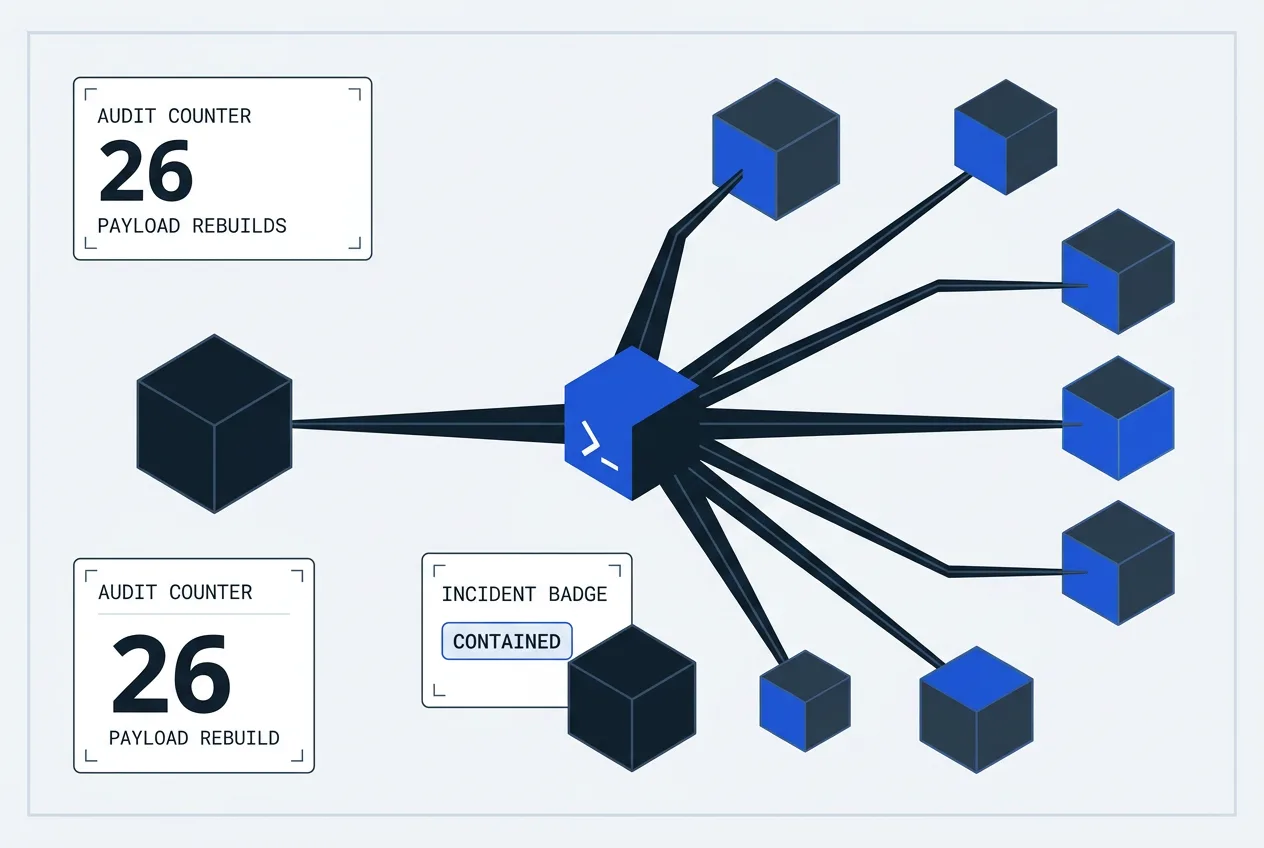
Customers can add custom Project JavaScript that executes on every page load. The attacker abused write access through the signup-flow flaw to insert a loader into unrelated customer projects. Similar injector activity appeared in other vendors’ scripts earlier that week, highlighting a broader pattern of supply-chain targeting against experimentation and analytics platforms.
Visitors to affected sites on November 16 should monitor cryptocurrency transactions and card statements. Organizations using Optimizely should review all Project JavaScript and custom code, audit users with write access, rotate tokens and integrations, and tighten Content Security Policy rules where possible. The status page remains in monitoring as investigation continues.
Current Trustworthiness Assessment and Next Steps
Optimizely has not reported broader platform-wide outages or additional confirmed incidents beyond this event. The company continues to investigate and plans further updates on status.optimizely.com. No confirmed device compromises from the iOS exploit attempts have surfaced in public reports.
Organizations evaluating whether to continue using Optimizely should weigh the rapid cleanup against the initial exposure window and the nature of the data targeted. Regular audits of custom scripts, strict access controls, and monitoring for unexpected changes in served code remain practical safeguards. The incident underscores risks inherent in any single-script A/B testing solution that runs with full page privileges.
Frequently asked questions
What happened in the Optimizely November 2026 incident?
Attackers exploited a signup-flow vulnerability to inject malicious JavaScript into customer projects, served via Optimizely’s CDN. The code performed crypto address replacement, card skimming, and cookie theft across affected sites.
How many organizations were impacted by the Optimizely breach?
Report URI identified 188 infected snippets belonging to 178 organizations, with banking and finance as the largest sector. The real total is likely higher.
Is Optimizely safe to use after the supply chain attack?
Optimizely fixed the exploited vulnerability and removed the injected code. Organizations should still audit custom scripts, rotate access tokens, and apply strict CSP rules before resuming full reliance.
What malware behaviors were observed in the Optimizely incident?
The payload replaced wallet addresses, skimmed card details from site forms, stole cookies, captured screenshots, and attempted iOS exploit delivery. Approximately $7,040 in cryptocurrency was stolen on the first day.
TrustScope
Comments 10