
Rakuten Securities Security Review After November 2026 Test Environment Data Breach
In short
Rakuten Securities disclosed unauthorized access to its test environment on November 17, 2026, exposing data from up to 15.72 million accounts with no passwords or transaction credentials compromised.
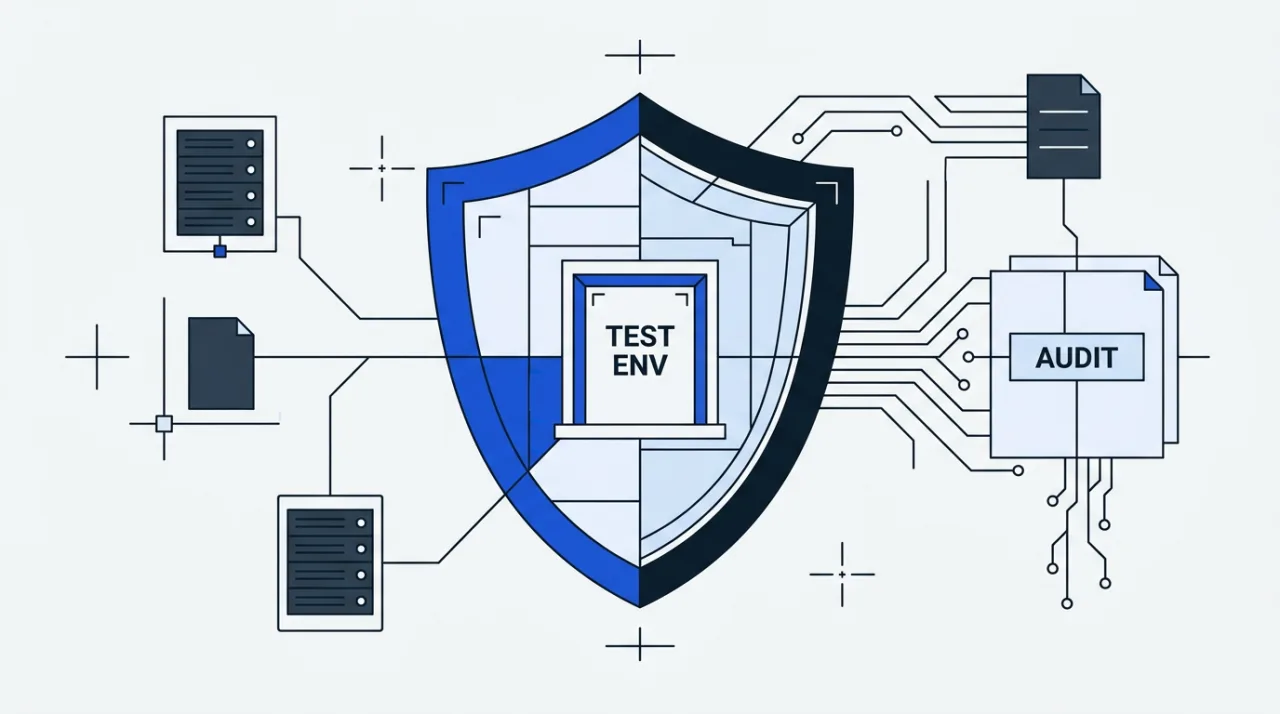
Rakuten Securities security review centers on the unauthorized access detected in the company’s test environment on November 16, 2026. The incident involved real customer data copied into the system for upgrade testing, contrary to standard dummy-data practices. Public disclosure followed the next day, with no evidence of passwords, PINs, or transaction credentials leaving the environment.
Rakuten Securities Data Breach Timeline and Scope
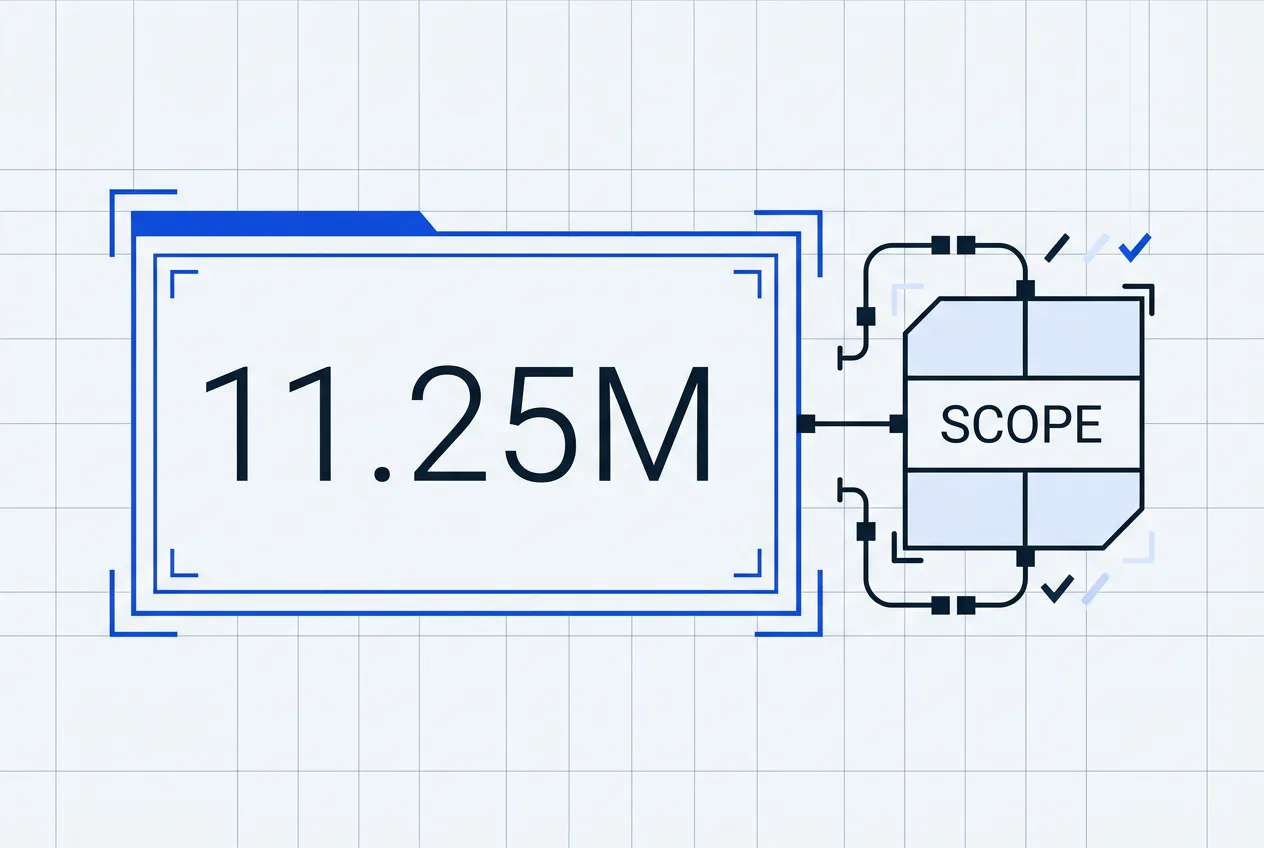
Unauthorized access occurred around November 11. The company blocked entry on November 16 after detection and applied fixes. On November 17 it released details showing two data sets: 11.25 million accounts limited to branch codes and login IDs, plus 4.47 million accounts holding names, addresses, phone numbers, emails, employers, withdrawal bank information, income figures, asset holdings, and last-login records. Login IDs remain separate from broader Rakuten ecosystem identifiers.
Passwords and transaction credentials stayed protected. As of November 20, no confirmed unauthorized logins or financial losses had been reported. The breach affected both active and closed accounts, prompting the Financial Services Agency to issue a formal reporting order on November 19 requiring detailed cause analysis and prevention measures.
Security experts noted that storing live data in a test system deviates from accepted controls. The company stated it takes the matter extremely seriously and has begun strengthening test-environment protocols and staff awareness.
Company Actions, Regulatory Response, and User Protections
Rakuten Securities advised customers to consider temporary account locks and to monitor for impersonation attempts. It waived fees for transferring investment trust holdings to other institutions starting November 18 and opened a dedicated inquiry line, though some users reported access difficulties. Individual notifications began rolling out to affected accounts.
Finance Minister Satsuki Katayama described the incident as extremely regrettable and urged prompt customer protection steps. A class-action interest registration opened at Makino Law Office, with 15,000 to 20,000 sign-ups recorded by November 20. Shares of Rakuten Group and Rakuten Bank declined sharply in the immediate aftermath.
Investors evaluating trustworthiness should weigh the absence of credential theft against the volume of exposed personal and financial details. The ongoing FSA review and pending class-action decision will clarify long-term accountability measures. Heightened phishing vigilance remains advisable while investigation continues.
| Data Category | Accounts Affected | Compromised Elements |
|---|---|---|
| Group A | 11.25 million | Branch codes, login IDs |
| Group B | 4.47 million | Names, addresses, bank details, holdings, income |
Frequently asked questions
What data was exposed in the Rakuten Securities breach?
Two groups of accounts were affected. One contained branch codes and login IDs for 11.25 million records. The second included names, addresses, phone numbers, emails, employers, bank details, income, and holdings for 4.47 million records.
Were passwords or transaction credentials stolen?
No passwords, PINs, or credentials required for securities transactions were compromised. No unauthorized logins or financial losses had been confirmed as of November 20.
What steps has Rakuten Securities taken for customers?
The firm waived transfer fees for investment trusts, advised account locks where appropriate, and began individual notifications. A dedicated inquiry line opened, though some callers experienced delays.
Is Rakuten Securities safe to use after the incident?
Login security for transactions remains intact, yet the volume of exposed personal and financial data warrants continued monitoring and caution with phishing attempts until the full investigation concludes.
TrustScope
Comments 5