
SourceNext Security Review: Assessing Risks After the October 2026 API Breach
In short
The October 2026 SourceNext breach exposed up to 22.5 million member records through API abuse. This review outlines confirmed facts on the incident and user protections.
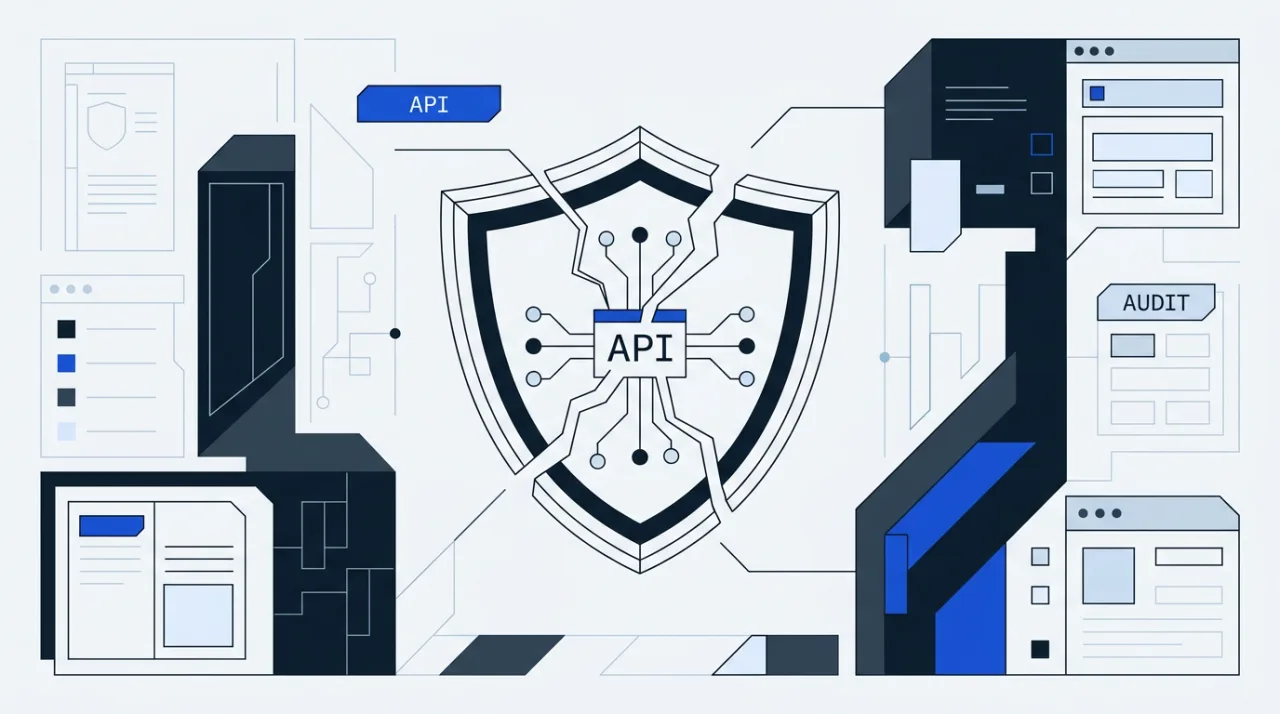
SourceNext security review focuses on the unauthorized access incident disclosed October 15, 2026. The company confirmed abuse of its member information retrieval API, potentially affecting up to 22,519,960 records. No credit card data was involved.
What Happened During the SourceNext Data Breach
Unauthorized access began around 10:00 a.m. on October 9, 2026, and continued until detection at 9:00 a.m. on October 13. The company contained the activity by 1:36 p.m. that day by blocking external malicious communications. SourceNext reported the incident to Japan’s Personal Information Protection Commission on October 15 and planned a police report the following day.
The exposed fields included email addresses, encrypted passwords, names with kana readings, addresses, gender, phone and fax numbers, birth dates, and company details where users had registered them. System identifiers such as subscribed services and login dates were also at risk. Passwords were stored encrypted rather than hashed, and the decryption program was compromised during the incident.
SourceNext invalidated affected passwords and forced resets on next login. The company stated it engaged external security experts for investigation starting October 16 and began full system emergency checks. Services remained operational with some online features under maintenance.
Is SourceNext Safe Following the Incident
The breach ranks as the second-largest disclosed corporate incident in Japan after the 2014 Benesse case. SourceNext operates as a software retailer with over 20 million historical registered users and sells security products internationally through brands like Pocketalk. The event occurred during a series of Japanese web system compromises in late 2026 that frequently involved API abuse.
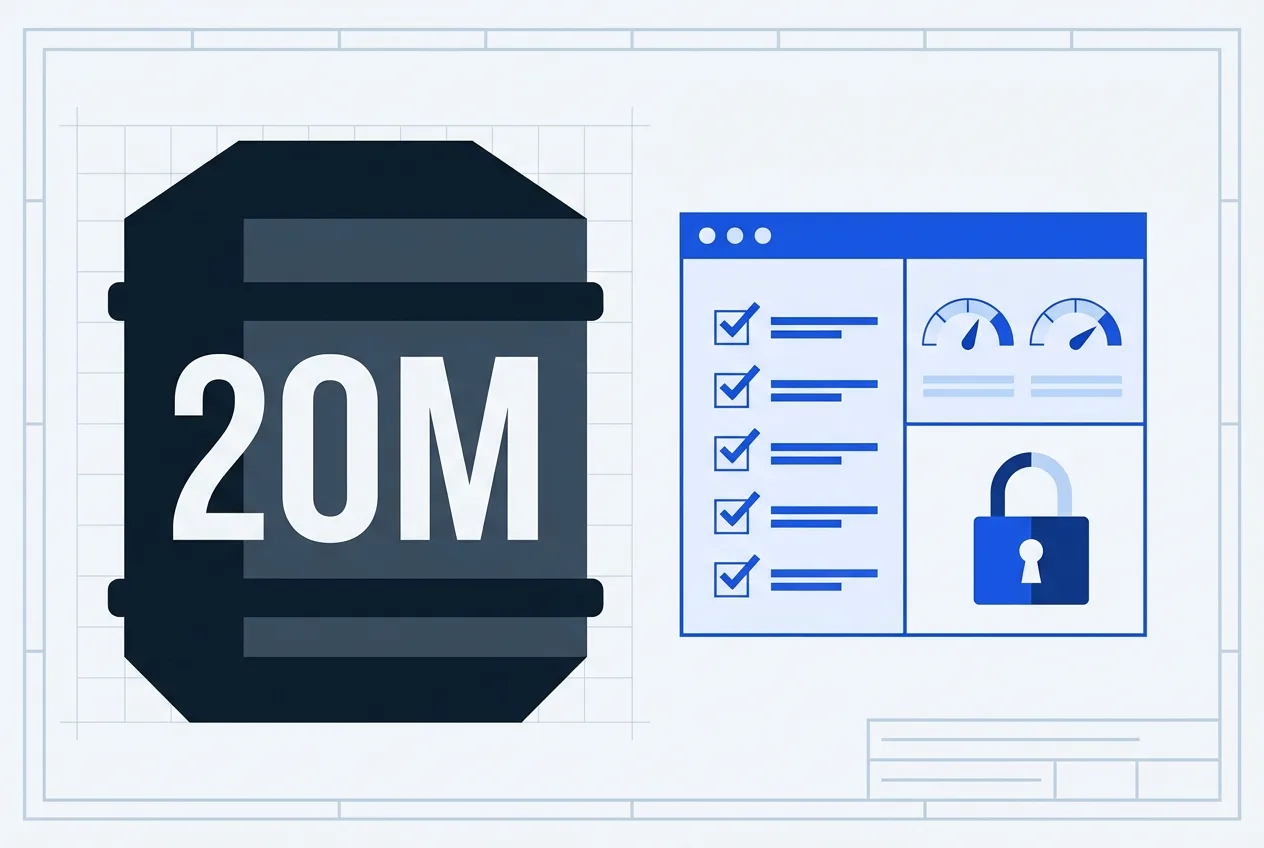
Official statements indicate ongoing monitoring and a commitment to review security measures, data management, and monitoring practices. Third-party investigation into the cause and full scope continues as of early November 2026. No compensation payments have been announced.
Users should treat this as a confirmed privacy incident rather than speculation. The company maintains a dedicated hotline at 0120-035-116 operating 10 a.m. to 6 p.m. daily, including weekends and holidays, for inquiries.
SourceNext Privacy Concerns and User Protections
SourceNext advised immediate password resets on its platform and on any other services where the same credentials were reused. It also recommended monitoring for phishing attempts via email, SMS, phone, or physical mail impersonating the company or affiliates. Credit card holders require no action since that information was stored separately and unaffected.
Practical steps include:
- Change the SourceNext password right away if not already prompted.
- Enable any available two-factor authentication on the account.
- Review recent login activity in the account dashboard.
- Watch official SourceNext notices for further updates on the investigation.
Regular checks of financial statements and credit reports remain advisable even without direct card exposure, given the volume of personal identifiers released. The company has not indicated a timeline for completing its full security overhaul.
Frequently asked questions
What data was exposed in the SourceNext breach?
Email addresses, encrypted passwords, names, addresses, gender, phone numbers, birth dates, and company details were among the fields that could have been accessed. Credit card information remained separate and unaffected.
How long did the unauthorized access last?
Access occurred from approximately October 9 at 10 a.m. until containment on October 13 at 1:36 p.m. The company detected the activity on October 13 morning and blocked malicious communications the same day.
What should users do after the SourceNext incident?
Reset the SourceNext password immediately and change any reused passwords on other sites. Monitor for phishing attempts and check the official SourceNext site for updates on the ongoing investigation.
Did SourceNext notify authorities?
The company reported the incident to Japan’s Personal Information Protection Commission on October 15, 2026, and planned a police report on October 16. A third-party security investigation began on October 16.
TrustScope
Comments 1