
Studio Security Review After September–October 2026 Cloud Environment Incident
In short
Studio suffered unauthorized access to its cloud environment in late September and early October 2026, exposing account data, form submissions, and credentials for hundreds of thousands of users.
Studio security review shows that Studio Inc. disclosed unauthorized access to its cloud environment between September 30 and October 1, 2026. Attackers retained access to data until October 13–14. The incident affected roughly 900,000 registered users and more than 220,000 live sites.
The breach exposed usernames, email addresses, hashed passwords, site content, form submissions, live preview URLs, and various authentication tokens. Encryption proved ineffective because the decryption key was also obtained during the same access. Studio reported the matter to Japan’s Personal Information Protection Commission and engaged external investigators.
Incident Timeline and Scope of Exposed Data
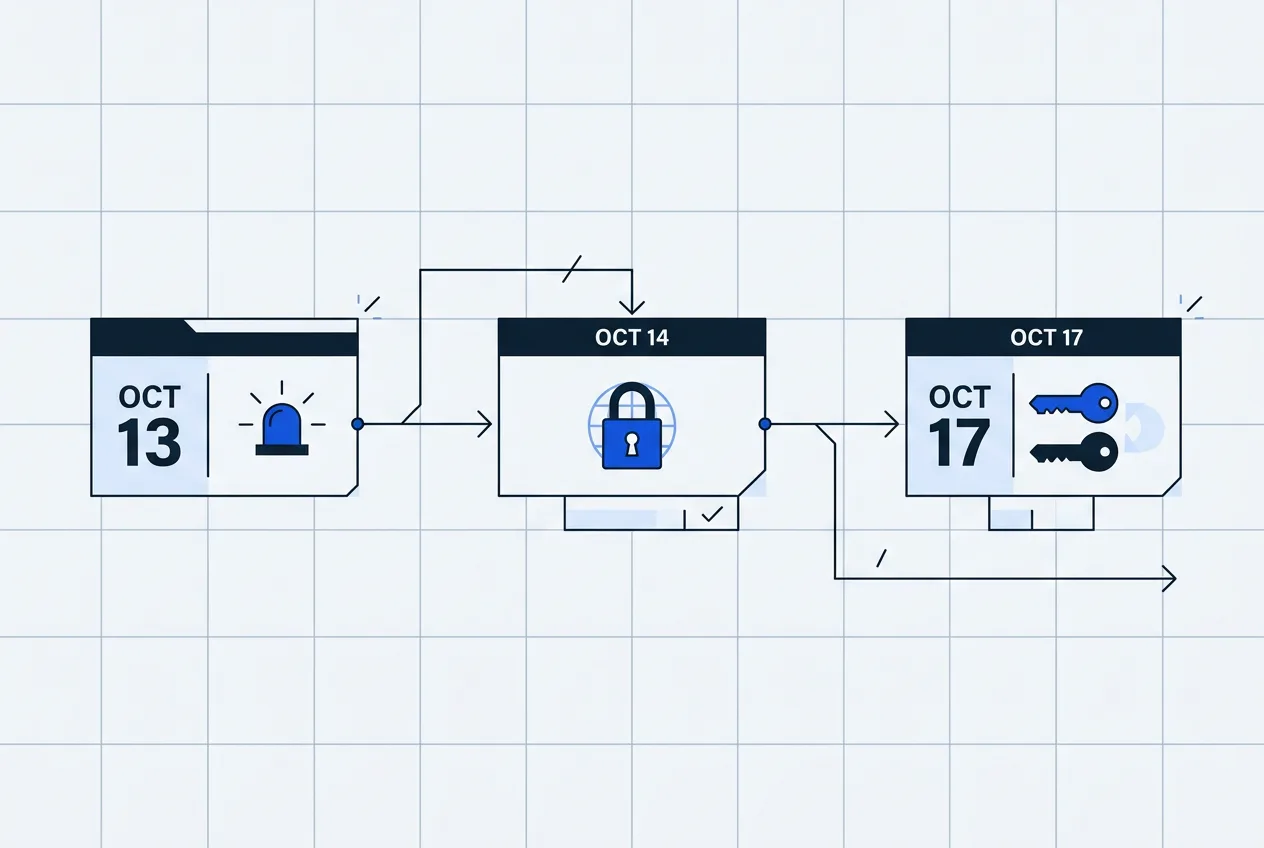
Internal detection occurred on October 13. Studio blocked the access route, forced a global logout of all users around October 14 at 02:30 JST, and rotated encryption keys and credentials by October 17. No evidence of data tampering or deletion has been confirmed so far, though investigations continue.
The following categories of information were potentially accessible:
- Account credentials and profile information
- Site, CMS, and design files
- Form submissions, including archived and test entries
- API keys, webhook URLs, Google Sheets credentials, and reCAPTCHA settings
- Passwords for protected pages
Form data from several organizations appeared in the exposure, including records from Luup, the Digital Agency, Link-U Group, and Raksul. File contents stored separately were not included in the accessed material.
Company Response and Recommended User Actions
Studio fixed the exploited vulnerability and issued individual notifications to affected customers. The company advised all users to change Studio passwords, delete and regenerate live preview URLs, and rotate any API keys or integration credentials that were stored in the platform. Users who collected form submissions were told to consider notifying submitters or re-collecting the information.
Joint reporting options to the Personal Information Protection Commission opened for form-handling customers between November 4 and 18, 2026. Studio continues to publish updates on its security notice page and FAQ section. As of November 6, 2026, no additional incidents have been reported.
Organizations using Studio for client-facing forms or third-party integrations face the greatest downstream risk. They should audit connected services, monitor for phishing attempts that reference the incident, and verify that previously issued credentials have been replaced. Regular review of access logs on linked platforms can help detect any follow-on misuse.
Frequently asked questions
What data was exposed in the Studio incident?
Account details, form submissions, design content, and multiple types of credentials were accessed. Encryption did not protect the data because the key was also obtained.
Has Studio fixed the vulnerability?
Studio blocked the access route and fixed the exploited vulnerability by October 14. New encryption keys were issued shortly afterward, and all users were logged out.
Should users change passwords after the Studio breach?
Yes. Studio instructed every account holder to reset passwords and to rotate any stored API keys or integration tokens. Users should also monitor linked services for unusual activity.
Is Studio still operating after the October 2026 incident?
Studio continues to run its platform. The company has published ongoing updates and maintains a dedicated security notice page for customers.
TrustScope
Comments 12