
Wagyu Security Review After October 2026 Order Data Leak
In short
Wagyu confirmed exposure of 38,628 order records after refusing a $5 million ransom in late October 2026. The service remains operational with no funds lost.
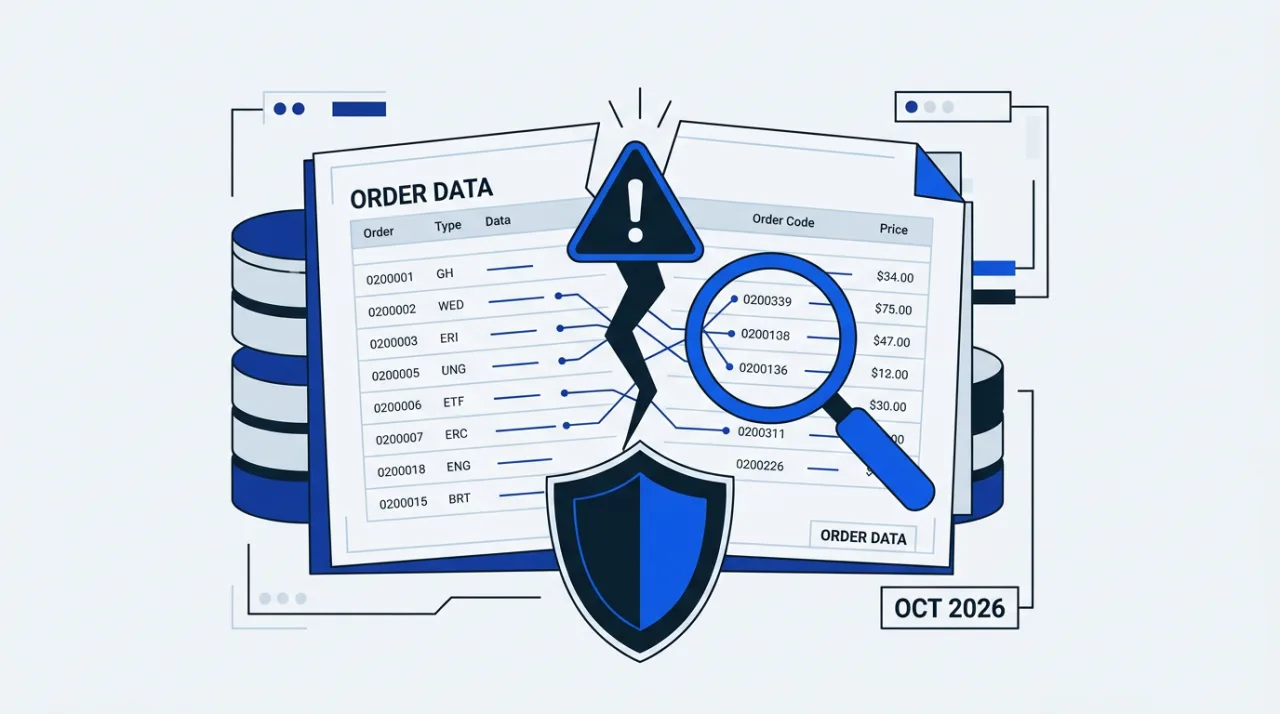
Wagyu.xyz experienced a confirmed data exposure in October 2026 when the WhiteArmor group published off-chain order records after the operator refused a $5 million ransom demand. The incident affected records spanning July to October but left on-chain Monero privacy features intact and caused no loss of user funds.
The operator, known as PerpetualCow, acknowledged the leak on October 28, 2026, and stated that the service continues without interruption. Users seeking a Wagyu review should weigh the documented off-chain risks against the service's no-KYC design.
Wagyu Data Leak October 2026 Details and Scope
WhiteArmor listed Wagyu on its leak site around October 27, 2026, and released CSV files containing 38,628 order records along with 10,139 distinct IP addresses. The data covered the period from July 18 to October 26, 2026, and included timestamps, session identifiers, and browser information.
Analysis of the released files showed 4,580 completed cross-chain swaps to native Monero, each linking a public deposit transaction hash, a Monero receiving address, and a client IP address. Another 4,002 orders previously marked deleted by users remained stored in the backend.
Four thousand five hundred eighty records connected BTC-to-XMR swaps specifically. The operator noted that IP logging occurs on any JavaScript-enabled site and described additional security measures implemented after the incident.
- Records included unverified source labels such as exchange names in some entries.
- No private keys or on-chain Monero transaction details were exposed.
- The service reported no subsequent incidents as of November 8, 2026.
Wagyu Privacy Concerns and Operational Impact
Monero's ring signatures, stealth addresses, and RingCT remained unbroken because the leak involved only off-chain swap records. The primary risk lies in correlation: an exposed deposit address on a public chain can now be matched to a Monero destination address and an IP address recorded by the service.
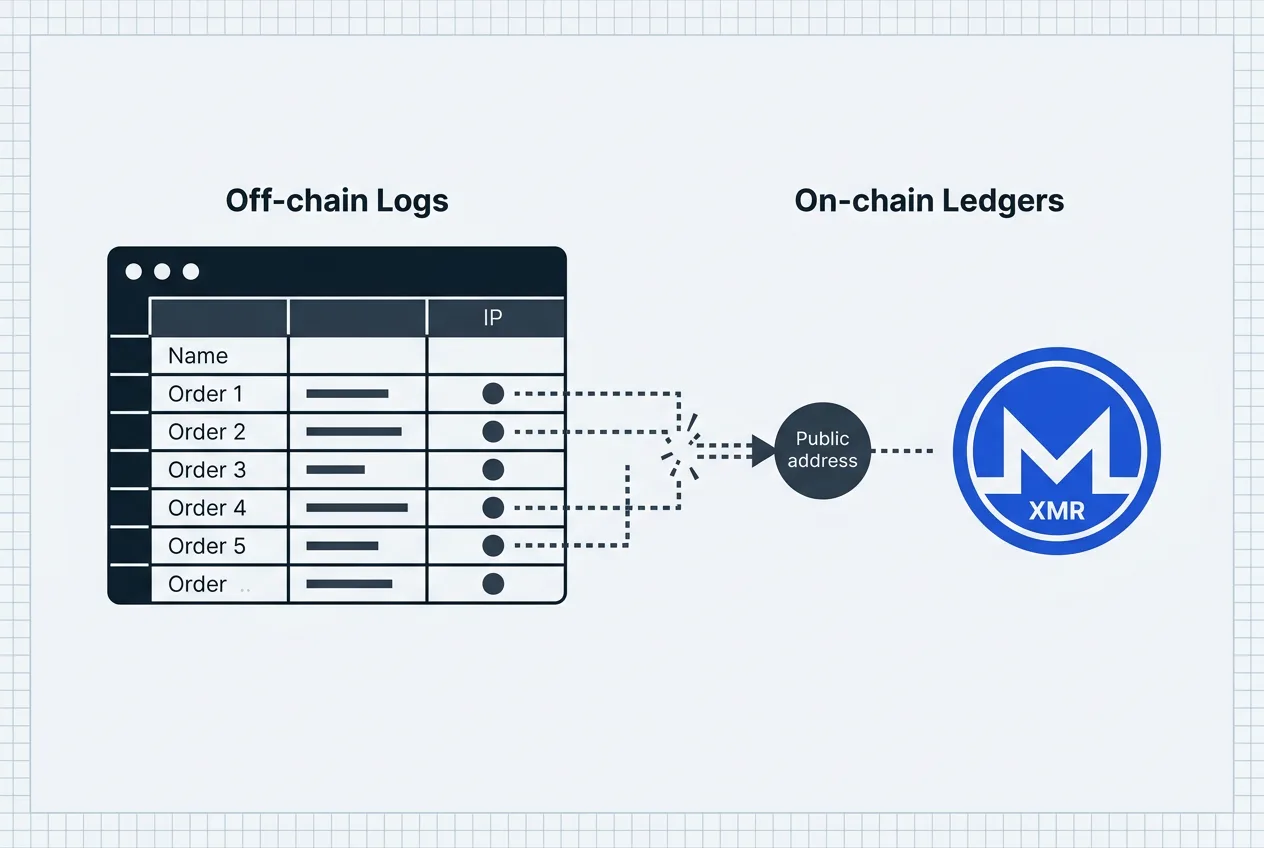
Users who accessed the site without VPN or Tor face higher re-identification risk if their IP was among the 10,139 logged addresses. The operator advised monitoring for phishing attempts and generating fresh subaddresses for future activity.
Wagyu launched in December 2025 and routes swaps through XMR1 and HyperCore infrastructure without requiring accounts or KYC. Post-incident ratings on privacy-focused trackers dropped from A- to C, reflecting retained data practices rather than any compromise of Monero cryptography itself.
| Metric | Pre-Incident | Post-Incident |
|---|---|---|
| Privacy grade (xmr.club) | A- | C |
| Order records exposed | 0 | 38,628 |
| IP addresses exposed | 0 | 10,139 |
| Funds lost | N/A | 0 |
No independent security audit or detailed post-incident technical report has been published. The service continues to operate without reported further incidents through early November 2026.
Frequently asked questions
What data was exposed in the Wagyu October 2026 leak?
The leak included 38,628 order records with timestamps, session IDs, browser data, and 10,139 IP addresses. Four thousand five hundred eighty completed swaps linked deposit hashes to Monero addresses and client IPs.
Did the Wagyu leak compromise Monero transactions?
No. Monero's on-chain features such as stealth addresses and RingCT were unaffected. The exposure was limited to off-chain swap records stored by the service.
Is Wagyu still operating after the October 2026 incident?
Yes. The service remained active as of November 8, 2026, with no reported loss of funds or additional incidents. The operator confirmed continued operations.
Should users generate new Monero addresses after the Wagyu leak?
The operator recommended creating fresh subaddresses. Records that tied public deposits to specific Monero addresses and IPs create correlation risks for anyone whose IP appeared in the files.
TrustScope
Comments 6