
Web3Auth Security Review After November 2026 Keplr Social Login Key Exposure
In short
Web3Auth faced an infrastructure flaw in early November 2026 that exposed private keys for some social-login wallets in Keplr. The company executed protective transfers and restored limited access by mid-month.
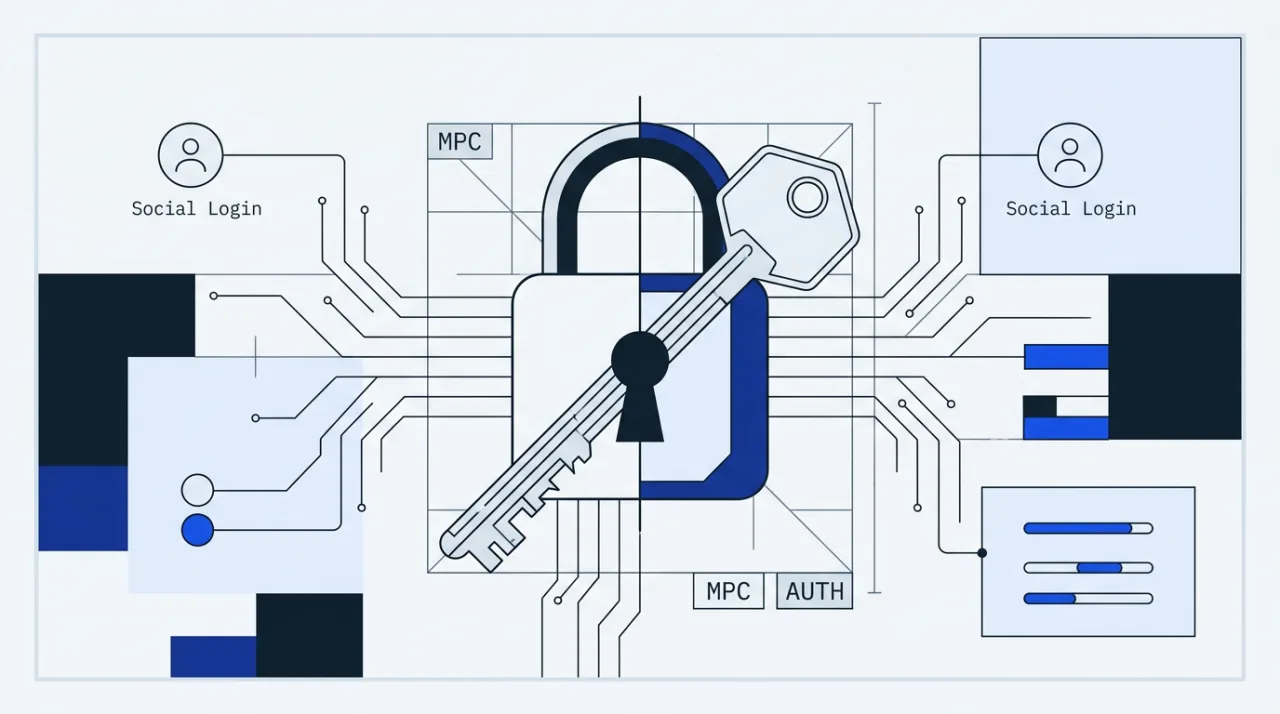
Web3Auth security review shows the provider addressed an infrastructure vulnerability that exposed private keys for embedded wallets created through Google and Apple logins. The issue primarily hit Keplr users who relied on those social flows for wallet creation. Wallets using recovery phrases or hardware devices remained unaffected.
Keplr co-founder Josh Lee confirmed the problem originated at Web3Auth. Reports of unauthorized transactions began reaching Keplr on November 7, 2026. Web3Auth paused its embedded-wallet service on November 6 after detecting the flaw.
Web3Auth Security Review of the November 2026 Incident
Web3Auth identified the infrastructure issue around 21:13 UTC on November 6 and halted the service. Keplr suspended Google and Apple logins the following day. The flaw allowed access to certain embedded wallets powered by Web3Auth’s social-login mechanism on Cosmos-based chains and some EVM networks.
On-chain analysis from Bitquery flagged roughly $6.01 million moved from more than 44,000 wallets starting around November 1. Web3Auth disputed portions of this figure, stating many movements were its own protective actions. Later estimates from Bitquery and GoPlus placed attacker-controlled losses near $1.82 million and at least $1 million respectively. Approximately 20 percent of Keplr’s Google and Apple login accounts faced potential exposure.
Web3Auth initiated white-hat recovery operations by moving assets from vulnerable wallets into verified addresses using the same technical path available to the attacker. By November 8 the company published a list of 12 or more recovery addresses holding about $5.6 million, including 2.49 million ATOM. A lookup tool at web3auth.io/keplr-recovery/ became available by November 18 for users to check individual wallet status.
Recovery Steps, Service Status, and User Guidance
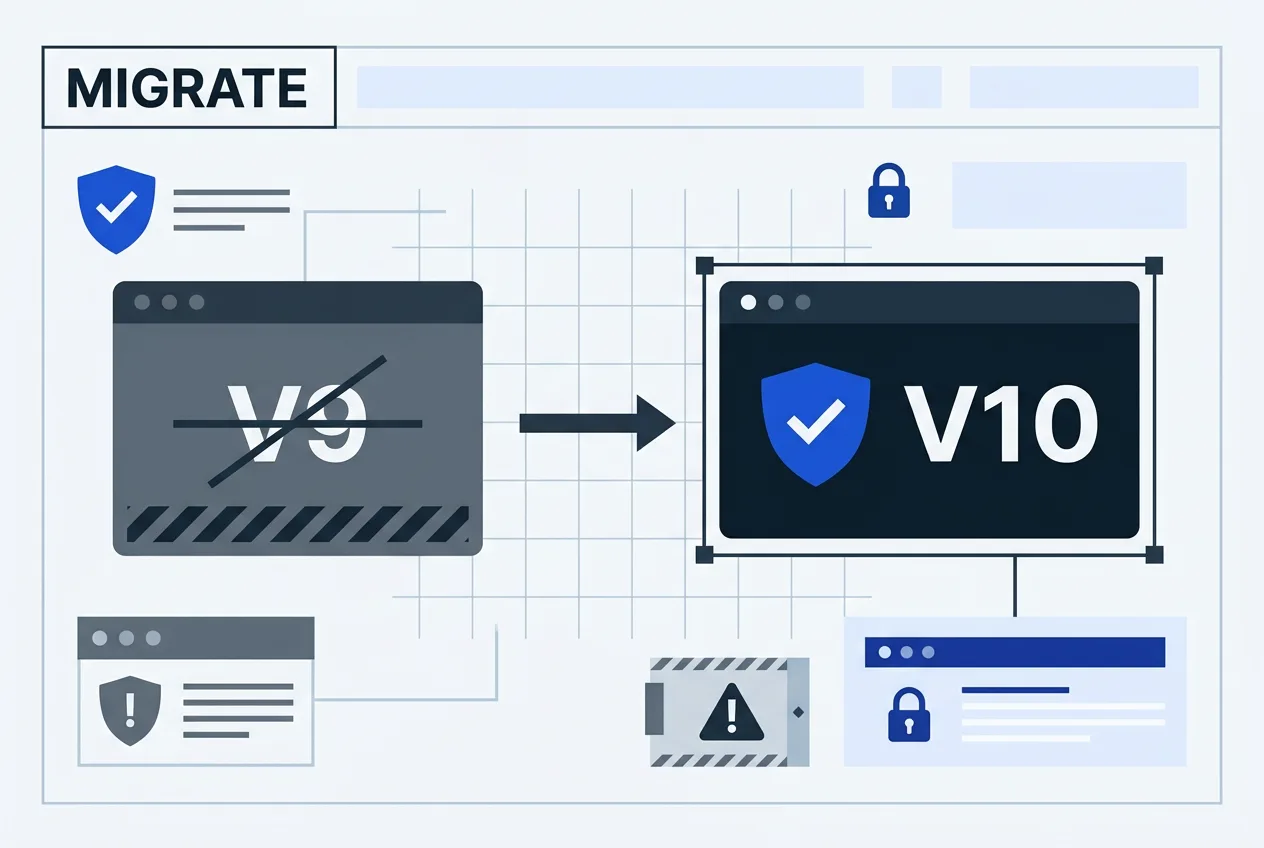
Web3Auth restored login access for existing users via its Plug & Play and SFA SDKs under restrictions. SDK versions 9 and older were deprecated, with migration required to versions 10 or 11. New registrations on legacy networks remained restricted pending full migration targeted for November 23, 2026. Sapphire networks supported enabling through the latest SDKs. No impact was reported for MetaMask or Trust Wallet users.
Both Web3Auth and Keplr advised users against new deposits or re-imports into affected wallets. They recommended moving liquid assets to recovery-phrase or hardware wallets. Official statements warned against unofficial recovery offers and directed users to monitor only verified channels such as @Web3Auth and Keplr accounts.
Web3Auth stated it would announce an asset-return and claims process in the coming days after November 18. Funds held in the published recovery addresses were described as secure while coordination with Keplr continued. As of November 19 no final confirmed total for losses or compensation details had been released.
| Date | Event | Status |
|---|---|---|
| Nov 1 | Initial unauthorized movements detected | Attacker activity begins |
| Nov 6 | Web3Auth pauses embedded-wallet service | White-hat recoveries start |
| Nov 7 | Keplr suspends social logins | Public reports surface |
| Nov 8 | Recovery addresses published | $5.6M secured |
| Nov 18 | Lookup tool launched | User status checks available |
Background and Current Trust Assessment
Web3Auth, owned by Consensys and also branded as MetaMask Embedded Wallets, supplies social-login and MPC-based embedded wallets to applications including Keplr. The November incident highlighted risks associated with third-party key management for wallets without seed phrases. No public technical root-cause report had been issued by November 19.
Service access for existing users returned with limitations, and both companies continue to coordinate asset returns. Users should verify any recovery claims against the official lookup site and published addresses. Ongoing monitoring of official updates remains the clearest path to confirming final resolution steps.
Frequently asked questions
What caused the November 2026 Web3Auth key exposure?
An infrastructure vulnerability in Web3Auth’s embedded-wallet service allowed private key access for certain Google and Apple social-login wallets used with Keplr. The flaw did not affect wallets created with recovery phrases or hardware devices.
How much was lost in the Keplr Web3Auth incident?
On-chain estimates placed attacker-controlled losses between $1 million and $1.82 million. Web3Auth moved approximately $5.6 million into verified recovery addresses through protective transfers.
Is Web3Auth safe to use after the incident?
Login access returned for existing users under restrictions, and migration to newer SDK versions is required. Users are advised to monitor official channels and avoid new deposits until full claims processes are announced.
What should Keplr users do with affected wallets?
Move liquid assets to recovery-phrase or hardware wallets. Check status on the official recovery lookup site and follow only verified announcements from Web3Auth and Keplr.
TrustScope
Comments 5