
WorkOS Security Review After October 2026 AI-Assisted Sales App Breach
In short
WorkOS detected unauthorized access to an internal sales tool on October 30, 2026. The incident affected customer contact data but left the core platform untouched.
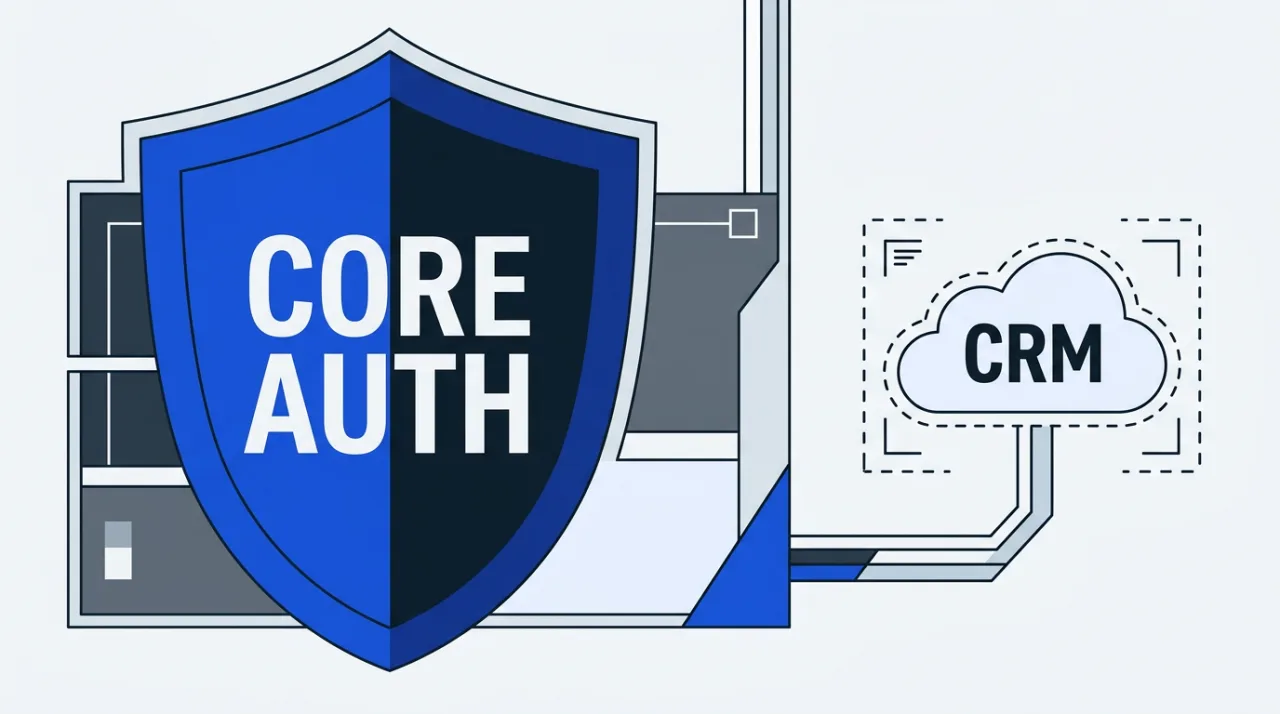
WorkOS reported an unauthorized access incident on October 30, 2026, that targeted an internal customer-facing sales and support application. The company published a public bulletin on November 2 confirming the event and outlining initial containment steps. No evidence indicates that production authentication services or customer platform data were reached during the intrusion.
Scope and Method of the October 2026 Incident
The breach remained confined to an internal GTM and CRM tool used by sales and support teams. Exposed information included business contact details such as names, emails, phone numbers, job titles, and company affiliations. Additional items comprised account histories, summaries of sales and support calls, excerpts from customer Slack threads, and operational metadata on product usage and directory health.
Attackers employed an AI-assisted offensive security framework identified by CEO Michael Grinich as ARTEX, an autonomous agent designed for reconnaissance and exploitation. Researchers at CrowdStrike and Microsoft have linked similar tools to other campaigns in 2026. WorkOS stated that external access to the affected tool was disabled immediately after detection.
The company retained an independent digital forensics firm and initiated a broader review of internal access controls. Affected customers will receive direct notifications once the full scope is verified. The bulletin also warned users about potential follow-on phishing attempts that could leverage the exposed contact information.
- Business contact details (names, emails, phones, titles, affiliations)
- Account and relationship histories
- Summaries and excerpts from sales/support calls and Slack conversations
- Operational metadata including product usage and directory health metrics
WorkOS Security Posture and Prior Incidents
WorkOS maintains SOC 2 Type 2 certification, GDPR and CCPA compliance programs, and conducts annual penetration tests with external auditors. These controls apply to its core authentication and identity infrastructure, which provides SSO and user management services to other organizations.
In September 2026, independent researchers disclosed four SAML SSO bypass vulnerabilities. WorkOS issued fixes by September 27 and October 1. No evidence of in-the-wild exploitation emerged from those issues. The October 30 incident represents the first reported breach involving internal sales systems.
Investigation remains active as of November 3, 2026. Further updates are expected once the forensics team completes its analysis. WorkOS has not released figures on the number of affected organizations.
Practical Steps for Current and Prospective Users
Organizations that use WorkOS for authentication should monitor official bulletins for direct notifications. Enabling multi-factor authentication on any linked accounts and reviewing recent access logs can reduce secondary risks from exposed contact data.
Teams should also brief employees on heightened phishing awareness, particularly messages referencing recent support interactions. Because the core platform services showed no signs of compromise, production authentication flows continued without interruption.
Prospective customers evaluating WorkOS can review the company’s public security page and the November 2 bulletin for the latest statements. Ongoing transparency updates will help clarify whether additional controls are implemented in response to the ARTEX-style attack vector.
Frequently asked questions
What data was exposed in the WorkOS incident?
The breach exposed business contact details, account histories, call summaries, Slack excerpts, and operational metadata from an internal sales tool. Core platform authentication data remained unaffected.
Did the breach reach WorkOS production services?
WorkOS stated there is no evidence that the main application or production services were accessed. Containment focused on the internal CRM and support system.
How did the attackers gain access?
An AI-assisted framework called ARTEX performed automated reconnaissance and exploitation. WorkOS disabled external access to the targeted tool once the activity was identified.
What should WorkOS customers do now?
Monitor official notifications, enable MFA on connected accounts, and increase vigilance against phishing that uses exposed contact information. The core service continued operating normally.
TrustScope
Comments
No comments yet. Be the first!