
Chainalysis Security Review After October 2026 Offensive Agentic Techniques Breach
In short
Chainalysis disclosed unauthorized access to limited customer contact data in October 2026 through AI-assisted techniques. The incident left core investigation tools and passwords untouched.
Chainalysis reported a cybersecurity incident on October 30, 2026, in which an external actor used offensive agentic techniques to access internal systems earlier that month. The company confirmed that only non-sensitive customer identifiers were reached, while investigation content, passwords, and session tokens remained protected.
The breach affects users evaluating whether Chainalysis remains safe for blockchain analytics work. Investigation details continue to emerge as the firm works with external experts.
Chainalysis Data Breach: What Investigators Have Confirmed
Chainalysis stated that the intruder obtained user IDs, full names, email addresses, and organization role labels tied to provisioned platform accounts. No evidence indicates that transaction graphs, case notes, query results, or clear-text credentials were viewed or copied.
The company has begun notifying affected organizations and will issue per-organization record breakdowns once the full scope is verified. Detection timeline inside October and the precise vulnerabilities exploited remain undisclosed while the investigation proceeds.
Chainalysis emphasized that the event is unrelated to the separate $6.4 billion Binance-related theft reported on October 29. It also noted an industry-wide increase in AI-driven attacks and recommended that all users confirm two-factor authentication is active and monitor for unexpected password-reset requests.
Accessed Data Versus Protected Systems
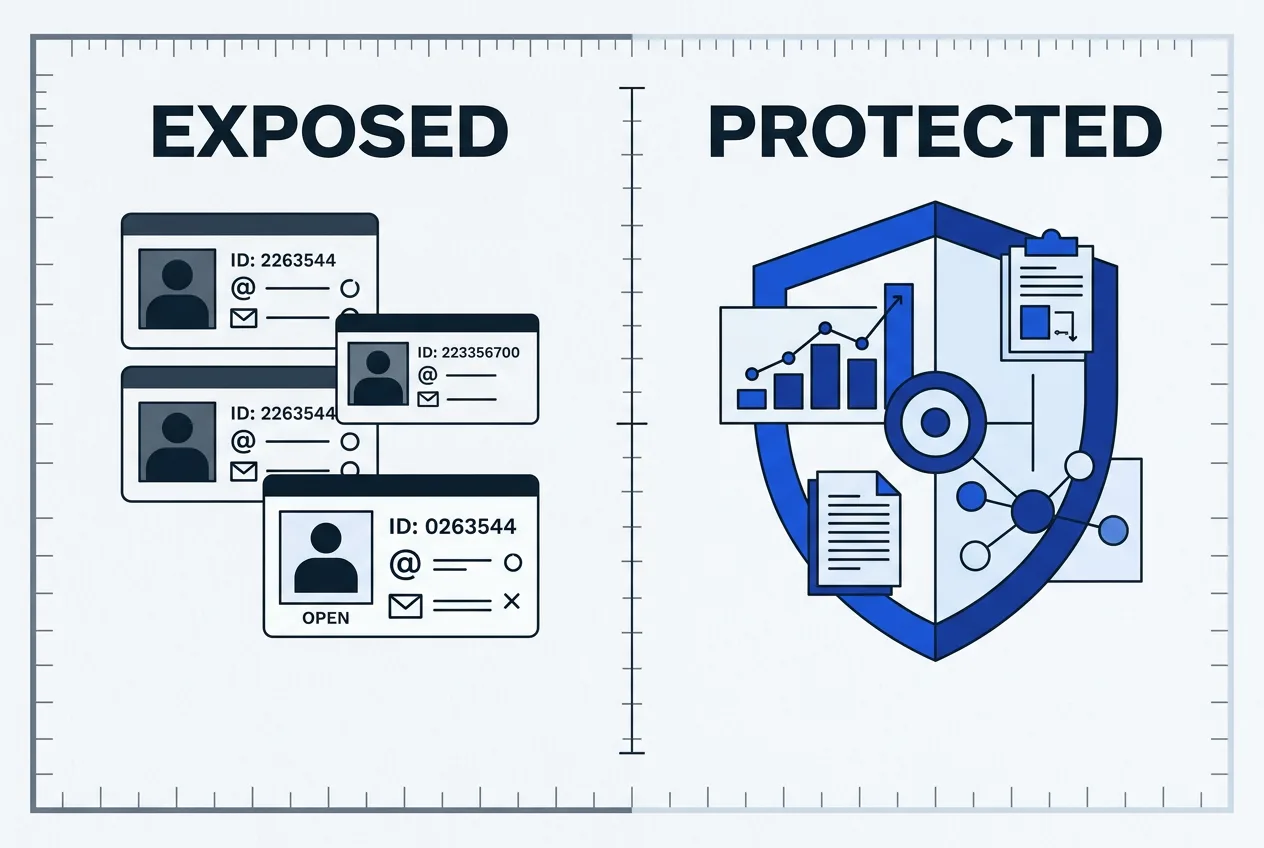
The distinction between exposed and untouched information shapes how organizations should respond. The table below summarizes the current findings released by Chainalysis.
| Data Category | Status | Details |
|---|---|---|
| User IDs, names, emails, roles | Accessed | Confirmed for provisioned platform users |
| Investigation graphs and notes | Not accessed | No evidence of exposure |
| Transaction or query results | Not accessed | Remained isolated |
| Passwords or MFA secrets | Not accessed | No clear-text credentials reached |
| User session tokens | Not accessed | No session hijacking reported |
These boundaries limit immediate operational risk for most clients, yet the exposure of contact details still creates phishing and social-engineering vectors. Organizations that rely on Chainalysis for regulatory reporting should verify whether their internal contact lists have been updated to reduce targeted attacks.
Company Response and User Recommendations
Chainalysis engaged third-party cybersecurity firms, began patching identified gaps, and expanded its security review with large language models to detect additional AI-assisted attack paths. The firm described the effort as a whole-of-company initiative aimed at countering the rising use of agentic techniques across the threat landscape.
Users can take several concrete steps while the investigation continues. First, confirm that two-factor authentication is enabled on every Chainalysis account. Second, watch email inboxes and spam filters for any password-reset or authentication prompts that were not initiated internally. Third, review recent login activity within the platform for unrecognized locations or times.
Finally, organizations should request the forthcoming per-organization data breakdown directly from Chainalysis support to determine exact exposure volume. Until those details arrive, treat any unsolicited messages referencing Chainalysis user data as potential phishing attempts and route them through established security channels.
Frequently asked questions
Is Chainalysis safe after the October 2026 incident?
Chainalysis reports that core investigation data and credentials stayed protected. Organizations should still verify two-factor authentication and monitor for phishing attempts while the full investigation concludes.
What information did the Chainalysis data breach expose?
Only user IDs, names, email addresses, and role labels for provisioned accounts were reached. Transaction records, case notes, and passwords remained inaccessible according to the October 30 disclosure.
How should users respond to the Chainalysis security incident?
Enable or confirm two-factor authentication, watch for unexpected authentication prompts, and request organization-specific exposure details once Chainalysis releases them. No immediate password changes appear necessary based on current findings.
Does the breach affect Chainalysis investigation tools?
No evidence shows access to graphs, notes, or query results. The company continues to investigate and will provide further updates as the scope is clarified.
TrustScope
Comments 1