Search results for «Security Compliance»
-
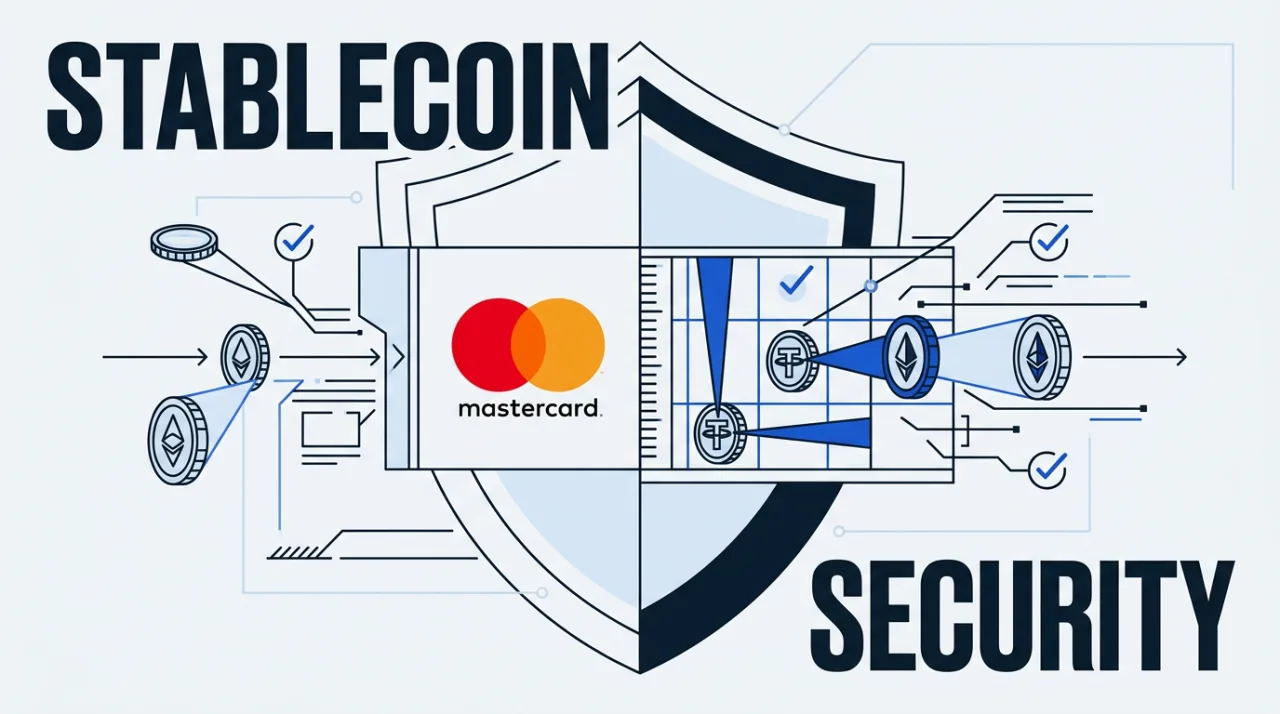
Mastercard Stablecoin Security review: New Risk Intelligence Tool for Banks
Mastercard launched Stablecoin Security on October 19, 2026, as a platform-agnostic API that screens stablecoin transactions for fraud and sanctions risks before on-chain movement.
-
PFCT review: P2P Lender Security After 2026 Data Breaches
PFCT and Mouda suffered separate cyberattacks on September 27, 2026, exposing personal data of over 19,000 individuals through server vulnerabilities.
-
Master of Malt Security Review: BigCommerce App Key Breach Exposed Customer Data
Master of Malt confirmed a customer data exposure in September 2026 after a compromised BigCommerce app key allowed access to names, emails, and addresses for roughly four days.
-
Brevo Alternatives Security Comparison for Email Marketing Platforms
Brevo provides EU hosting and GDPR tools but experienced SSO and supply-chain issues in September 2026. This guide examines alternatives for safer email marketing choices.
-
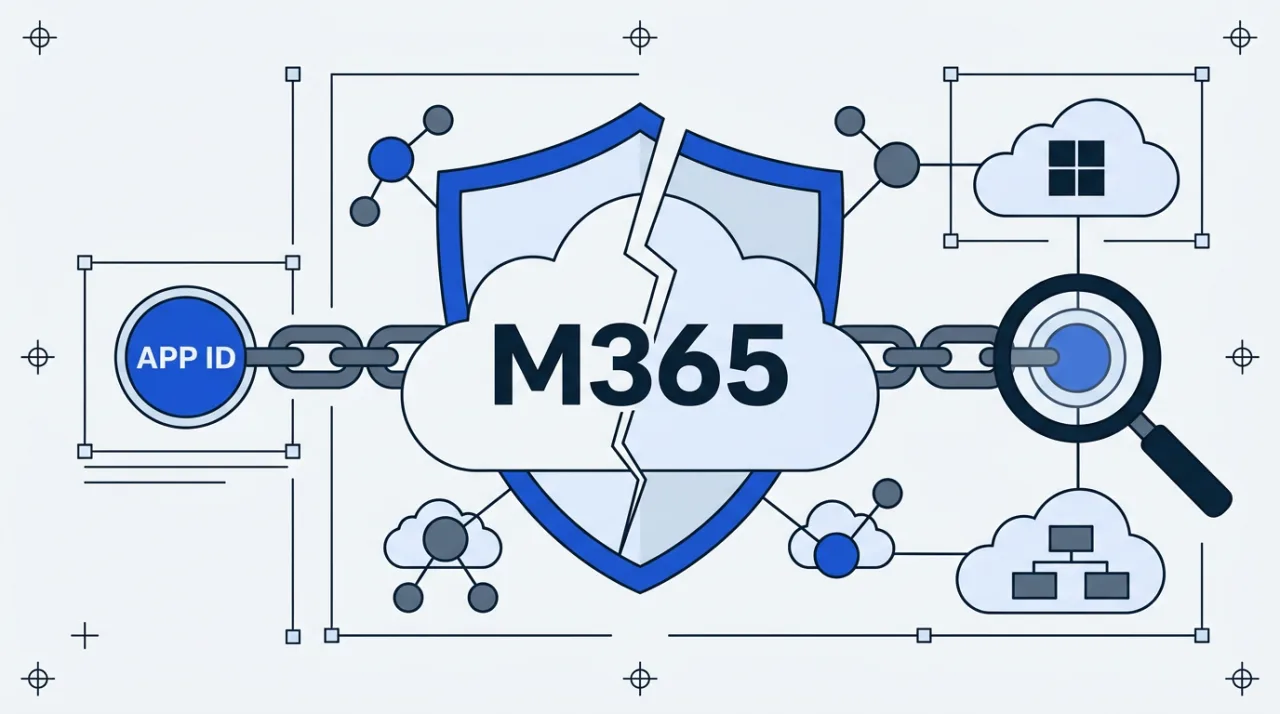
ConnectWise Security Review: Supply-Chain Incident Impact on Microsoft 365 Tenants
The October 2026 compromise of ConnectWise Cloud Backup credentials allowed unauthorized access to 162–173 Microsoft 365 tenants. This review details the timeline, permissions abused, and recommended actions.
-
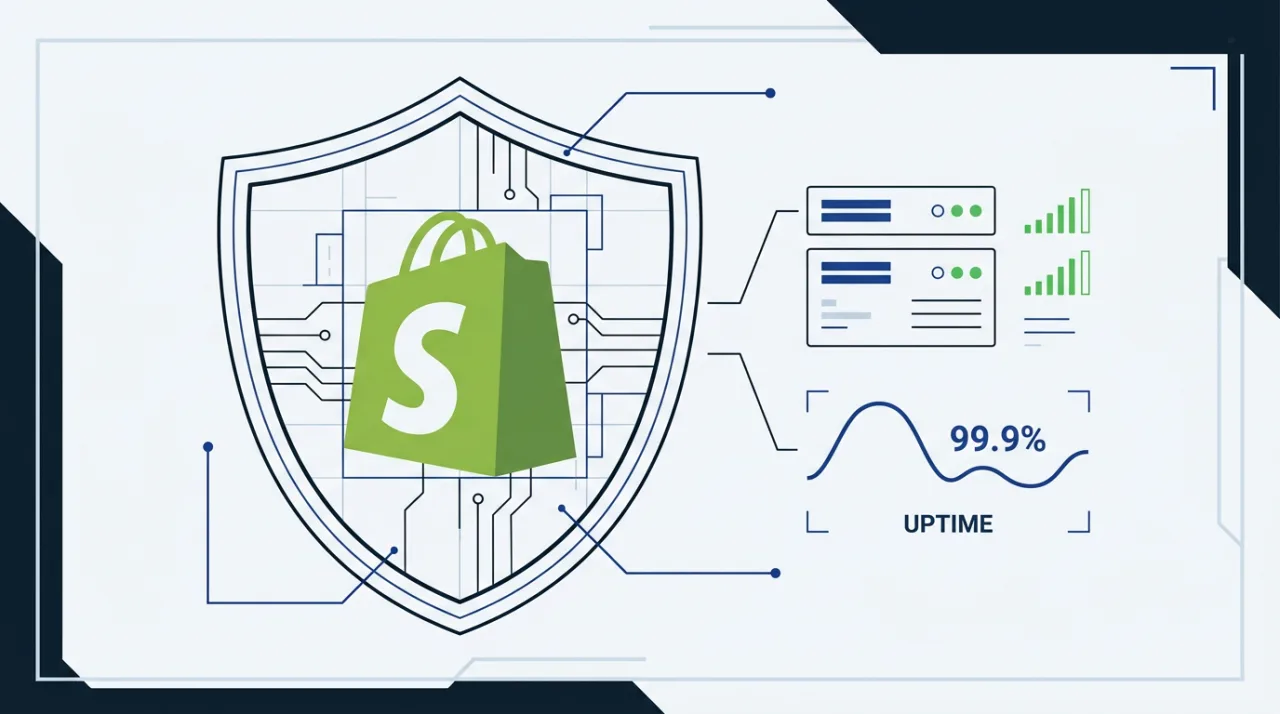
Shopify Hosting Review: Performance, Uptime and Data Protection for Online Stores
Shopify delivers managed hosting with 99.9% reported uptime and Level 1 PCI DSS compliance, though performance depends heavily on third-party apps.
-
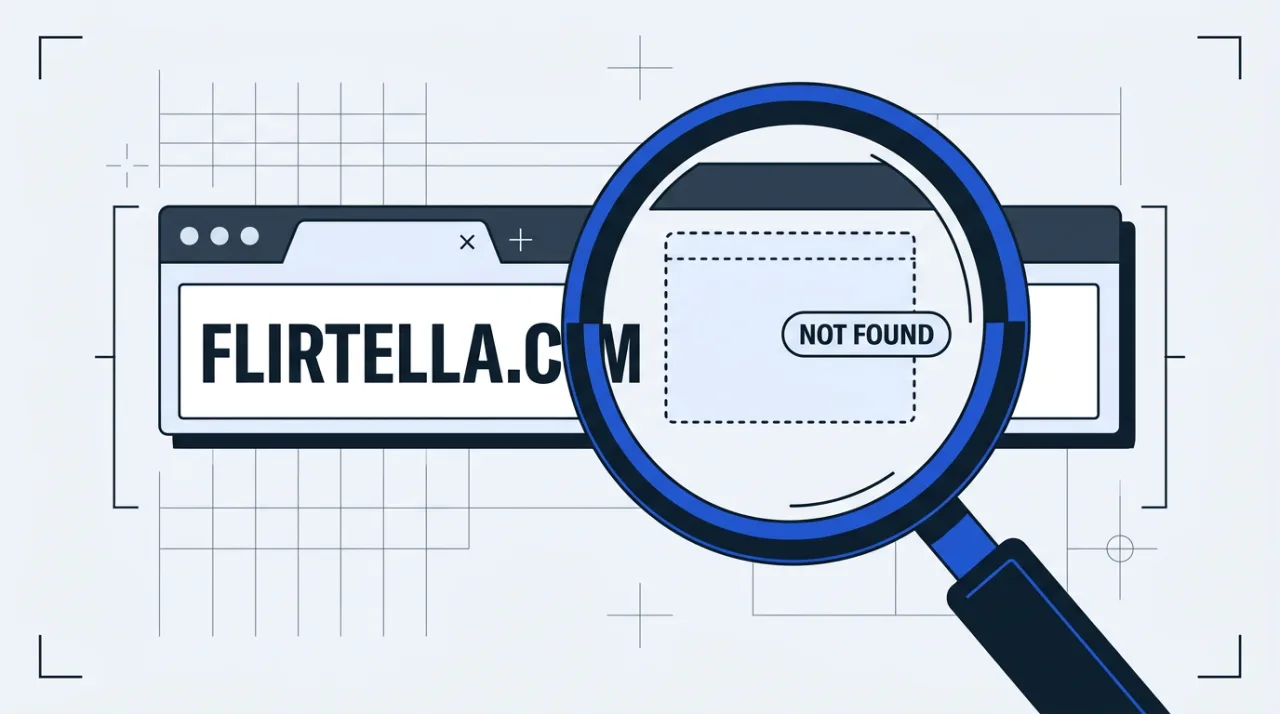
Flirtella.com Review: No Verifiable Platform Found in Current Searches
Extensive checks turned up no official site or documented service matching Flirtella.com descriptions of voice calls and photo features.
-
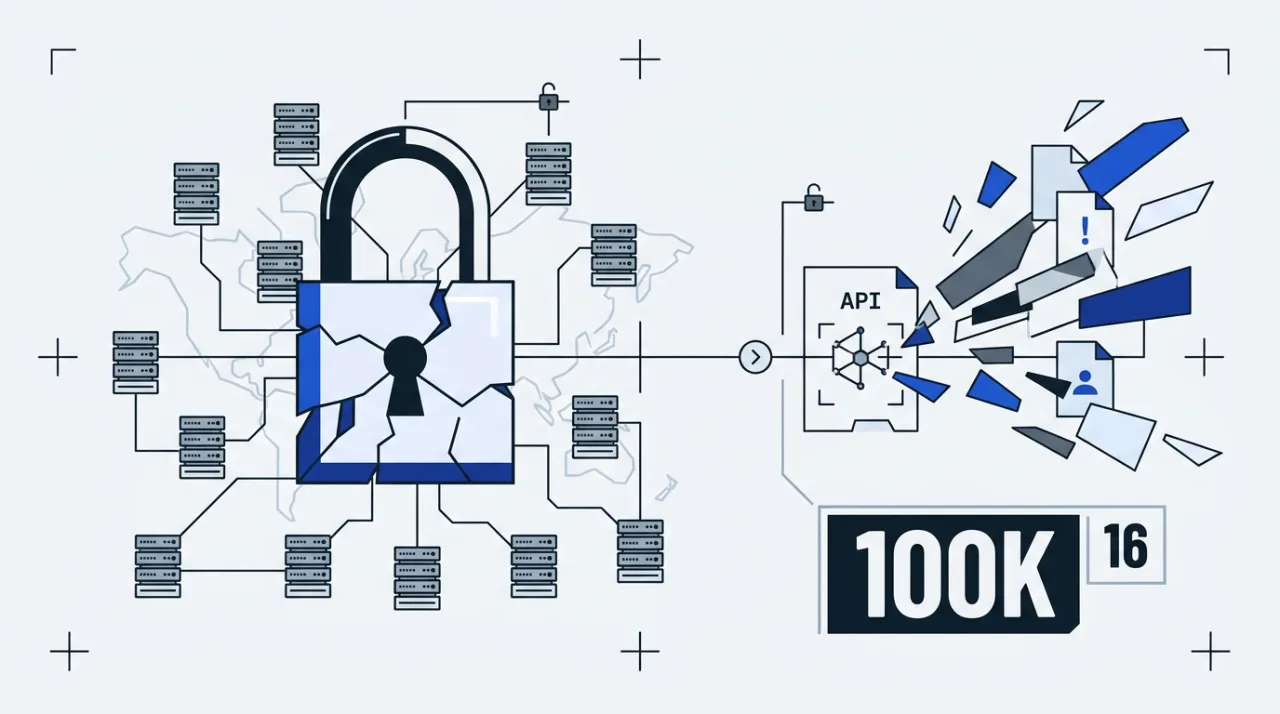
Fintech Data Breach Analysis: AI Attacks Expose 100,000 Records Across 16 South Korean Institutions
AI tools powered coordinated attacks on peripheral systems of 16 South Korean financial firms, exposing names, phone numbers and resident registration data for roughly 100,000 individuals.